[1]
[1]NASHVILLE (BP) – Tom Stolle had been praying daily for 10 years that God would stir Southern Baptists to heightened passion for disability ministries. That’s when SBC Executive Committee President Jeff Iorg called and asked Stolle to pray about chairing the Disability Ministry Task Force.
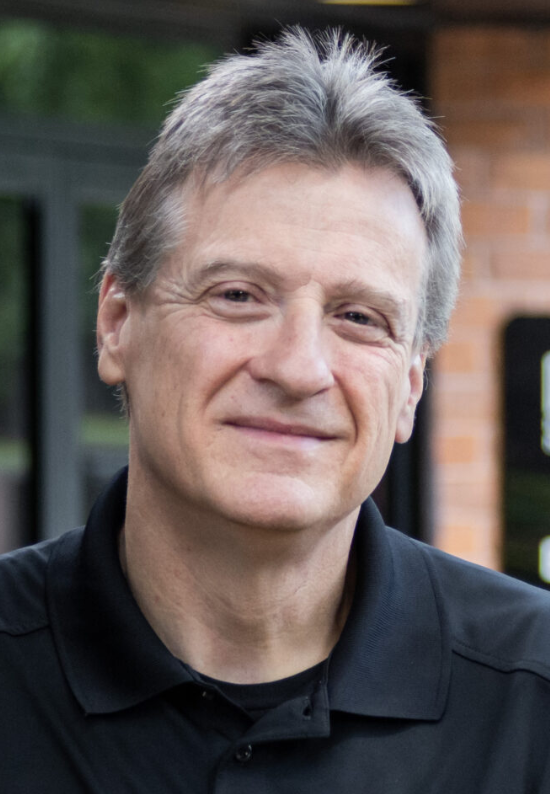
“I said no. I don’t need to pray about it because I’ve been praying about it every day for 10 years,” said Stolle, executive director of the Baptist Convention of Maryland/Delaware and the father of Jimmy, a 24-year-old son with severe autism. “Of course I’ll do it.”
After nearly a year of work, Stolle’s 12-member task force is prepared to present a report [2] at the SBC Annual meeting in Orlando this month. Appointed by the Executive Committee, the task force will present its findings as part of the EC’s report. Messengers will be asked to adopt the report and add Disability Ministry Sunday to the SBC Calendar of Activities each July, beginning in 2027.
The report includes requests to SBC entities, state Baptist conventions and churches in the quest to multiply evangelism and discipleship among individuals with disabilities.
The task force is “just so, so passionate about” the report, Stolle said. “The church is good at being kind. But families are looking for something in addition to kindness. What they really need are things like accessibility, not being excluded from serving, not being isolated, not being treated as a ministry opportunity instead of a person.”
The report aims to “bridge from kindness to inclusion,” he said.
Stolle and other advocates for disability ministry say the task force evidences growing momentum among Southern Baptists for emphasis on ministry to disabled people and their families.
Among the report’s nonbinding requests:
- That Lifeway “add a disability ministry specialist to the team” and “increase the disability ministry resources and training material offered”;
- That seminaries “offer certificate programs, classes, and degrees in disability ministry”;
- That the North American Mission Board “develop and provide evangelism tools to reach people with intellectual and developmental disabilities” and “provide special-needs ministry resources tailored to church plants and replants”;
- That the International Mission Board would “review and assess ‘Team Member Qualifications and Preclusions,’ specifically the current exclusion of families that have a member diagnosed with autism”; and
- That the Ethics & Religious Liberty Commission “produce resources to help churches navigate disability-related ethical issues, including gene editing, physician-assisted suicide, and the high correlation between autism and transgender identification.”
State conventions are requested by the report to establish disability ministry consultants and catalysts, partner with other state conventions to minister to the disability community and offer grants for churches who want to expand special-needs ministries.
‘It has to start somewhere’
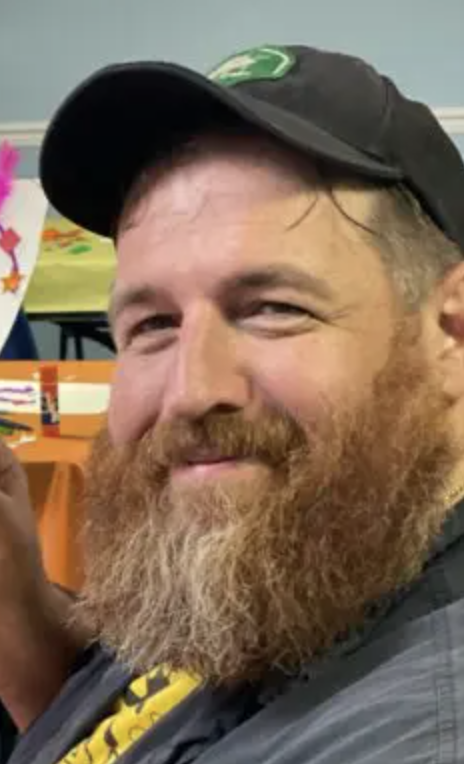
The journey to focusing on disability ministry at the SBC Annual Meeting began two years ago. At the 2024 Annual Meeting in Indianapolis, New Jersey pastor Benjamin Hankin made a motion that the EC create a task force to study how to best minister to the disability community. His motion was referred to the EC, which declined to create a task force, instead encouraging “Southern Baptists to expand their efforts by using the resources already available,” including resources at SBC.net [3].
Hankin, pastor of LifeHouse Salem County Church in Pennsville, N.J., which ministers [4] to people with disabilities, told Baptist Press he was “disappointed” and “saddened” that the EC did not opt to take more action in 2024. At the time, SBC.net resources for disability ministry were minimal, he said, and connecting with disability ministry specialists was challenging.
Undeterred, Hankin made a similar motion at the 2025 SBC Annual Meeting in Dallas. Two other messenger motions also addressed individuals with disabilities. Hankin’s motion noted the “1.3 billion individuals with special needs and disabilities in the U.S. and around the world” before requesting that the EC create a study group.
As with his motion the previous year, this one was referred to the EC. This time, however, the EC opted to act on it.
“If it didn’t go through, I would have stood up at a microphone again,” Hankin said. “Praise the Lord, I don’t have to do that scary experience” anymore.
Disability advocates hope the task force helps Southern Baptists bridge the gap between churches’ perception of their preparedness for people with disabilities and the reality. Ninety-nine percent of U.S. Protestant pastors believe someone with a disability would feel welcome at their church, according to a 2020 Lifeway Research study [5]. Yet a separate survey [6] found just 43 percent of parents who have children with disabilities described their religious community as supportive.
But will one report result in meaningful progress for disability ministry?
“It has to start somewhere,” Hankin said. Disabled people “need to be reminded they are seen and loved and cared for and that they are not relegated to the shadows.”
Southern Baptists already have taken steps toward enhanced disability ministry. Lifeway publishes Sunday School material for special needs ministry. Southeastern Baptist Theological Seminary is developing disability ministry training [7]. At least three state conventions have staff members or independent contractors to assist churches with disability ministry.
‘Pointing them to Jesus’
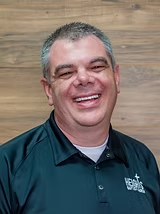
Such ministry has strong biblical grounding, said Lee Peoples, pastor of Heights Baptist Church in Alvin, Texas, and the father of James, an 18-year-old son with autism. Not only are people with disabilities created in God’s image, they also have their disabilities by God’s providence and have been given work to do.
Underscoring that God has a plan for each disabled person, Peoples cited Exodus 4:11, where God said to Moses, “Who makes a person mute or deaf, seeing or blind? Is it not I, the Lord?”
“One of the greatest teachers in my life has been my son,” said Peoples, whose wife Sandra serves on the Disability Ministry Task Force and as a disability ministry consultant for the Southern Baptists of Texas Convention. “I’m the follower of Christ I am because of James, because of the way he has ministered to me. He has taught me more about grace, more about mercy, more about patience, more about unconditional love than any book I have ever read or any sermon I will ever hear.”
The goal of ministering to disabled people is helping each individual understand the Gospel on their level, Peoples said, and providing opportunities for discipleship and community. Pastors should discuss disability ministry whenever they preach a Scripture passage featuring a disabled person, as when Jesus sought those with disabilities and healed them.
“It comes up more than what we know,” he said. “We see throughout the Old Testament and New Testament people with disabilities.”
Disability ministry advocates hope this year’s report in Orlando will spur Southern Baptist churches to take steps toward ministering better: preaching about disabilities, caring, “meeting practical needs and pointing them to Jesus,” as the report puts it.
Stolle points to his own church, High Tide Church in Dagsboro, Del., as an example. When the Stolles began attending, they sat in the back of worship services so Jimmy could take bathroom breaks when the gathering became overwhelming. Eventually, the people sitting around them became friends with Jimmy. Then some of them launched a ministry called Wonderfully Made, where they play with Jimmy and tell him about Jesus.
One Sunday Jimmy’s friend Les was standing in the lobby when the Stolles arrived. Jimmy tugged on Les’s shirt until he bent down. Then Jimmy kissed him on the cheek.
“Jimmy can’t talk, so Jimmy was basically telling him, ‘I love you. Thanks for being my friend,’” Stolle said. “Les started crying, and we knew at that point that Jimmy felt like this was home.”
 [8]
[8]