[1]
[1]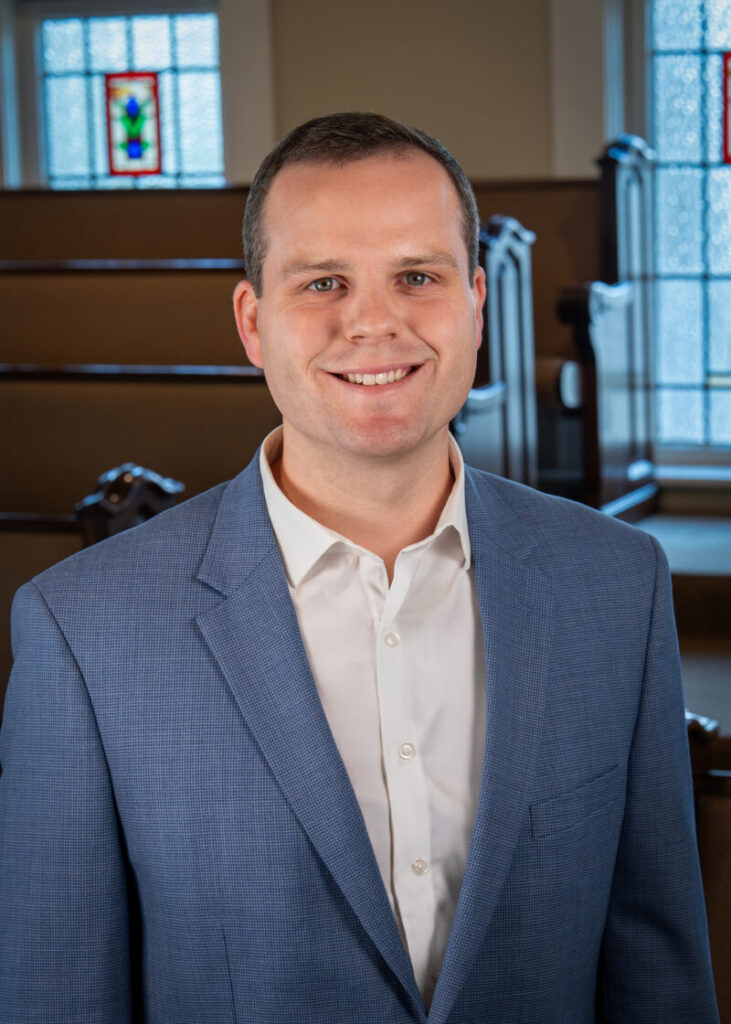
For a century, the Cooperative Program (CP) has been the primary means through which Southern Baptists have cooperated to advance our Great Commission works of international missions, church planting, theological education, and more. However, recent giving trends among Southern Baptist churches call into question the ability of the CP to have just as great an impact in the next 100 years.
Several factors may contribute to churches’ declining support for the Cooperative Program — many competing options for ministry giving, a perceived lack of organizational trust, a lack of awareness about the broad impact of the CP, and the common financial strains experienced by all individuals and churches.
How we will fund missions and ministries in the future is a crucial question for our time. Some may suggest we cast away the CP as a relic of a bygone era. Others may encourage us to reduce its importance and direct our primary giving toward our primary passions. But I would assert there are many reasons why Southern Baptists must recover the CP as our primary method for funding our cooperative missions and ministries. Here are five of those reasons:
1. The Cooperative Program fosters faith
Working together through our cooperative giving allows churches to maintain our autonomy while also releasing some authority. Churches get to decide whether and to what extent we cooperate, and then we release our control to trust the Holy Spirit’s work in the decisions we all make together to accomplish greater purposes. If my church kept back the 10.5 percent we currently send through the Cooperative Program, we could hire more staff, meet financial goals sooner, and fund more ministries. However, releasing those gifts allows us to have a greater Kingdom impact than we ever could alone!
2. The Cooperative Program impacts broadly
In our next fiscal year, and for the first time, 51 percent of national CP giving will go to the International Mission Board. I am celebrating this prioritization of international missions. Simultaneously, I am celebrating the many crucial ministries that are also funded by the CP. In Mississippi, that includes our Baptist Children’s Village, three private Christian universities, two camps, 29 campus ministries, and several church-support ministries. The CP is not needlessly bloated; it is amazingly broad!
3. The Cooperative Program supports sustainability
We have all heard reports of missionaries who were able to stay on the field and continue their work without concern for raising their own financial support because of the CP. Moreover, our six phenomenal seminaries and other ministries are able to pursue their mission with the peace of mind that their work will advance and their efforts will be sustained by Southern Baptists’ faithful and generous CP giving.
4. The Cooperative Program expands capacity
The first church I served as pastor was Tiplersville Baptist Church just south of the Tennessee line in Mississippi. We gave 7 percent of our undesignated revenue to the CP, which meant we sent less than $7,000 most years. However, we were able to plant churches, reach previously unengaged people groups, care for orphans, and much more because our capacity was expanded through the CP.
5. The Cooperative Program touches eternity
Giving through the CP allows Southern Baptists from across our nation to have a hand in thousands of ministries that are impacting eternity. We may never travel to the Middle East, Asia or Africa, but we have thousands of missionaries there supported by our gifts. We may not be able to give direct care to orphans, but our children’s homes and villages are loving the vulnerable with our support. We may never lead a soul to Christ in one of our major cities, but our NAMB church planters are there evangelizing with our help. The sacrificial gifts Southern Baptist churches and individuals send through the CP are touching eternity.
I hope that positive conversations about the future of the CP will increase in the days ahead. I pray we will do the difficult work of recovering the CP, retraining our cooperative giving muscles, and rekindling our character of cooperation for the advancement of God’s Kingdom and for the glory of His name in our neighborhoods and among the nations.
Andrew Chesteen is pastor of First Baptist Church New Albany, Miss., and current president of the Mississippi Baptist Convention.
 [2]
[2]