 [1]
[1]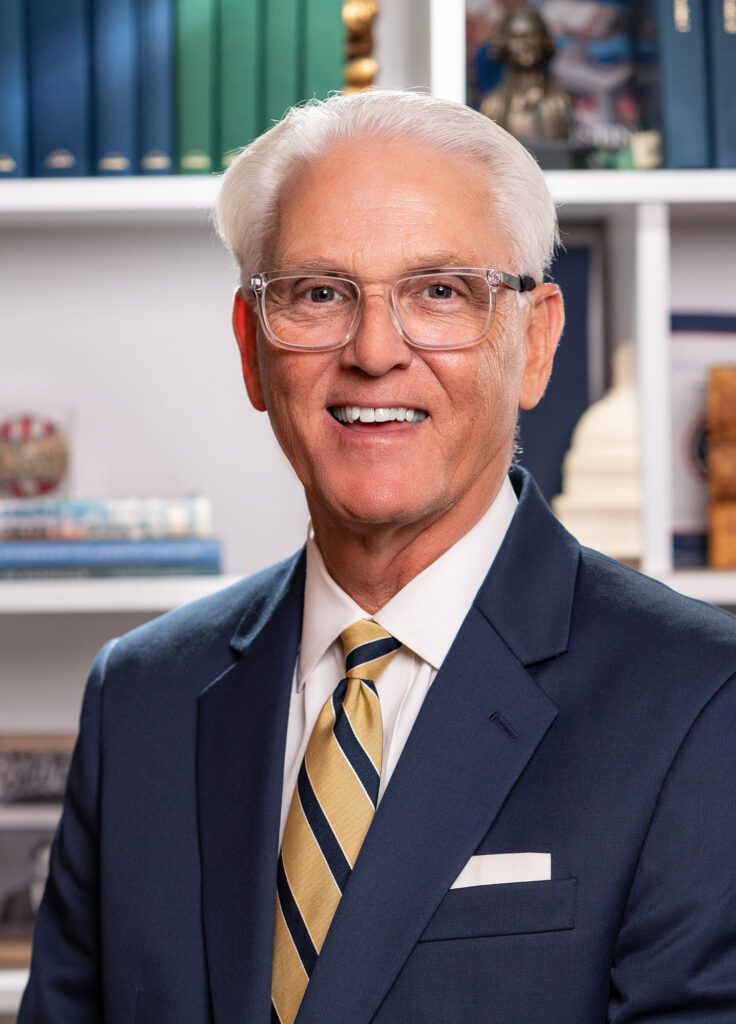
For the past 50 years, in some form or another, I have had the privilege of serving in ministry in the Southern Baptist Convention. While I now serve as interim president of the Ethics & Religious Liberty Commission, I have pastored churches in Alabama, Arkansas, Kentucky and Virginia, and most recently, retired as executive director of the South Carolina Baptist Convention.
The financial strain of retirement
While a privilege to bear, the demands on pastors are great. For most, ministry is not glamorous. Roughly half of Southern Baptist churches consist of fewer than 50 people [2] in weekly attendance. Thus, a growing segment of pastors are bivocational to lessen the financial strain on their churches. Very few churches are able to offer medical insurance [3] to their pastor as a benefit. The Lord greatly blesses us by supplying all that we need, but we know that many pastors may not have the financial security they had anticipated or hoped for heading toward retirement.
As some may recall when first entering ministry, within the first two years of receiving payment for ministry work, pastors must permanently decide if they want to exempt any ministry income from Social Security. For a variety of reasons, often convictional, a pastor may opt-out of Social Security withholdings early on in his career. Yet, throughout years of ministry, pastors cannot anticipate the journey God has planned personally, ministerially and financially. A significant decision made years earlier may not seem so wise anymore given the present context. And most often the ones who feel the impact are the families of pastors.
Pastors make personal and familial sacrifices for the sake of Christ and his Church. And while we do it for the joy of the Lord and in faithfulness to our calling, the effects for pastors and families are real. The enemy uses the demands of ministry to create hardships in families and marriages. Sadly, for many pastors, or their widows, opting out of social security has inadvertently contributed to that hardship.
The Clergy Act offers a second chance
 [4]
[4]The Clergy Act, introduced by Rep. Vince Fong (R-CA-20) and Sen. Katie Britt (R-AL) is a bipartisan bill that offers a second chance for clergy members to revoke their previous Social Security exemption. If signed into law, the bill would open a one-time re-enrollment window for two years where clergy could opt back in and start contributing to Social Security. Then, after meeting withdrawal eligibility, including 10 years of contributions for full retired-workers benefits, they can draw Social Security benefits proportional with their contributions.
Remarkably, the Clergy Act passed out of the House Ways & Means Committee unanimously, 40-0, back in December. The ERLC has endorsed this legislation and calls on Congress to swiftly put this bill up for a vote.
Congress should offer this second chance to our spiritual shepherds who have given tremendously to tell people about their second chance at a life reconciled to Christ. Ministry is sacrificial, rightly reflecting the One who gave His Son as a sacrifice for us. Yet, to honor those who do so much for our communities, and in turn, our country, our government should remove additional strain and make a way for our pastors and their families to comfortably retire with dignity.
Gary Hollingsworth serves as the ERLC interim president. Prior to this role, Dr. Hollingsworth served as the executive director of the South Carolina Baptist Convention from 2016–2023. He has also served as a pastor in Kentucky, Virginia, Alabama, and Arkansas.
 [5]
[5]Related posts:
 DOJ closes investigation of SBC
  North Carolina pastor arrested on sexual exploitation charges
  SBC DIGEST: Litton to address UM graduation; Ohio Baptists to sell Seneca Lake facility
  Opinions mixed on GCR’s impact with young Baptist leaders
  Salt Lake City construction plans force proposed change for 2027 SBC Annual Meeting
  Victor Chayasirisobhon to be nominated for SBC first vice president
  LSU BCM building damaged in on-campus shooting
  YEAR IN REVIEW: Top 12 most-read stories in 2024