
When a guest pulls into the parking lot of your church this Sunday morning, what do they experience first – and what does that experience teach them about Jesus?
For many who walk through our doors, the first spiritual sermon they hear isn’t from the pulpit. It’s from the people they meet, the way they’re guided, and whether they feel seen or simply counted. In a culture where more than 40 percent of self-identified Christians haven’t attended church in the past six months and only about one-third attend weekly, church involvement and engagement matter more than ever — not just for numbers, but for discipleship.
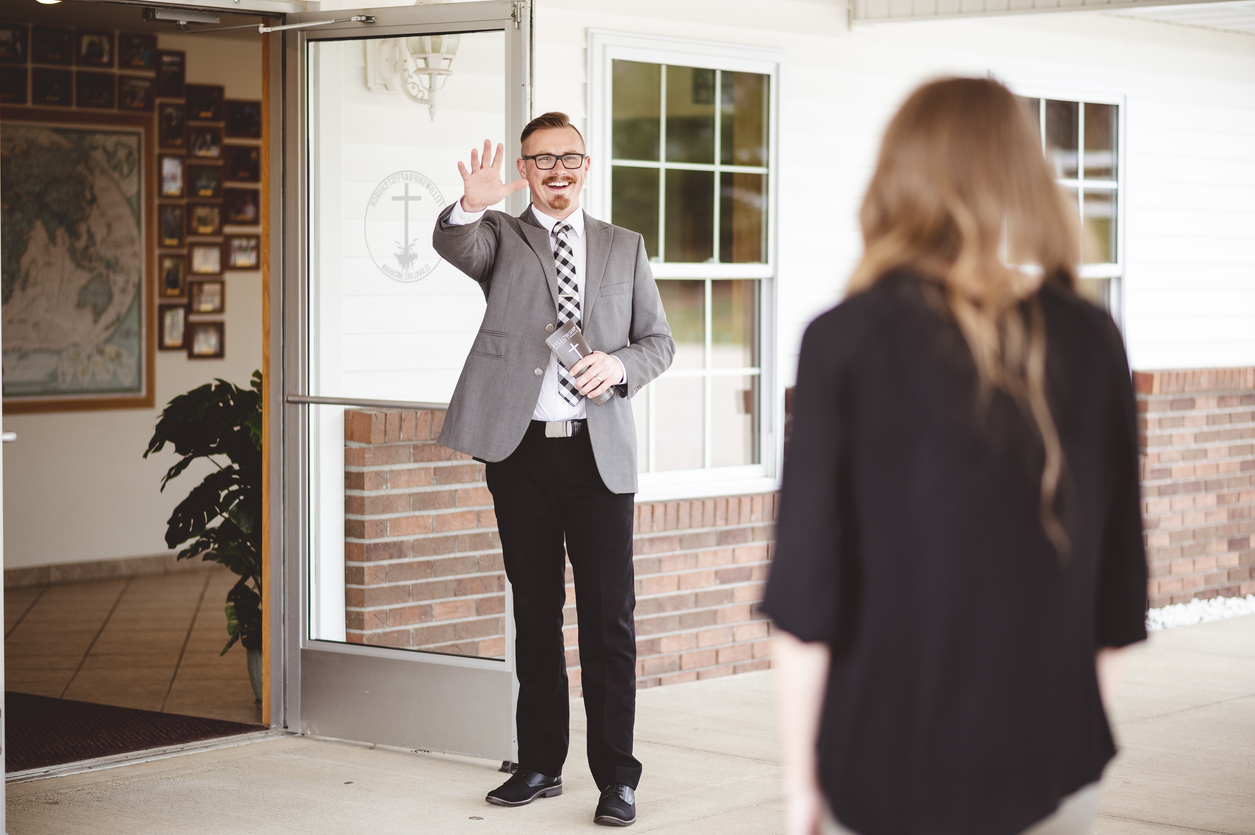
Every churchgoer and every guest has a story. They carry joys, wounds, doubts and hopes that may be invisible to us, but are all a part of what God is doing. Guest services is not simply friendly logistics and holding doors with a smile; it is the first point of relational ministry – where the Gospel is lived out as welcome, warmth and belonging.
What’s the real problem?
Most churches invest time, budget dollars and manpower throughout the week in improving worship quality, preaching and programming – and these are valuable. But if someone walks in once and feels unseen, the music quality and sermon can only take a person so far. If guests never experience true connection in our churches, attendance becomes transactional rather than transformational. I speak with pastors all the time, carrying the same burden of seeing people attend week after week without ever becoming fully engaged followers of Jesus, integrated into the mission and community of the church.
This goes beyond repertoire — it is discipleship infrastructure.

The biblical foundation
In Acts 2, the early church wasn’t just a gathering of attendees. We don’t read of Jesus telling everyone to come to the next outreach event at the Tabernacle or an incredible worship band in a modern service. The church was focused on being a community devoted to teaching, fellowship, breaking bread and prayer. Their connection wasn’t incidental – it was intentional. They didn’t merely meet; they belonged. That sense of belonging invites people into salvation as verse 47 reads, “The Lord added to their number day by day those who were being saved.” That’s what our guest services can reflect: not a welcome mat, but a Gospel welcome.
What research tells us
Lifeway Research reports that more than 99 percent of churches already do at least one thing to welcome guests, ranging from greeters to follow-up cards. However, guest service efforts often stop at “Hello.” The real challenge is ensuring first-time visitors feel valued, seen and connected — and move from being guests to being part of God’s family.
Since the pandemic, church attendance growth gives a mixed perspective of the Church: roughly half of U.S. churches report modest attendance increases, but momentum from attendance alone will not sustain discipleship or community formation without intentional engagement and clear next steps.
Three practical ways to reimagine guest services today

Here are three practices your church can adopt this week to move from hospitality to discipleship:
1. Train your team spiritually, not just logistically.
Guest volunteers need more than instructions – they need theology. I don’t mean a seminary degree or even a 12-week course on Wayne Grudem’s Systematic Theology. Volunteers should be trained to see that every smile, every name they remember, and every conversation they may have is an opportunity to invite someone into God’s story. Teach them why welcoming matters.
2. Create a clear next-step pathway for guests.
Churches need to make it easy for first-time visitors to take a next step. Not complex instructions. Not complicated systems. And certainly no Christianese. This might be a simple in-service welcome with clear next steps, a personal invitation to a small group, or a follow-up text or call. Clarity creates belonging; confusion creates disconnection.
3. Follow up with personal care, not just data collection.
Collecting names is not a ministry. Listening to someone’s story, asking how you can pray for them, and personally checking in are all forms of discipleship. In a day when everything is digital, take the time to write a handwritten note or make a phone call. That type of follow-up says: “We saw you. You matter.”
A new imagination for the Church
Church connection is more than just attending a weekly service. It is being known, welcomed, and integrated into the mission of Jesus with others who follow Him. When we reimagine guest services as the starting line of discipleship, we align our front doors, stage announcements, and next steps with the heart of the Gospel.
Imagine if your church parking lots, lobbies, and hallways felt like the church in Acts 2? What if strangers became neighbors, and neighbors became family? Sunday mornings are the front porch of invitation. Intentional guest services is the opening of the front door and welcoming them inside to sit at the table – the table of authenticity, community, and deep belonging.
Because the first sermon someone hears isn’t always what we preach. It’s how we welcome.
Works cited
Earls, Aaron. “Churches Aim to Welcome Guests by Different Methods.” Lifeway Research, 15 Apr. 2025, research.lifeway.com/2025/04/08/churches-aim-to-welcome-guests-by-different-methods.
Earls, Aaron. “Half of U.S. Churches Experiencing Attendance Growth Post-Pandemic.” The Roys Report, 18 Mar. 2025, julieroys.com/half-u-s-churches-experiencing-attendance-growth-post-pandemic.
Sullivan, Marissa Postell. “Why Church Engagement Matters for Spiritual Growth.” Lifeway Research, 4 Sept. 2025, research.lifeway.com/2025/09/04/why-church-engagement-matters-for-spiritual-growth.
Dustin Dozier is a teaching pastor and director of next steps at Upstate Church, a multi-site church based in Simpsonville, S.C., and author of “The Connected Church.” Learn more at dustindozier.com.