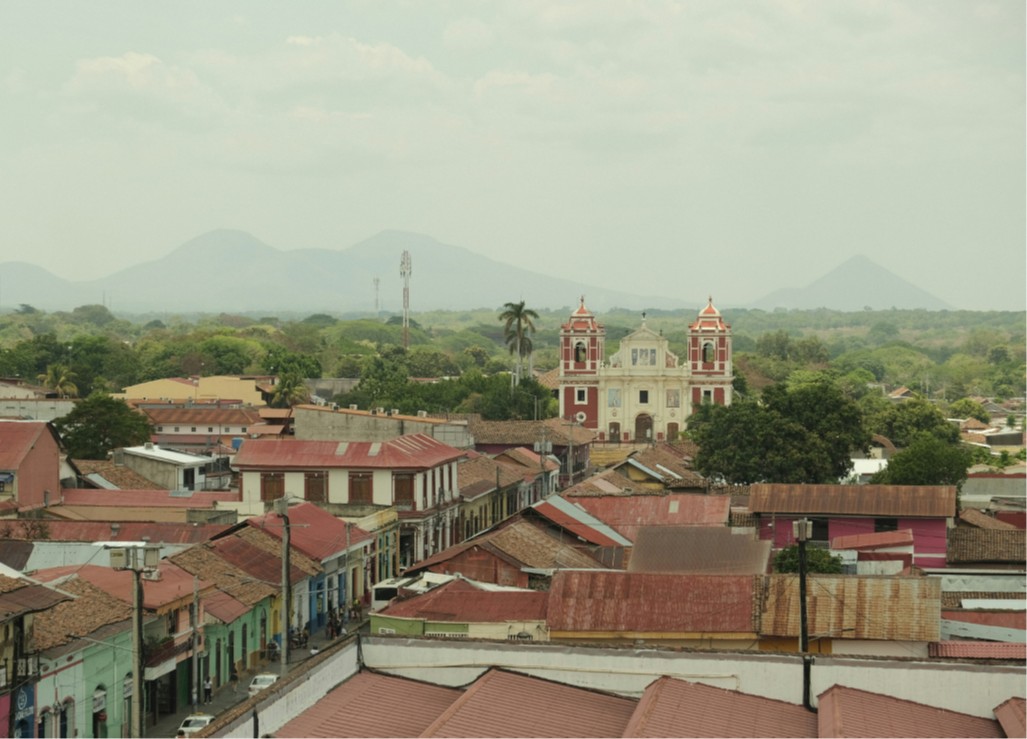

MANAGUA, Nicaragua (BP) – The Nicaraguan government stripped an entire Baptist denomination of its legal status, banned the entry of Bibles and revoked the citizenship of various religious leaders in escalating religious persecution, CSW said March 30 in a new report.
The Association of Independent Fundamentalist Baptists is one of 18 religiously affiliated organizations the government banned in 2025, including 15 Protestant and three Catholic groups, in addition to hundreds of civic entities, CSW said in its report, “No Respite: Another Year of Increasing Repression in Nicaragua.”
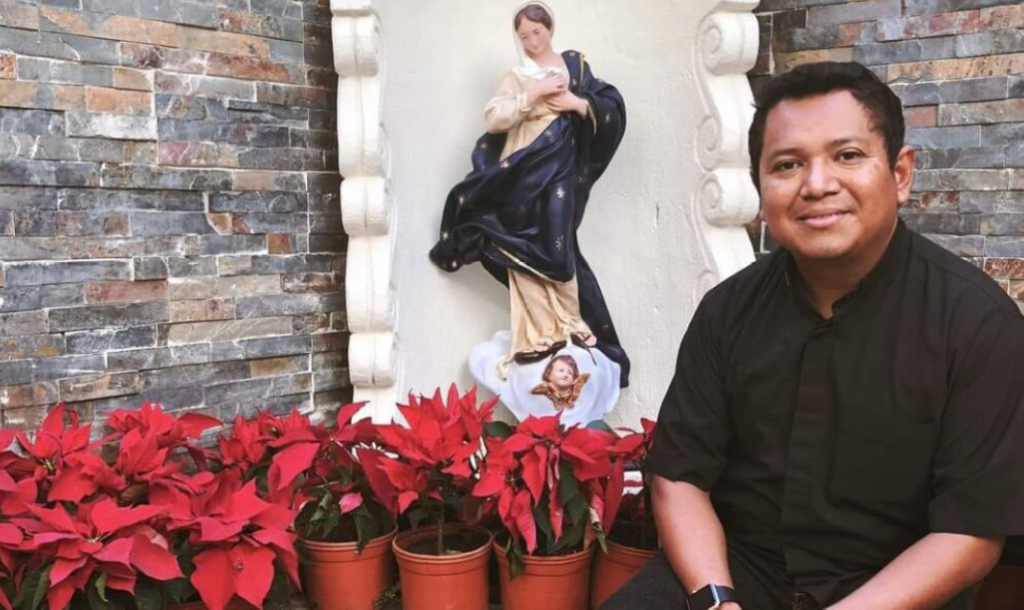
Incidents of religious persecution increased about 40 percent, CSW said, tracking 309 incidents of persecution in the 2025 calendar year, up from 222 in 2024. Each incident typically included several violations and involved numerous people, with CSW describing incidents there as “egregious and numerous.”
Religious leaders were required to make weekly visits to police stations for permission to conduct a range of activities, were arbitrarily detained or imprisoned, were questioned about the content of their sermons, and were threatened in retaliation “for statements or other forms of expression perceived as critical of the government,” CSW said. In many cases, officers openly stood outside church buildings during religious services, taking photos and documenting attendance, CSW said.
CSW has documented for years a continued deterioration of religious freedoms in Nicaragua, CSW Director of Advocacy and Americas Team Leader Anna Lee Stangl said in releasing the report.
“While in some ways the regime has changed its strategies – releasing political prisoners into house arrest as opposed to forcing them into exile, for example – its primary goal remains the same: to control, coopt or eliminate anyone it deems a threat to its authority and survival,” Stangl said. “The international community must do more to support and strengthen independent voices in the country, including those of religious groups, and in light of Nicaragua’s own unresponsiveness to international communications, it should consider holding other states that support the regime to account.”
Under the leadership of co-Presidents Daniel Ortega and his wife Rosario Murillo, Nicaragua banned in the summer of 2025 the entry of Bibles by land, CSW confirmed in December, although the rule did not appear to be uniformly enforced.
“Sources told CSW that upon entering the country, vehicles were searched by the police who confiscated any restricted items, however, they also said that searches were often limited to what travelers were carrying in their seat and not extended to checked luggage,” CSW said in its report. “The same general restriction seems not to have been applied to travelers arriving by air.”

Nicaragua continued to expel individuals and groups deemed critical of the Ortega-Murillo regime, in most cases stripping them of their Nicaraguan citizenship while they traveled overseas. The government weaponized against religious leaders a constitutional provision to strip the nationality of anyone deemed a traitor.
But “in an attempt to create an illusion of general respect for freedom of religion or belief, the government co-opted some religious festivals and traditions,” CSW said in releasing the report, “and exempted some groups aligned with and supportive of the government from prohibitions on religious activities in public.”
Nicaragua’s report is in line with the U.S. Commission on International Religious Freedom’s 2026 Annual Report, which recommends the continued designation of Nicaragua as a Country of Particular Concern for particularly severe religious freedom violations. The U.S. last designated Nicaragua a CPC in 2023 under the Biden administration, and any sanctions related to the designation expired in 2025 unless extended, USCIRF said.
Last Easter season, USCIRF reported, “the government dramatically restricted Holy Week celebrations,” with up to 14,000 police deployed nationally to prevent processions.
CSW’s report is available in both English and Spanish.
Related posts:
 6 Indonesian Christians await presidential ruling Christians ‘punished’ in Vietnam’s Central Highlands
  USCIRF condemns Chinese religious persecution as jailed pastor’s U.S. family urges prayer
  Nigeria again excluded from State Department’s CPC list
  China house church labeled ‘criminal clique,’ tithes deemed ‘illegal income’
  Global Christian Relief launches 2025 Red List annual persecution report
  ERLC again commends CPC tag for Nigeria; USCIRF, others turn up heat
  Sudanese Christian’s passion: prayer, action to end homeland’s suffering