
ROCKVILLE, Va. – Rynie Badenhorst returned to Missions College this year with a clear purpose – and a larger group. The global outreach pastor from CityRise (West University Baptist Church) in Houston, Texas, brought a team of 10 this year, all excited to strengthen their church’s pathway for sending and sustaining the next generation on mission.
Missions involvement isn’t new for CityRise. The multi-campus, multicultural church was founded more than 90 years ago by an International Mission Board missionary returning from the field. Since its beginning, the church has been purposeful in Great Commission tasks and missions partnerships.
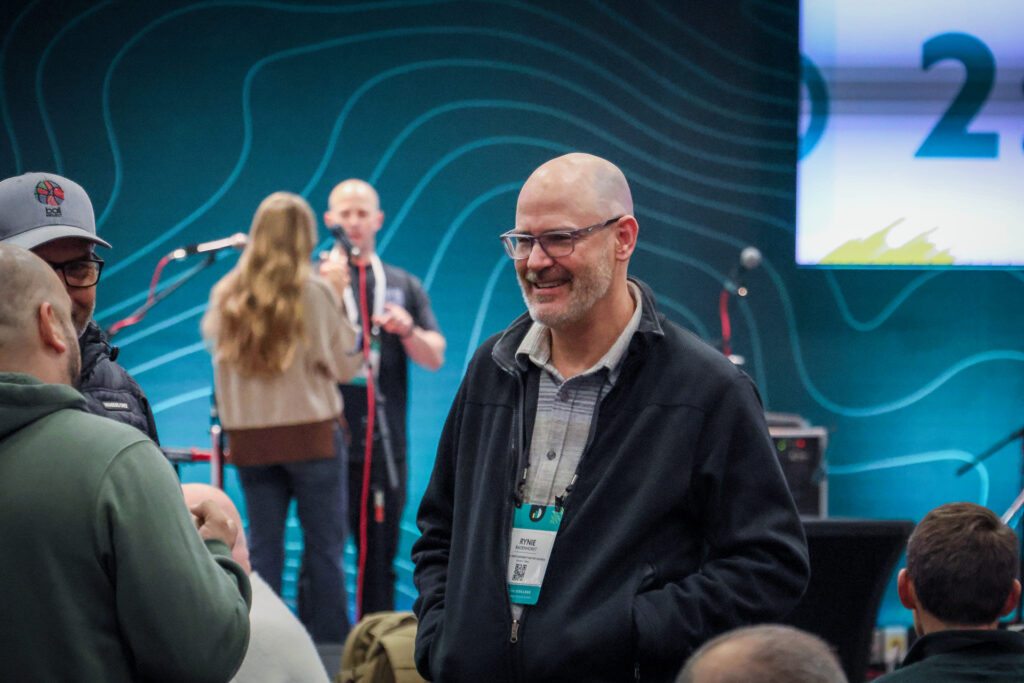
As the church continues to grow in its involvement to reach the nations, Badenhorst arrived at this year’s event with a new question: How do we build a sustainable pipeline across different ages and stages?
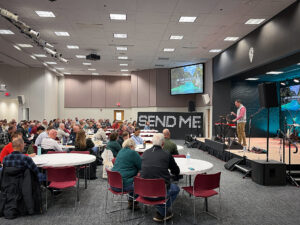
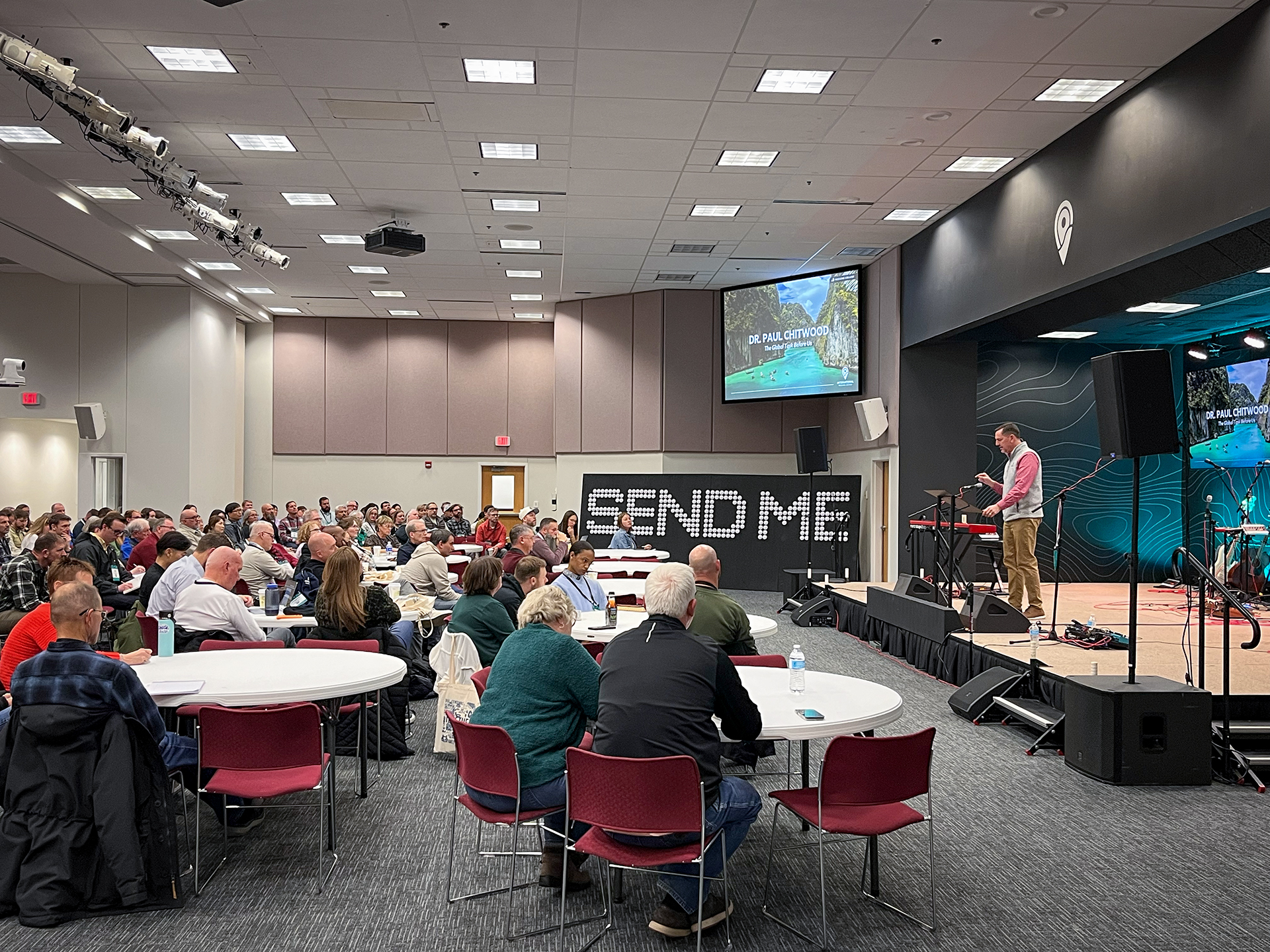
Badenhorst was one of 200 participants who gathered for the 2026 Missions College, held Jan. 21-24 at the International Learning Center in Rockville, Va. Attendees represented 26 states and 127 local churches, with 80 percent making their first trip to the event. Ninety IMB field personnel and staff joined the event to lead and serve churches to grow in understanding and effectiveness in God’s global mission.
Designed to equip pastors, church leaders and church members, this year’s event focused on three outcomes: know your role, grow in effectiveness and lead others in God’s mission. Organizers of the event, including Tim Thorn who served as host, emphasized that the training was designed for every church, whether new to missions or strengthening their church’s existing involvement. The four-day event represented intentional training designed to transform the way participants live out the Great Commission.
Thorn, who serves with IMB’s U.S. Engagement team, told participants from the platform that Missions College was “an opportunity for us to lock arms with one another.”
He continued, “At the IMB, the main question we ask is, ‘How can we come alongside you in a way that God is already moving and working in your church?”
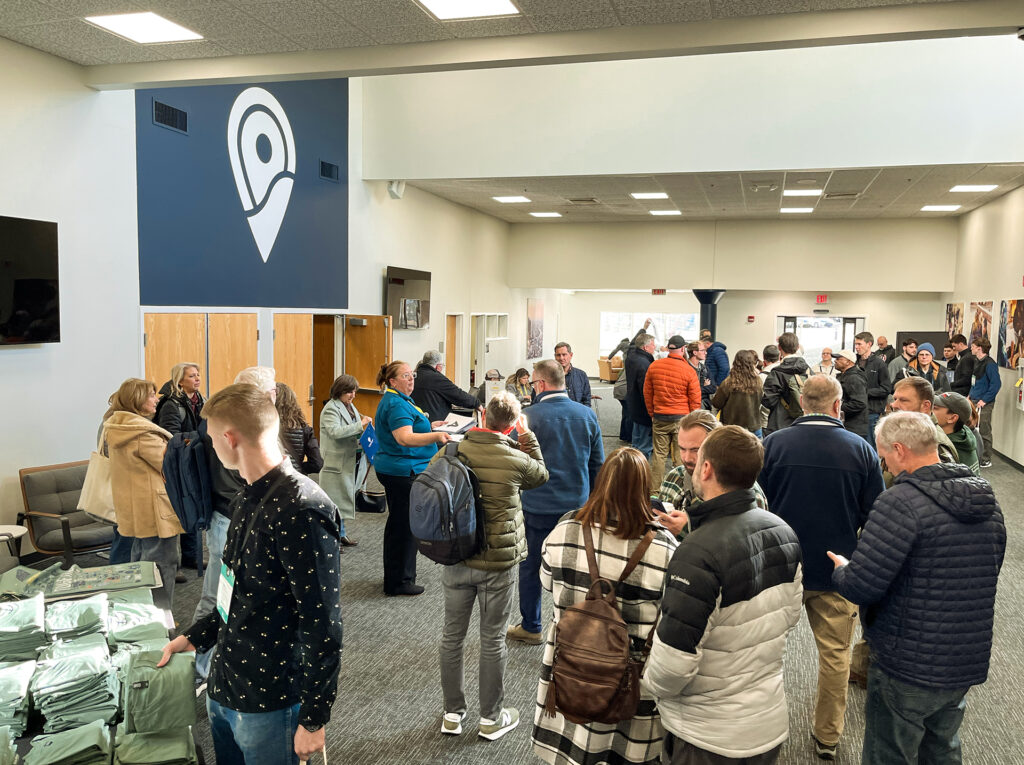
Days began and ended with all participants and leaders gathering for worship and large-group Bible teaching. Red Letter Society, a Virginia-based collective of worship leaders, led music.

IMB President Paul Chitwood spoke during one of the worship sessions, reminding participants of the Church’s leading role in sending missionaries.
“How does a missionary get to the nations? They go and are sent by the Church.” Chitwood further challenged the crowd by focusing on their responsibility, “Everyone who has made a confession that Jesus Christ is Lord has an obligation to join the mission.”
During another worship session, Andrew Hopper, lead pastor of Mercy Hill Church, Greensboro, N.C., preached from 2 Kings 4. He urged participants to prepare for what God may do next.
“We have the opportunity to take part in God’s miracle in accordance with the response of our faith,” he said. “We can’t prepare the oil, but we can prepare the jars. We are co-laborers in God’s work.”
Leaders challenged participants to build systems that identify potential missionaries early, disciple them intentionally and walk with them faithfully through every stage of their calling. The challenge included staying close to Christ and asking, “Am I next, Lord?”
Zane Pratt, who has served with the IMB for close to 33 years, pointed the attendees to the source of the missionary task.
“There’s a lot of impressive work that we can accomplish, but none of it is worth anything if we are not abiding in Christ,” he said.
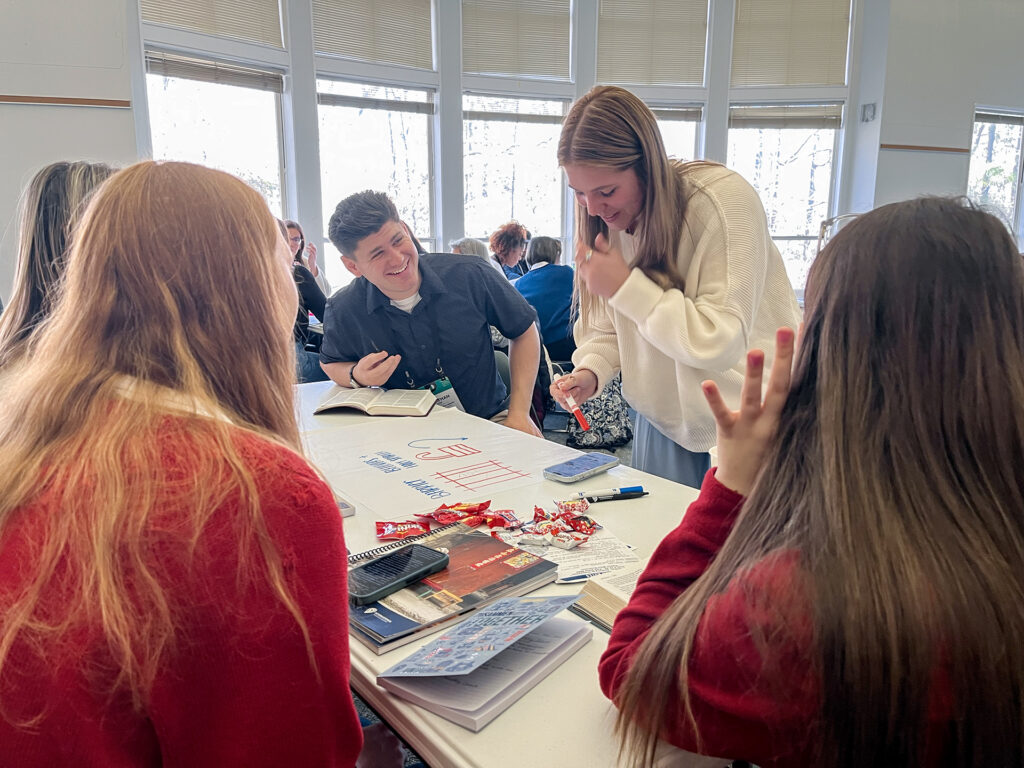
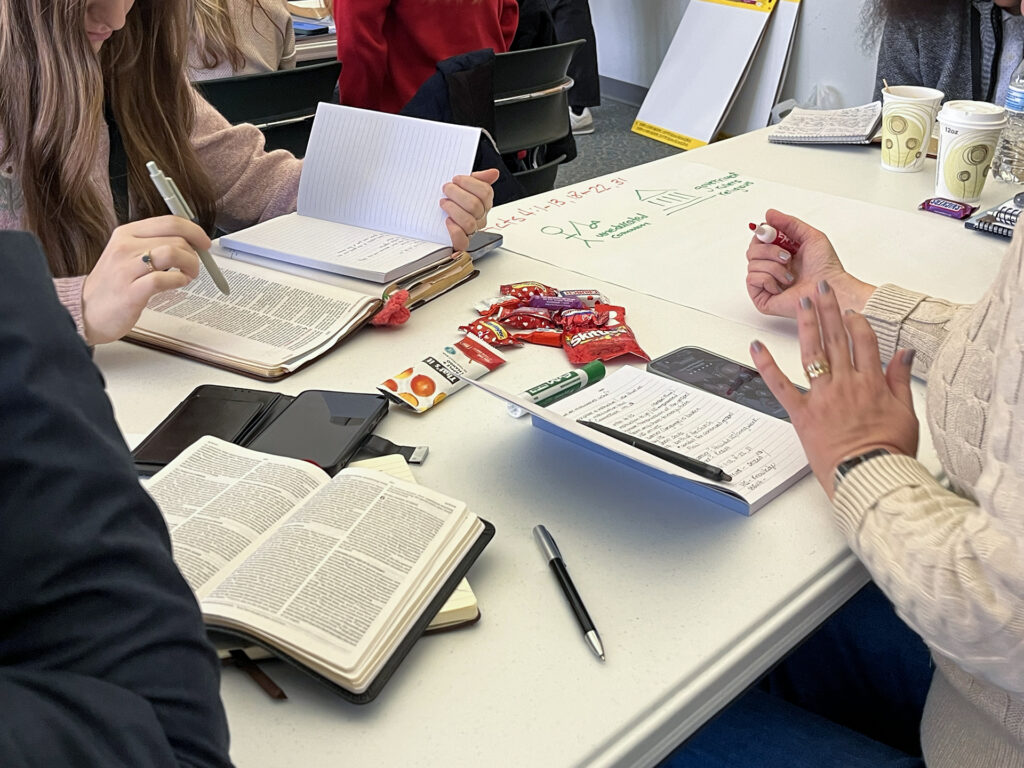
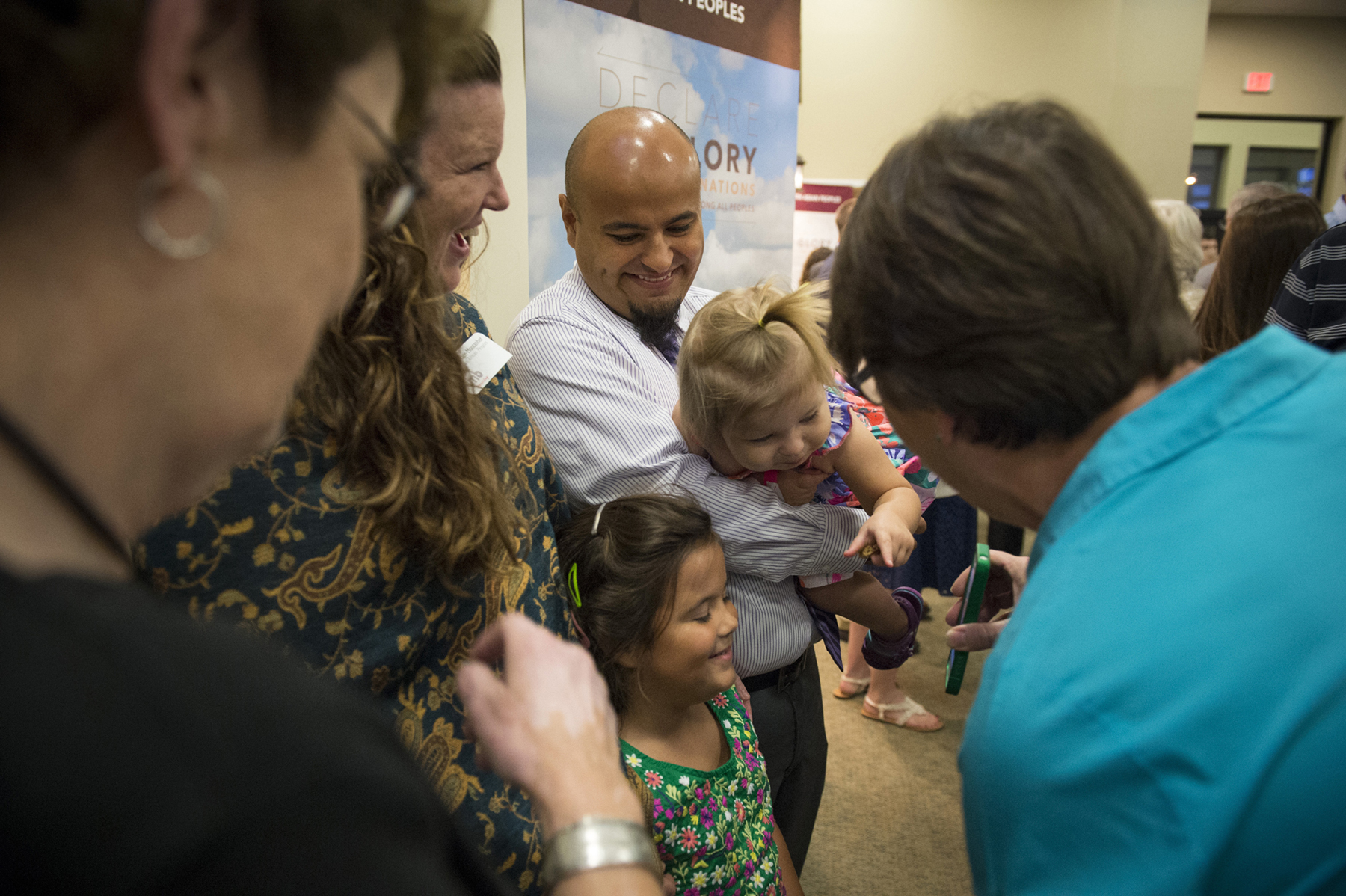
Interactive tracks, breakout sessions and personal connections with IMB missionaries created opportunities for participants to discover how the core missionary task plays out around the world and how churches can meaningfully engage through praying, giving, going and sending.
Some sessions and small-group meetings introduced biblical frameworks for missions and the scope of global lostness. Others equipped leaders in strategic prayer, NextGen sending, urban ministry, workplace missions, diaspora engagement and missionary family care. All sessions emphasized biblical principles and IMB strategies to amplify the share of the Gospel with the lost.
Many participants expressed immediate outcomes from the week. Church leaders shared new plans to equip leaders, expand prayer efforts and establish pathways for sending. Others left with a personal conviction to pursue missions themselves, ready for their churches to come alongside them in partnership with the IMB.
For Badenhorst, the impact went beyond strategy. Through sessions and connections, he said he gained practical tools. He shared how their church has been able to develop a system of supporting their missionaries on the field, because of IMB’s efforts. Each of their small groups has been connected to an IMB missionary, creating opportunities to provide both practical and spiritual care.
He also found the answers to his question about building a sustainable pipeline in his church. He said many answers came through the other churches also pursuing God’s mission.
“Being here helps you learn not just from presenters, but from other churches who are doing this well,” Badenhorst said. “Now I have people I can reach out to, resources I can use and a plan I can take home.”
Related posts:
 IMB Resets for Future
  Pastors experience God’s timing in Ecuador
  IMB shares Southern Baptist missions history in 57 seconds
  42 misioneros de IMB designados; Platt se dirige a los directivos
  SEBTS women’s ministry leaders hold women’s Bible conference in West Africa
  Bali: ‘Real spiritual darkness here’
  More than 13,000 registered for Send Conference
  WEEK OF PRAYER: Prayers back home boost new Japan church