
WASHINGTON (BP) – Republicans joined Democrats in a House measure Thursday night (April 16) in favor of a three-year extension of Temporary Protected Status (TPS) permits for Haitian immigrants living in the U.S.
Ten Republicans and one Independent united with Democrats in support. The bill now moves to the Senate, and if it passes, will almost certainly be vetoed by President Trump. Overturning the veto would require a supermajority two-thirds vote from both the House and Senate. Thursday’s vote in the House fell short of that at 224-204.
Meanwhile, on April 29, the Supreme Court is set to hear arguments over whether federal courts can review decisions to terminate TPS. The date for hearing the arguments was expedited at the federal government’s request, as lower court rulings that blocked the Trump administration’s attempts to strip TPS are still being finalized.
Southern Baptists who have been advocating on behalf of Haitians living in the U.S. praised last night’s vote.
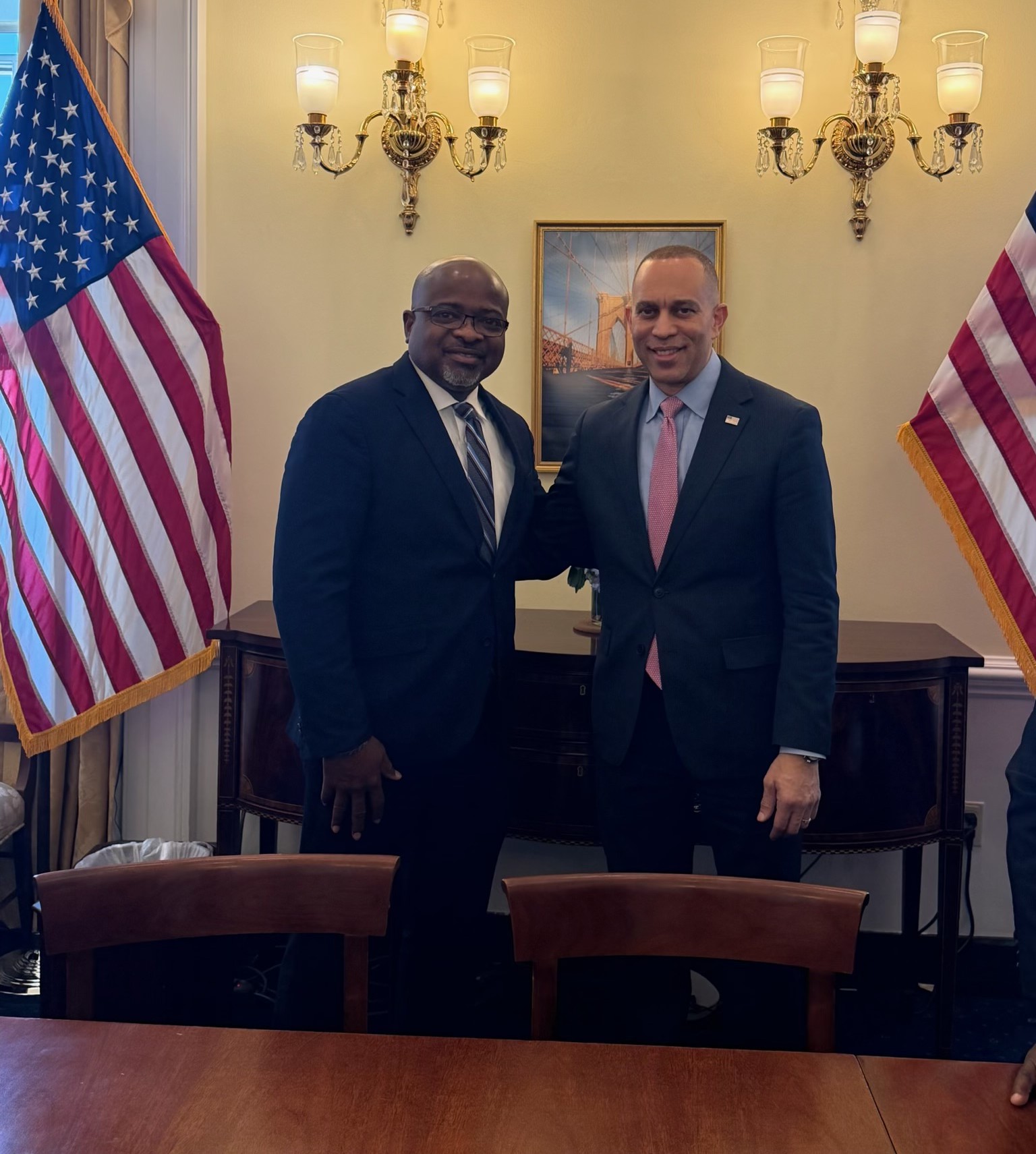
“We are tremendously grateful to Rep. Ayana Pressley and all House members who voted to protect Haitian individuals and families with TPS,” said Keny Felix, senior pastor of Bethel Evangelical Baptist Church in Miami and president of the Southern Baptist Convention National Haitian Fellowship. “This vote was about affirming the dignity of our Haitian neighbors, whose homeland continues to be marked by unrestrained gang violence, government instability and a growing humanitarian crisis where over a million people have been internally displaced.”
Thursday’s vote could provide protections to some 350,000 Haitians.
“Extending TPS for Haitians is not simply about charity, but about our moral duty to extend compassion and protection to those who will face significant harm, including children, the elderly and thousands of adults if returned to a country in disarray,” Felix said. “Rather than indifference, we plead with the Senate to respond with compassion and positive action to extend TPS for Haitians by passing this bill. The same measure should apply to other communities facing a similar plight.”
The TPS program was established in 1990 through Title III of the Immigration Act, giving power to the attorney general and appropriate government agencies to designate countries as unsafe for immigrants who had fled and were in the U.S. Those responsibilities were handed over in 2002 to the newly-established Department of Homeland Security.
Nationals of those countries receive a TPS permit, which allows them to work legally in the U.S. without fear of deportation.
The Trump administration maintains that the temporary intention of the act, as it was originally developed, is no longer honored.
In 2010, Secretary of Homeland Security Janet Napolitano designated Haiti under the TPS program after a massive earthquake in the country led to approximately 200,000 deaths and decimated its infrastructure.
Last November, then-DHS Secretary Kristi Noem announced the upcoming end of TPS for Haiti, while acknowledging “escalating violence and gang violence” in the capital of Port-au-Prince, but nevertheless determining that “there are no extraordinary and temporary conditions in Haiti that prevent Haitian nationals … from returning in safety.”
Southern Baptists and other leaders visited congressional offices last month to speak on behalf of those facing deportation through the elimination of TPS. That came after another meeting supporting TPS in Springfield, Ohio, where Haitians were the subject of baseless rumors during the 2026 presidential campaign that they were eating people’s pets.
“We … plead with churches and the faith community to empathize with their neighbors facing the breakup of families and life-threatening conditions if returned to Haiti,” Felix said. “Let’s not close our arms to the destitute but instead embrace the opportunity to be caring and loving neighbors.
“It’s not only a Christian response, but it’s what it is to be human. To close our eyes to the suffering of others is to deny our own humanity.”