
NASHVILLE (BP) – States that have approved or are pursuing legislation protecting houses of worship from would-be protestors deserve accolades for protecting a foundational right, said incoming Ethics & Religious Liberty Commission president.
“The First Amendment right to free exercise of religion is a bedrock principle of our American society,” said Evan Lenow, who will officially begin his role June 1. “It is both a constitutional duty and a God-given responsibility of the government to maintain peace and order. One application is protecting the right of churches to gather in worship without fear of disturbance or harm. This year’s jarring events in St. Paul revealed that some seek to threaten this basic right.”
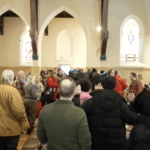
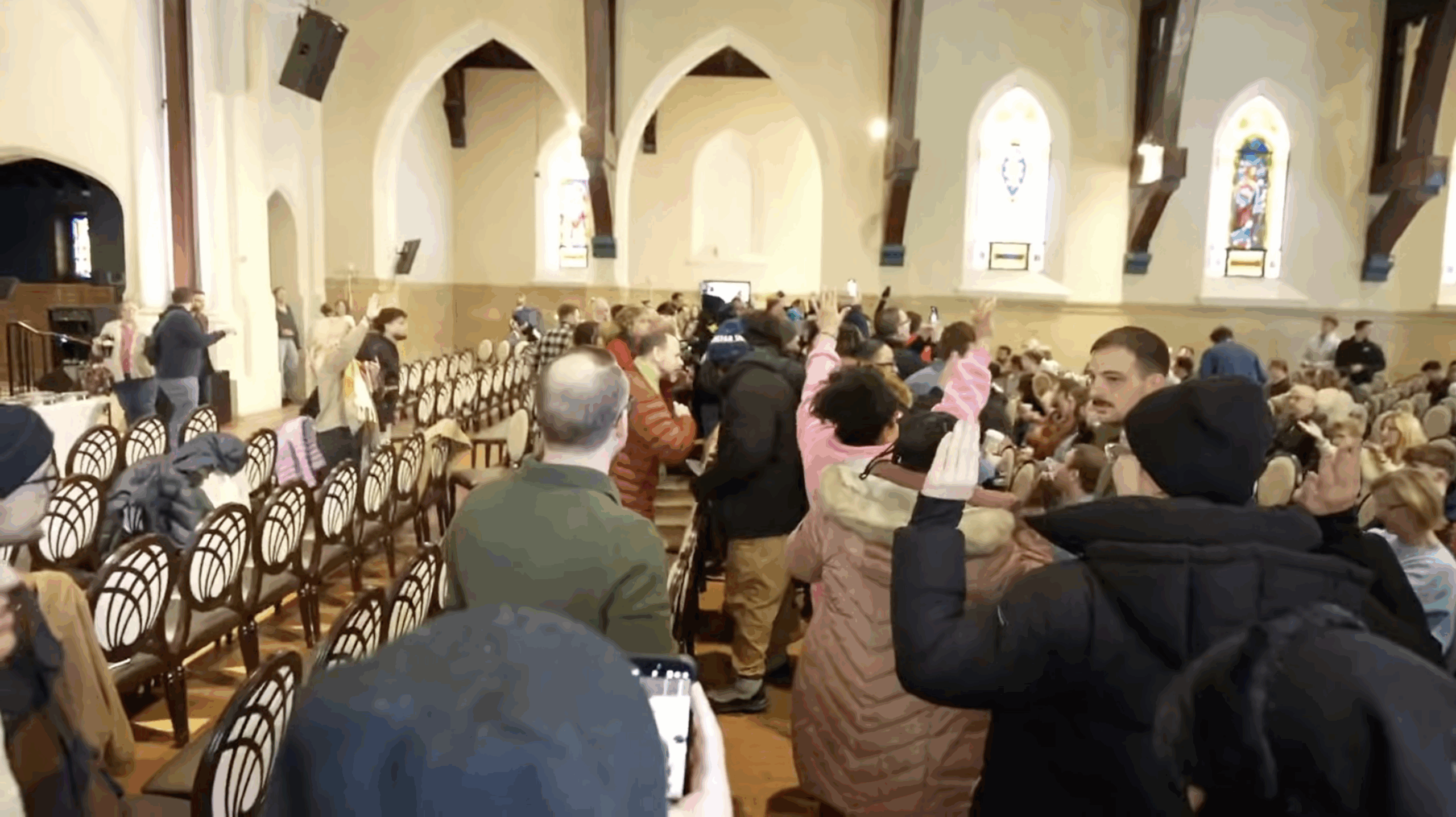
In January, a group entered Cities Church, a Southern Baptist congregation in St. Paul, Minn., and proceeded to stand up at a coordinated time in the worship service to protest a pastor’s alleged connection to Immigration and Customs Enforcement (ICE). An affidavit later explained how the protestors “intimidated, harassed, oppressed, and terrorized the parishioners, including young children.”
Several states fast-tracked bills to protect houses of worship from similar occurrences. Oklahoma was the first, with a first offense punishable by a fine of up to $500 and a year in county jail. Subsequent offenses double the fine, plus two years in state prison. The law also establishes a buffer zone of 100 feet from a house of worship and at least 8 feet from anyone entering or exiting the property.
Governors in South Dakota and Idaho have signed bills, the former going into law upon its signature on March 10. Idaho’s law goes into effect July 1, also the date one in Kansas becomes part of the state code. That came about although Kansas’ Democratic governor didn’t sign the bill, but she didn’t veto it either.
South Dakota’s law raises the law from a misdemeanor to a felony, with punishments going from one year in county jail and up to a $2,000 fine to two years in state prison and a $4,000 fine. An even stricter house bill failed to pass that would’ve delivered a Class 5 felony to anyone who entered a church or even came within 5,000 feet of one with the intent to disrupt or intimidate.
“The preeminent thing on Christians’ minds at church should be worshipping Jesus, not fearing for their safety or worrying about interruptions – and the government has a fundamental responsibility to support this purpose,” said Lenow.
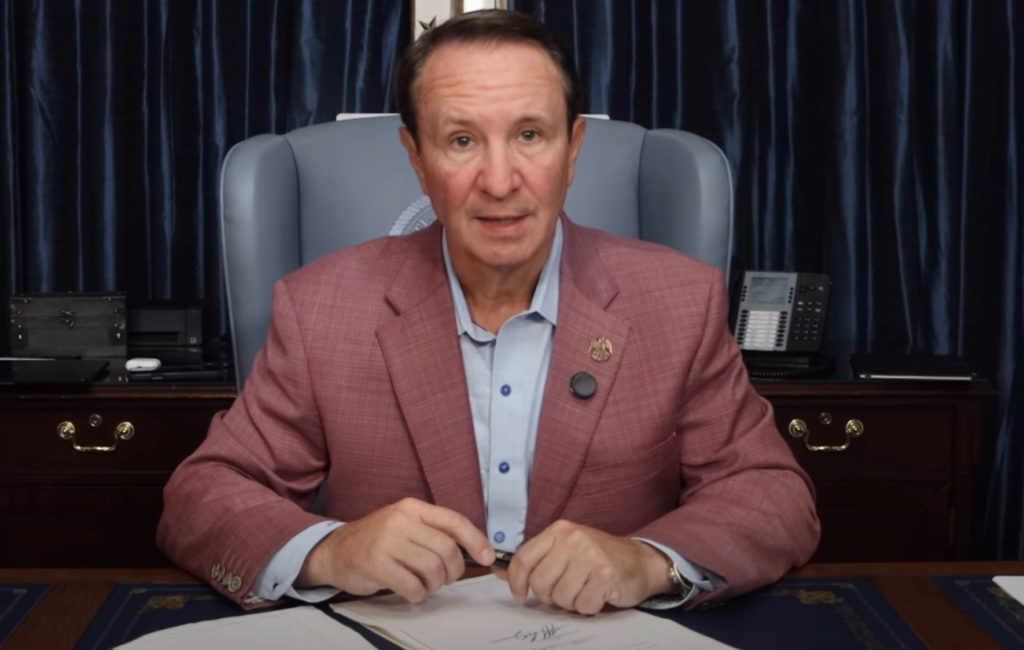
Two bills in Louisiana address the issue. One allows protestors to be forcibly removed by church congregants, though it doesn’t protect the latter from being sued should the force be “grossly disproportionate to the force” of the trespasser. The other makes it a crime to intentionally disrupt church services or religious ceremonies. Gov. Jeff Landry signed both.
Minnesota lawmakers have also introduced a bill that is currently in committee. The parameters to be guilty are narrower than the versions in conservative states, though, as someone must enter a religious establishment with the explicit intent to disrupt a worship service and actually commit a crime while there. First offense would be a gross misdemeanor, with subsequent offenses becoming a felony.
A bill in Ohio – whose General Assembly runs year-round – remains in committee. Another introduced in Alabama made it to a Senate subcommittee, but did not make it to the floor for a vote.