
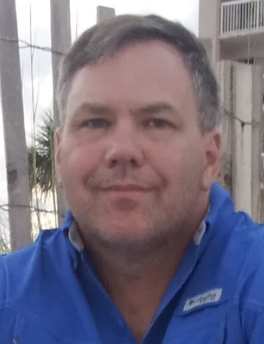
Editor’s note: James Y. Pennington is a former Army chaplain, a member of Valley Grove Baptist Church in Tuscumbia, Ala., and the author of “Refined by Fire: An Army Chaplain in Iraq.”
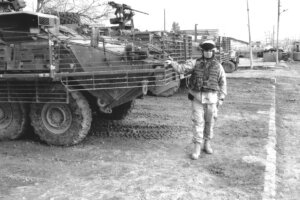
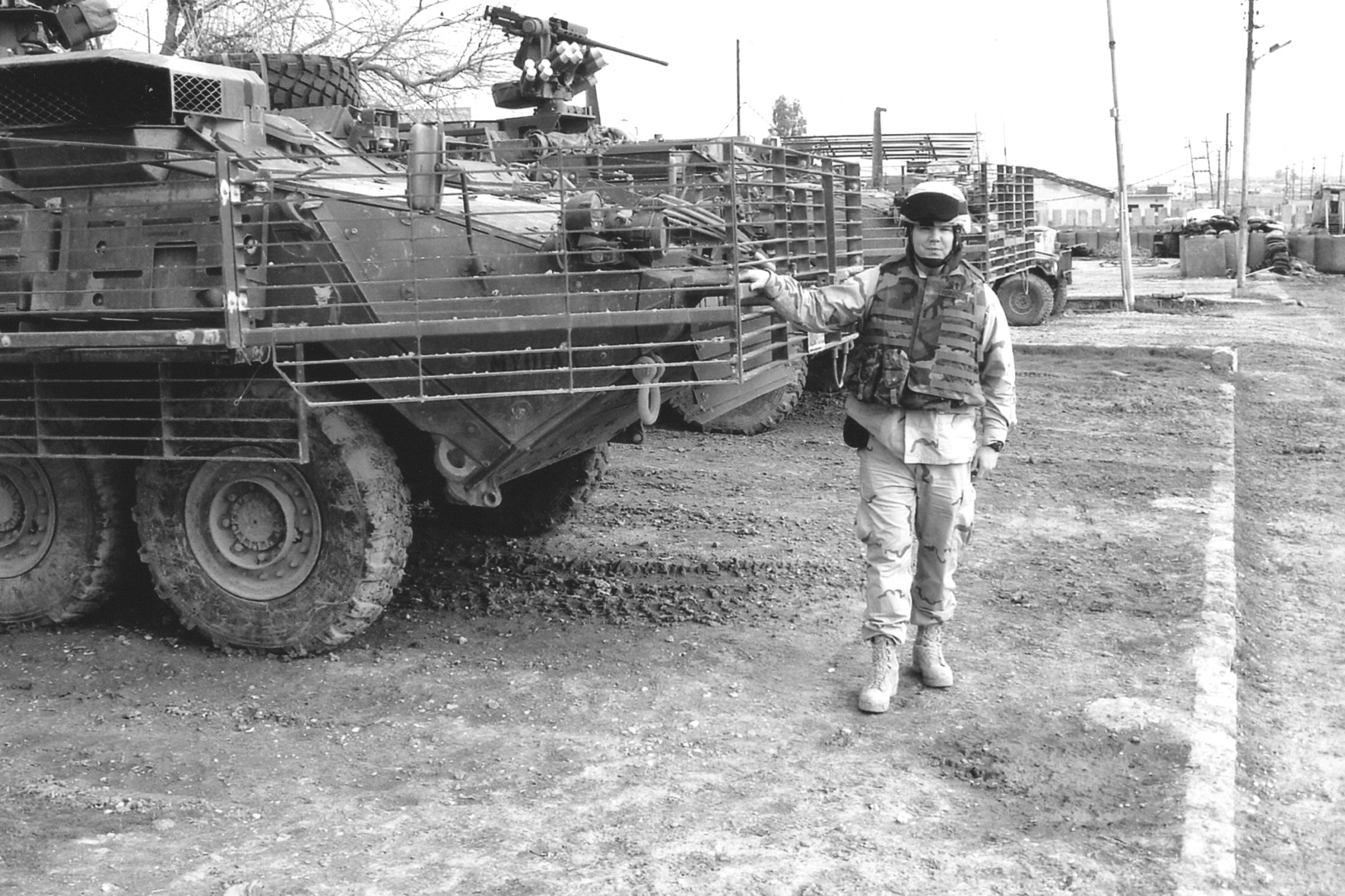
The lunch crowd had gathered as it did every day at Forward Operating Base Marez near Mosul, Iraq. Soldiers, civilian contractors and Iraqi workers filled the dining facility, grateful for a brief break from the demands of combat. Then, in an instant, everything changed.
On Dec. 21, 2004, a suicide bomber detonated explosives inside the dining facility. The blast ripped through the tent, killing and wounding scores of people in one of the deadliest attacks against U.S. forces during the Iraq War. Moments earlier, laughter and conversation filled the room. Within seconds, smoke, confusion and cries for help replaced them.
As an Army chaplain, I carried no weapon into that devastation. My calling was different. Chaplains enter a different battlefield, the battlefield of the human heart. We prayed with the wounded, comforted the grieving, encouraged exhausted caregivers and reminded stunned soldiers that even amid unimaginable tragedy, God had not abandoned them.
No seminary classroom prepares a pastor for moments like those. Questions came quickly. Why would God allow this? Why did some survive while others did not? Where was God in the middle of such suffering?
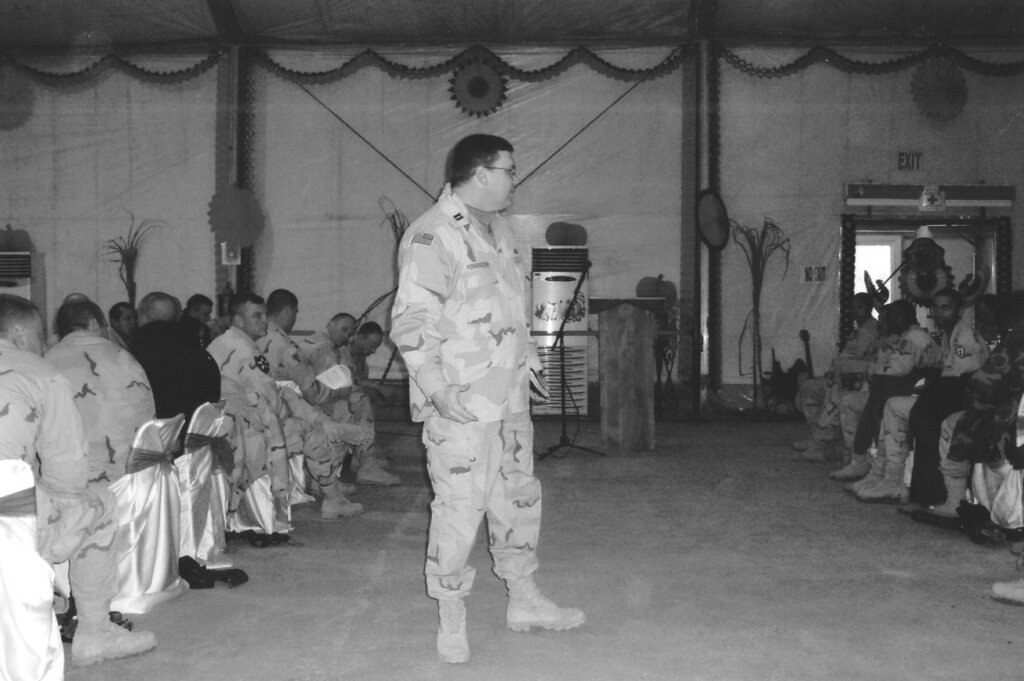
Those questions echoed throughout my deployment to Iraq from 2004 to 2005. Ministry in a combat zone is unlike ministry anywhere else. Every sermon, counseling session, hospital visit and prayer takes place under the shadow of uncertainty. Every conversation could be the last. I learned that soldiers rarely wanted polished theological answers. They wanted a chaplain who would listen, pray and simply remain beside them.
Life at Forward Operating Base Marez was physically and emotionally exhausting. Summer temperatures routinely exceed 120 degrees. Fine dust covered everything. Mortar attacks were relentless. Some caused little damage; others forever altered lives. Sleep was interrupted by explosions, and every trip across the base carried an element of risk. Living under constant threat stripped away the illusion of control and reminded us daily of life’s fragility.
The ministry of a chaplain extends far beyond Sunday worship. Every day meant praying with soldiers before dangerous missions, counseling young troops wrestling with fear, encouraging commanders carrying enormous responsibility and comforting the wounded and grieving. Ministry occurred in chapels, aid stations, combat support hospitals and sometimes outside the wire. The most important ministry was simply showing up.
Sitting quietly beside a grieving soldier, praying over the wounded or standing silently during a memorial ceremony often communicated Christ’s love more effectively than any sermon I could preach. Presence became ministry.
Yet Iraq was not defined only by suffering.
Just weeks after the dining facility bombing, Iraq held its first free national election in decades. On Jan. 30, 2005, millions ignored terrorist threats and walked to polling places to cast their ballots. Many proudly held up fingers stained with purple ink, visible symbols that hope had overcome fear.
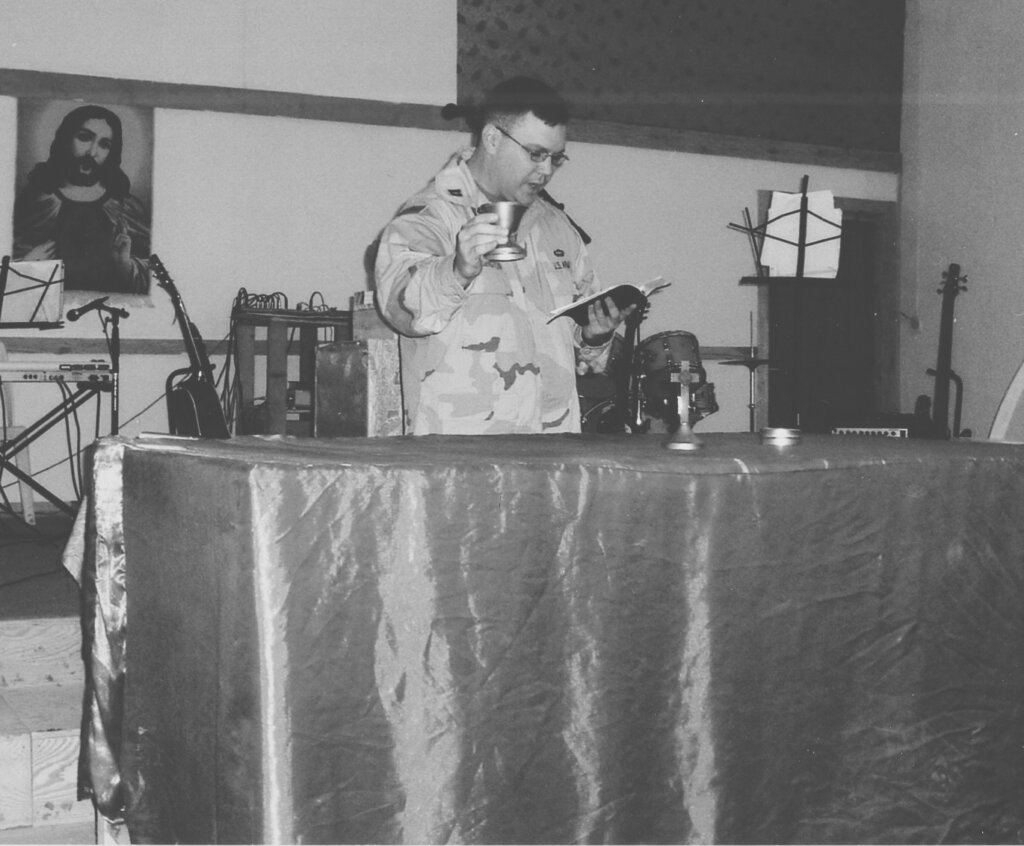
I watched soldiers faithfully gather for worship despite the danger. Prayer became more than routine; it became essential. Men and women who had rarely spoken about faith began asking eternal questions because war has a way of stripping life down to what matters most.
Still, ministry in war carries an invisible cost. Chaplains absorb the burdens of everyone around them while quietly carrying burdens of their own. We listened to stories of trauma, conducted midnight counseling sessions, stood at memorial ceremonies and walked with soldiers wrestling with fear, guilt and loss. The emotional weight accumulated one conversation at a time.
During that deployment I repeatedly returned to Paul’s words in 2 Corinthians 1:3-4, where he describes God as “the Father of mercies and the God of all comfort, who comforts us in all our affliction, so that we may be able to comfort those who are in any affliction.” Those verses became more than theology. They became daily reality. God’s comfort was never intended to stop with us but to flow through us into the lives of others.
Looking back more than two decades later, I realize Iraq refined my faith as much as it tested it. The battlefield reshaped my understanding of ministry, suffering and God’s sustaining grace. I learned that a chaplain’s greatest ministry is seldom measured by eloquent sermons but by faithful presence – showing up, staying with people in their darkest moments and pointing them to the unchanging hope found in Jesus Christ.
Those experiences are recounted in my forthcoming memoir, “Refined by Fire: An Army Chaplain in Iraq,” but the greater story is not mine. It is the story of God’s faithfulness. His presence is not limited by geography, danger or human suffering.
Southern Baptists have always understood that following Christ may lead His servants into difficult places. Whether serving in a neighborhood church or on a distant battlefield, our mission remains the same: to proclaim Christ faithfully, love people sacrificially and offer the hope of the Gospel to a world desperate for peace.