
MINNEAPOLIS (BP) – As protests escalate, one emotion remains prominent in this city where a majority of Southern Baptist churches are multiethnic or non-Anglo. It has shaped – and been shaped by – confrontations that have now led to mentions of invoking the Insurrection Act.
And in a time when people need each other and the Gospel, it has also led to isolation.
“Fear,” said Trey Turner, executive director for the Minnesota-Wisconsin Baptist Convention. “It has stifled church gatherings [and made] people want to keep to themselves. If everyone is tuned out, how are they supposed to hear the message?”
Department of Homeland Security (DHS) deployments to the Minneapolis area, since named Operation Metro Surge, have grown to approximately 2,000 and DHS describing it as “its largest immigration operation ever.”
The Jan. 7 fatal shooting by an Immigration and Customs Enforcement (ICE) agent has become a Rorschach test of sorts, with extreme viewpoints amplified through social media. A Jan. 13 “targeted traffic stop” resulted in a chase and hospital trips for a federal agent and the man he shot. DHS said the officer fired his weapon in self-defense when the man and two others attacked him with a shovel and broom handle.
This morning, President Trump threatened the use of the Insurrection Act if Minnesota leaders “don’t obey the law and stop the professional agitators and insurrectionists.”

Associational mission strategist Chris Reinertson called it “a challenging time” for churches in the Twin Cities Metro Baptist Association.
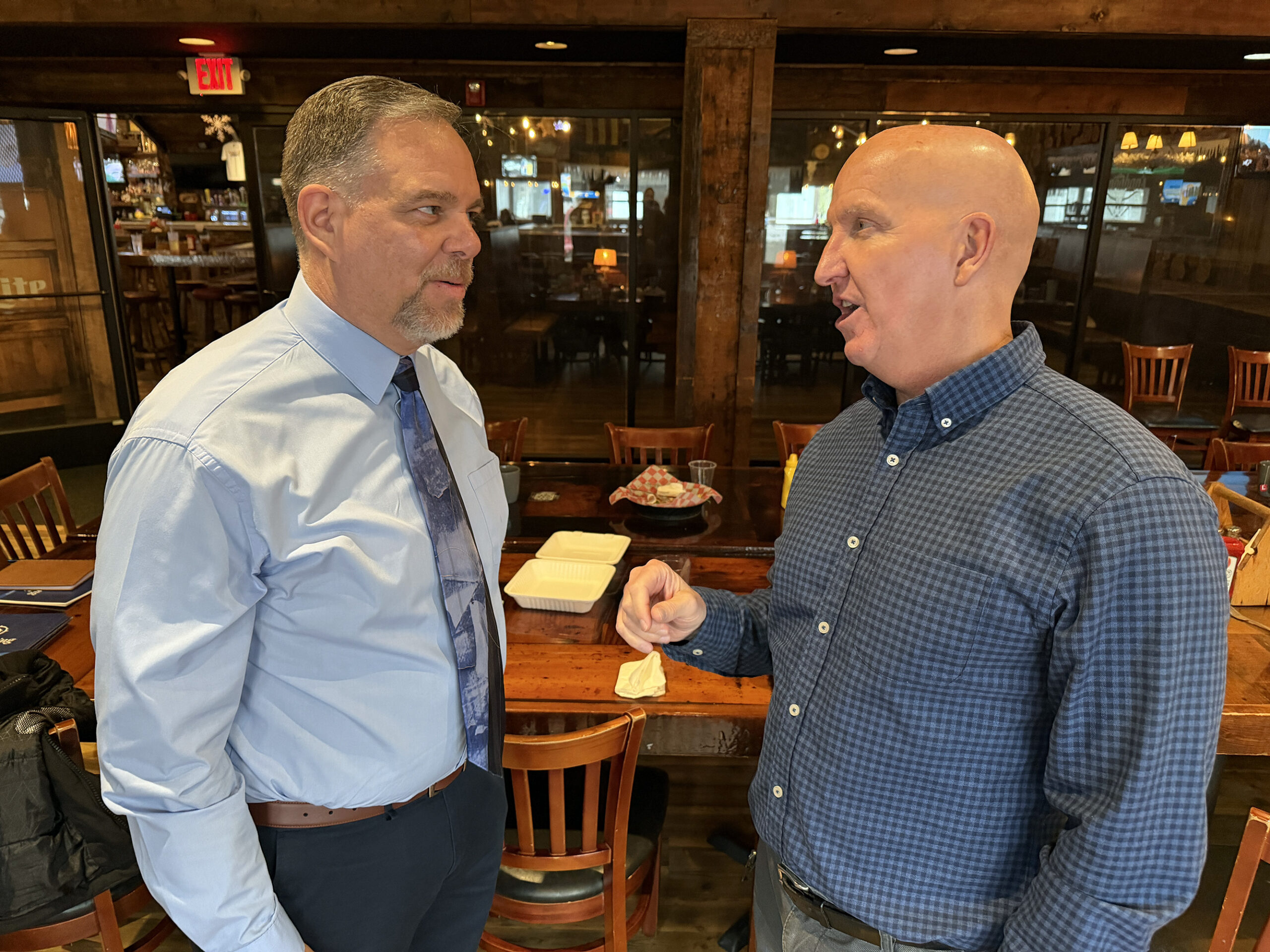
“It’s been really a challenge for all of us,” said Reinertson, pastor of Southtown Baptist Church in Bloomington, a suburb of Minneapolis. “I’ve had the privilege to reach out to them over the last few days. I’ve had dozens of conversations with the pastors. There’s a lot of fear.”
He estimates that over half of the churches in the association, like his, are multiethnic. Concerns about detainment, regardless of legal status, grow with reports such as Native Americans being swept up and questioned.
Many pastors in Reinertson’s association were born in “dozens of other countries around the world. God has called them here to plant churches,” he said. “The immigrant fear is really high. People are fearful to come and meet together.”
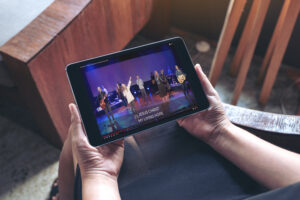
In a callback to the COVID lockdown, churches have grown more dependent on streaming or online church. Many pastors, including Reinertson, have had to minister with families personally impacted.
“We need prayer for those pastors,” he said. “I’ve had to walk with [families] to try and figure out how to contact [a family member] and find out where they are. It’s a huge need, because people have been taken.”

Personal connections to the immigration debate crank up perspectives.
“There are many strong opinions throughout our churches,” said Turner. “Please pray for those who struggle with fear. One young man I know worried for his family so much that his immune system went down and he got shingles. Pray for people to look to God and find peace in Jesus.”
Joshua Whetstine, Send Network church planting leader for Minnesota and Wisconsin, called the Twin Cities’ ethnic diversity “one of our greatest church planting strengths.”
However, he added, “The current reality in the Twin Cities is causing our ethnic community to rethink everything they go to, including church.”
Pastors are keeping in contact with each other, said Reinertson, teaming up so church members remember that Jesus is “the Prince of Peace and at the core of who we are in the midst of the unknown.”
Prayer remains the first and main option when it comes to easing the tension both inside and outside church walls. But Reinertson adds another for those outside of his state.
“Prayer. Clearly, that’s No. 1,” said Reinertson. “But if there’s any connection with a pastor or church in the Twin Cities or Minnesota, make that connection. Reach out and ask how you can help, how you can pray and encourage.”

Related posts:
 America awaits justices’ action on same-sex marriage
  Astronaut credits guidance from several directions, including God, in making it to space station
  Mississippi church stunned by Katrina repays NC volunteers after Helene
  Transgenders to enlist as Trump appeal continues
  FIRST-PERSON: Let refugee children come
  FIRST-PERSON: Going to court
  FIRST-PERSON: My first day in America
  Churches, ministry groups serve refugees fleeing Irma