
NASHVILLE (BP) – Churches and communities provide a strong hand in helping those in the foster care system, says author Mary Ann McMillan. Whether it’s through counseling services, respite care or long-term care for families and children, they are important for closing the gap between the number of available homes and foster children in the system.
There are more than 365,000 children and youth in foster care, up from nearly 329,000 after a six-year decline. The need for homes hasn’t kept pace, to say the least.
The Imprint, a nonprofit, independent news outlet covering child welfare, created the Who Cares Project to track foster care capacity across all 50 states. The project is a key measurement for the federal government’s “A Home for Every Child” goal of a 1:1 ratio of foster homes to a child needing one.
The group’s data recorded 178,026 homes in 2025, a 2:1 ratio.
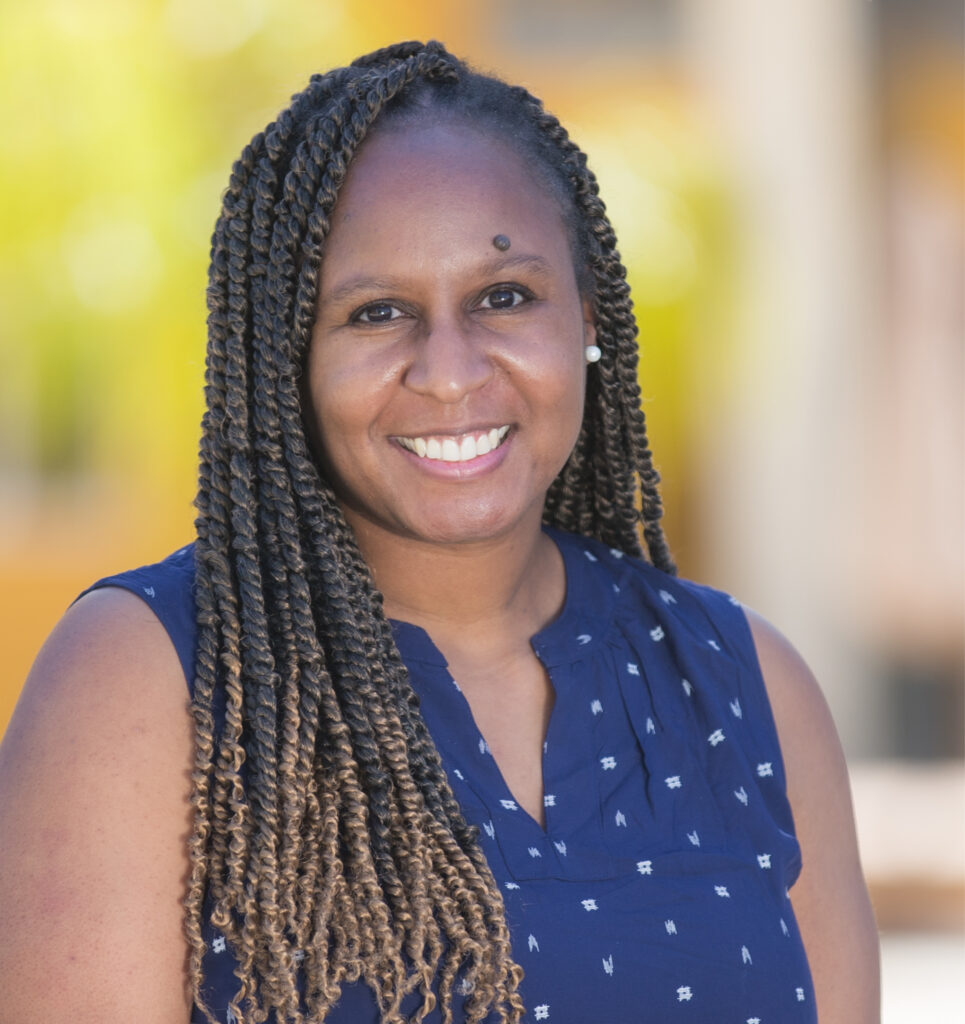
McMillan is an assistant professor in the Department of Criminal Justice at Azusa Pacific University whose doctoral work focused on orphan care in Rwanda. She is also a former foster youth and adoptee. She writes about those experiences in “Bridging Resilience: A Guide to Healing for Adoptees and Former Foster Youth, Families and the Leaders Who Walk with Them,” to be released this summer.
It is her third book. She has also contributed to numerous academic articles and blog posts as well as spoken at churches, conferences, universities and nonprofit events. Her humanitarian and faith-based work has taken her to more than 30 countries.
In foster care, she stressed, patience is a gold standard virtue.
“Healing is possible, but it cannot be forced,” said McMillan. “Every adoptee and former foster youth processes their story differently and on their own timeline.
“My hope is that people learn from my book to be more informed, more compassionate and more willing to listen. Not every story fits a simple narrative, but every child deserves to be seen in their full humanity.”
McMillan, who has shared her story before, entered foster care at five months old. She was adopted at 6 years old. By then, she had been in at least four different foster homes.

Though she was young, memories of loss remained with her even as she and her sister were adopted by their last foster mother. It wasn’t until she was in college that she began to truly process the emotions, sense of loss and connecting her story to God.
The death of a brother she barely knew nevertheless impacted her deeply.
“That experience led me into therapy for the first time,” she said. “Later, while working overseas in ministry and repeatedly sharing my story, I began processing even more deeply what adoption and foster care had meant in my life.
“As an adult, I now understand the complexity more clearly. My birth family carried their own pain and limitations. My adoptive mother did the best she could with the resources that she had during that time. And at the same time, foster care and adoption carry lifelong layers of grief, identity questions and belonging that are often not fully understood.”
McMillan became a Christian while attending the University of North Georgia, where her experience through the Baptist Collegiate Ministries became foundational for her future work.
“I started my missions journey through the BCM, and every spring and summer, I went overseas or locally to do missions,” she said. “Ken Jones was an incredible campus minister.”
Before then, she had struggled with feelings of being unwanted. Her faith, though, became the first place where she began to understand that even if she didn’t have the earthly family she wanted, she had a Heavenly Father who loved her and wouldn’t abandon her.
“That truth became foundational for me,” she told BP.
People came and went early in her life, making trust a difficult concept to accept.
“I learned early to rely on myself, and I still struggle with abandonment and rejection patterns today,” she said. “My faith has not removed those struggles, but it has grounded me through them.”
Those new to foster care or thinking about engaging may be prone to some misconceptions, she added.
One of them is thinking adoptees should simply be grateful. Being welcomed into a home doesn’t erase the damage brought by trauma, separation and loss. However, that doesn’t mean adoptees can’t be thankful for opportunities later in life.
“Both realities can co-exist,” she said.
Another is the idea of a “broken” foster youth. “While many of us carry trauma, we are not defined by it. Many former foster youth go on to live stable, meaningful, and successful lives, though healing is often ongoing,” McMillan said.
She also warned against the perception that achievement overcomes internal struggles. College degrees and a successful career do not make trauma disappear. Former foster youth continue dealing with anxiety, grief and emotional complexities into adulthood.
A healthy foster family relationship is nurtured through the little things, she said. Speak respectfully about the biological family and be clear that reunification is the goal, when possible. Allow children to express grief. Include them in family traditions. Protect them from harmful dynamics and comments. Make them feel included, not different.
Language is also important. Like other adoptees, McMillan struggled with the term “Gotcha Day.” She suggests something like “Family Day,” celebrating everyone and not just the adopted child.
“One of the most important things I want foster and adoptive parents to understand is that children will always have another family,” she said. “That reality does not go away in adoption or foster care.”
She feels her book can address those complex issues.
“My hope is that people learn to be more informed, more compassionate, and more willing to listen. Not every story fits a simple narrative, but every child deserves to be seen in their full humanity.”