
PORTALES, N.M. (BP) – Some ideas are so simple, so needed and so good, it’s hard to figure out why it took so long to think of them.
Serenity Richard had that response earlier this year. As executive director of the New Mexico Baptist Children’s Home, she was well-aware of the challenges for houseparents to establish loving, safe homes for traumatized children. One day, someone brought it up to her.
Could the organization help pay for seminary training for houseparents?
It makes sense that the suggestion came from David Van Bebber, a houseparent and adjunct professor with Midwestern Baptist Theological Seminary. The resulting discussion reinforced the logic: the children bring hard questions into the homes, questions that demand sound theological answers.
“I thought, ‘Wow,’ that’s genius,” said Richard.
NMBCH hadn’t done something like this in its 107-year history, nor was Richard aware of a peer organization doing something like it. The Children’s Home has been blessed financially through various steps, she and Vice President Lon Graham told BP, and is ready to offer payment for full-time enrollment for any degree at Southern Baptist seminaries.
The offer is on the table now. However, houseparents must be on one of the NMBCH campuses in Portales or Estancia for six months first. It is also an option for both parents to be enrolled at the same time, as long as one of them is part-time and stipulations are in place to ensure proper care of the children.
An increase in the need for foster care led to ideas such as Van Bebber’s. Room is available to bring in six pairs of houseparents.
“This is also a way for us to give back to the broader Baptist community, both here in New Mexico as well as nationwide,” Richard said. “We know that it can be difficult to pay for seminary and have a family and job during that time. Providing this checks a lot of those boxes, meeting our needs but also contributing to those who are seeking theological training.”
A desire for houseparents to see their time with the children as Gospel-centered is not new, Graham pointed out.

“In recruiting houseparents, we look for those who feel they are called to ministry,” he said.
“Throughout our history, we’ve had many houseparents come from pastoral ministry or gone on to it afterwards. I’ve been a pastor. I haven’t been a houseparent, but I’ve been close to what they do. Their role includes working as a team and knowing how to deal with (younger) people who sometimes aren’t the most rational.”
Ask any pastor. Those skills are handy among church members.
“We’ve learned that [being a houseparent] is a great launching point for full-time ministry,” said Richard. “When considering the issues folks deal with in working with kids from hard places, it translates broadly into a lot of areas of ministry.”
Amanda Coffman worked as a houseparent before her current role as residential care administrator.
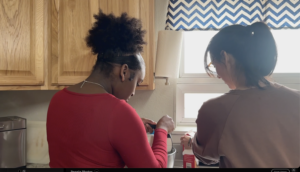
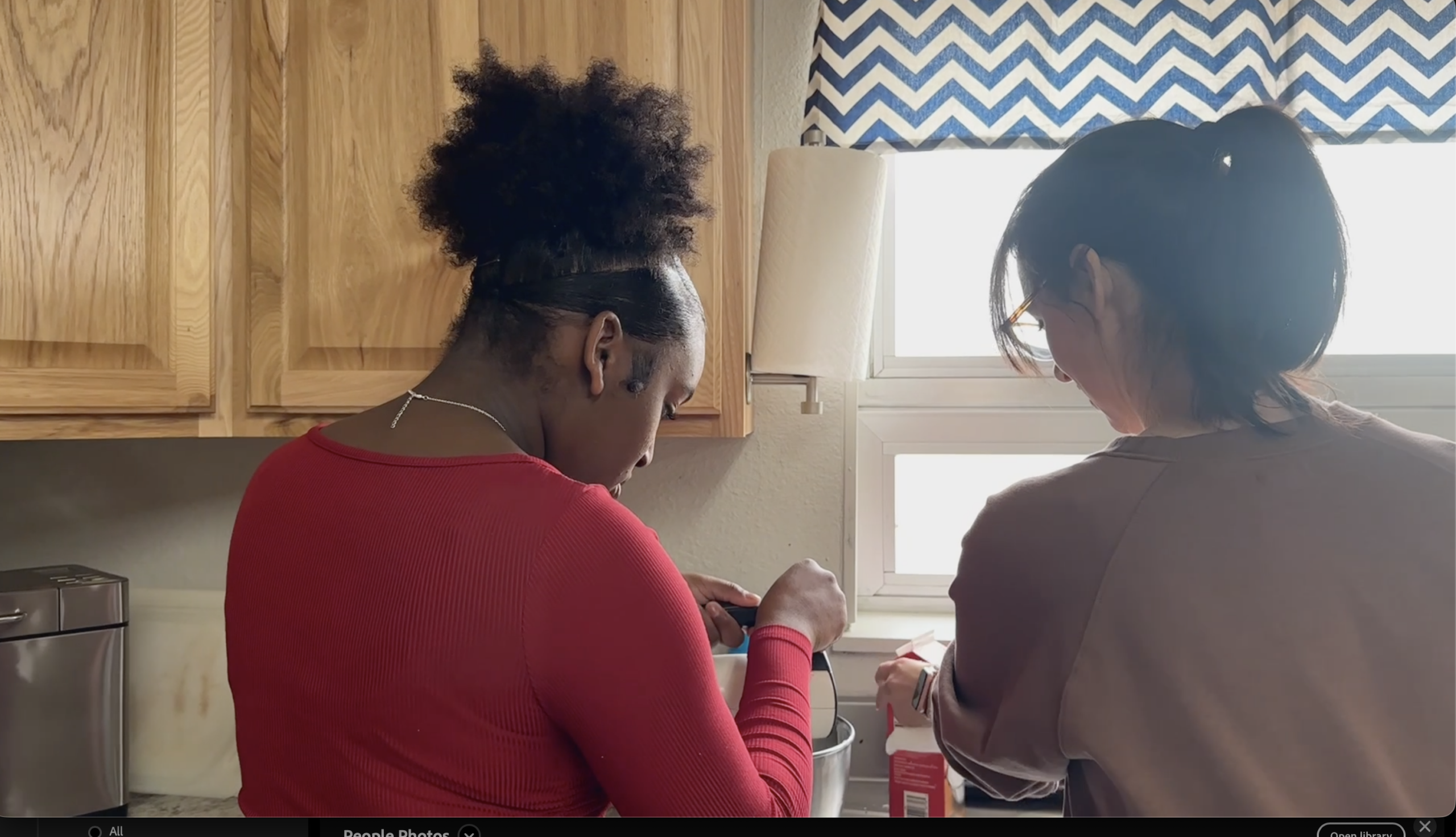
“Talks in the kitchen included us getting to share the love of Christ, and it was amazing,” she said. “We’ve seen a transformation where many come to accept that they are loved, not only by us, but by their Heavenly Father as well.
Houseparents receive “trust-based, relational training” as well, Richard added, alongside respite care. Interviews accompany standard background checks and an initial visit to the campus. If they decide to join, the Children’s Home will also assist with moving expenses.
Graham recalled the story of one little girl who was reunited with her mother. In the year she spent with the Children’s Home, her definition of “home” had changed somewhat.
“She also said she wanted to come back and see her home here, her family and the children’s home,” he said. “A year ago, we were strangers. Now we’re considered right alongside mama.”
The offer provides couples the chance to work on seminary education while receiving full-time pay “and exceptional benefits,” Richard said.
“The need is tremendous, not just here, but across the country,” she said. “Children’s homes across the country are struggling to have highly committed people who are committed to the Lord first, but also committed to the hard work of caring for children from hard places.
“As we learn to deal with kids, we learn more about God’s love. When a child is difficult and hard to parent, we learn a little more about God’s infinite love for us.”