
Editor’s note: The following is Part 1 of a four-part series devoted to the role of Baptists in the development of religious liberty in America. Additional pieces will run leading up to the nation’s 250th anniversary July 4.
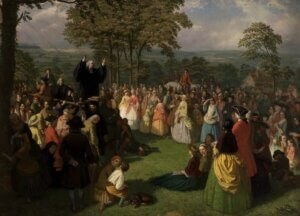
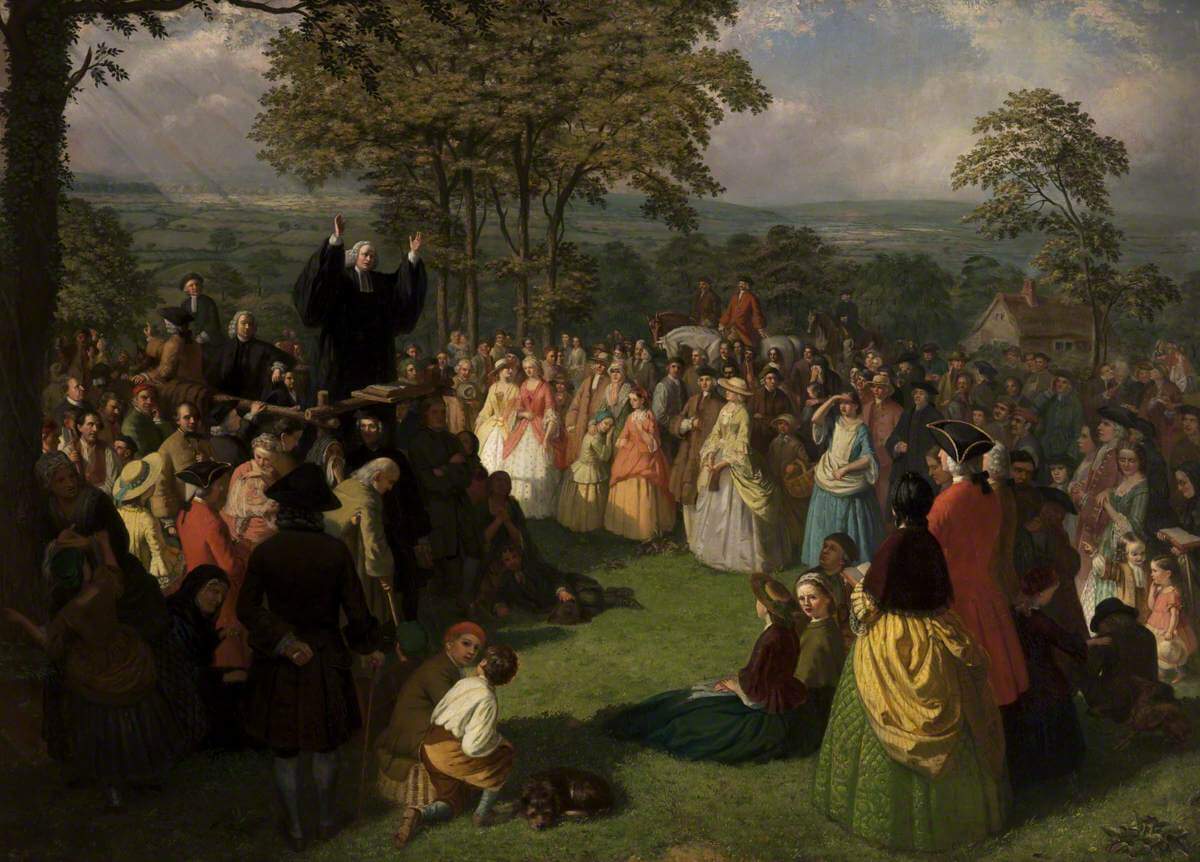
Baptists in the southern colonies experienced explosive growth during the First Great Awakening. They also began to experience increased persecution from the Anglican (state) Church in the decades before the American Revolution – persecution which convinced many Baptists of the importance of religious liberty and the fight for American independence.
In Maryland, Baptists were attacked and held under water in mock baptisms. In South Carolina, one Baptist was tried and whipped by Congregationalists, and Baptists were treated as second-class Christians. In Georgia, Daniel Marshall arrested while in prayer during a service in 1771.
That same year North Carolina Baptists, including members of the Sandy Creek Baptist Church, began fleeing the colony after the Battle of Alamance. This followed unfounded accusations by their governor that they were a part of an armed insurrection, which the governor described as “Baptists and Quakers trying to overthrow the Church of England.” The Sandy Creek Church was soon reduced from more than 600 members to 24.
The severest persecution occurred in Virginia where the Baptist struggle for religious liberty would have its greatest impact on shaping future church-state legislation. A book published in 1938, “Imprisoned Preachers and Religious Liberty in Virginia,” by Lewis Peyton Little, recorded 72 individuals who suffered persecution in colonial Virginia between 1763 and 1775. They were beaten, shot, poisoned, pelted with stones and apples, dunked, harassed, urinated upon and terrorized by mobs. Worship services were interrupted; preachers were arrested, including one occasion on the charges of “allowing a man to pray.” Forty-three were jailed, some for months, and congregations terrorized.
In 1768, John Waller was dragged from a pulpit by his hair. On another occasion while praying during worship, a local Anglican clergyman rode onto the platform and thrust the end of a horse whip into Waller’s mouth. Then Waller was dragged from the pulpit and given 20 lashes by the local sheriff. After the attack, while still bloodied, Waller “preached an extraordinary sermon, thereby showing that beaten oil is best for the sanctuary,” according to contemporary Baptist historian Morgan Edwards (1722-1792).

During these years Waller spent months in four different Virginia county jails. He and his companions Elisha Craig, James Chiles, James Reed and William Mash, preached through the windows of their jail cells to crowds gathered outside. At times as men on horseback rode into the crowds in attempts to drive them away. On one occasion the preachers were offered freedom if they would quit preaching for “one year and a day.” Refusing, they remained in jail for 43 days.
What was driving this increased persecution of Baptists before the Revolution?
Prejudice was one reason – prejudice toward the “ignorant Baptists,” as they were called in “The Virginia Gazette.” Baptists were looked down upon by the landed gentry who controlled the political and economic systems of the colonies. “Ignorant Baptists” was also used in correspondence by the Anglican clergy in their reports to the Bishop of London. Two colonial governors called Baptists preachers “strollers” a derogatory name for peddlers because of their extensive preaching tours.
Fear was another reason. By virtue of numbers, the rapidly growing band of backwoods Baptists was a threat to the existing political, economic, and social order of the day.
A new breed of Baptist was born out of the Great Awakening; they were called Separatist Baptists. Separatists were passionate about their faith, preaching to anyone who would listen. In 1750 there were only four Baptist congregations in Virginia. By 1775 that number had grown to at least 96 churches, many of which had multiple locations and preaching points.
Conviction may have been behind the persecution. The vibrant faith of the Baptists stood in stark contrast to that of Anglican clergy whom historian Morgan Edwards described as “crackers.” The passionate, unwavering faith of the persecuted may have unnerved those whose faith seemed lacking by comparison. John Waller himself had sat on a grand jury to try a Baptist preacher before his own conversion.

What was the legal basis for the persecution of Baptists?
An English law called The Act of Toleration (1689) governed dissenting religious bodies in Great Britain and the colonies. Intended to provide limited religious freedom to dissenters, it became a tool to persecute Baptists. Its provisions included the licensing of dissenting ministers who had to be examined and approved by an Anglican clergyman. Ministers’ licenses limited and listed the specific locations those ministers were allowed to conduct services. Baptist ministers could not conduct marriages. Attendance was mandatory at certain Anglican services for all citizens during the year. All citizens, regardless of denomination, were required to pay a tax called a “tithe” to support the state church.
The most common charge brought against Baptist preachers was “preaching without a license,” in violation of location restrictions of the Act of Toleration. Some were arrested for failing to attend Anglican services, others charged as “disturbers of the peace.” This persecution denied Baptists the free exercise of their religious beliefs and practice.
Taken from the 1646 Westminster Confession, the term “Liberty of Conscience” became the rallying cry of this era for religious freedom. In essence it meant no man or government should stand between an individual and his or her pursuit of God. The Baptist struggle for religious liberty, in response to persecution, had begun long before the first shots of the Revolution were fired. As will be explored in Part 2 of this series, it would lead Baptists to support those efforts once the Revolution began.

Related posts:
 Mosque lawsuit: editor, profs, ERLC, IMB weigh in
  LifeSpring Church: Keeping Missions in the Forefront
  Exoneration points to need for accuracy in criminal justice Homosexual activist group targets Bapt. schools
  FOURTH OF JULY: My favorite holiday U.S. religious freedom post filled N.Y. mayor renews pledge to churches
  Mo. religious liberty bill dies in committee