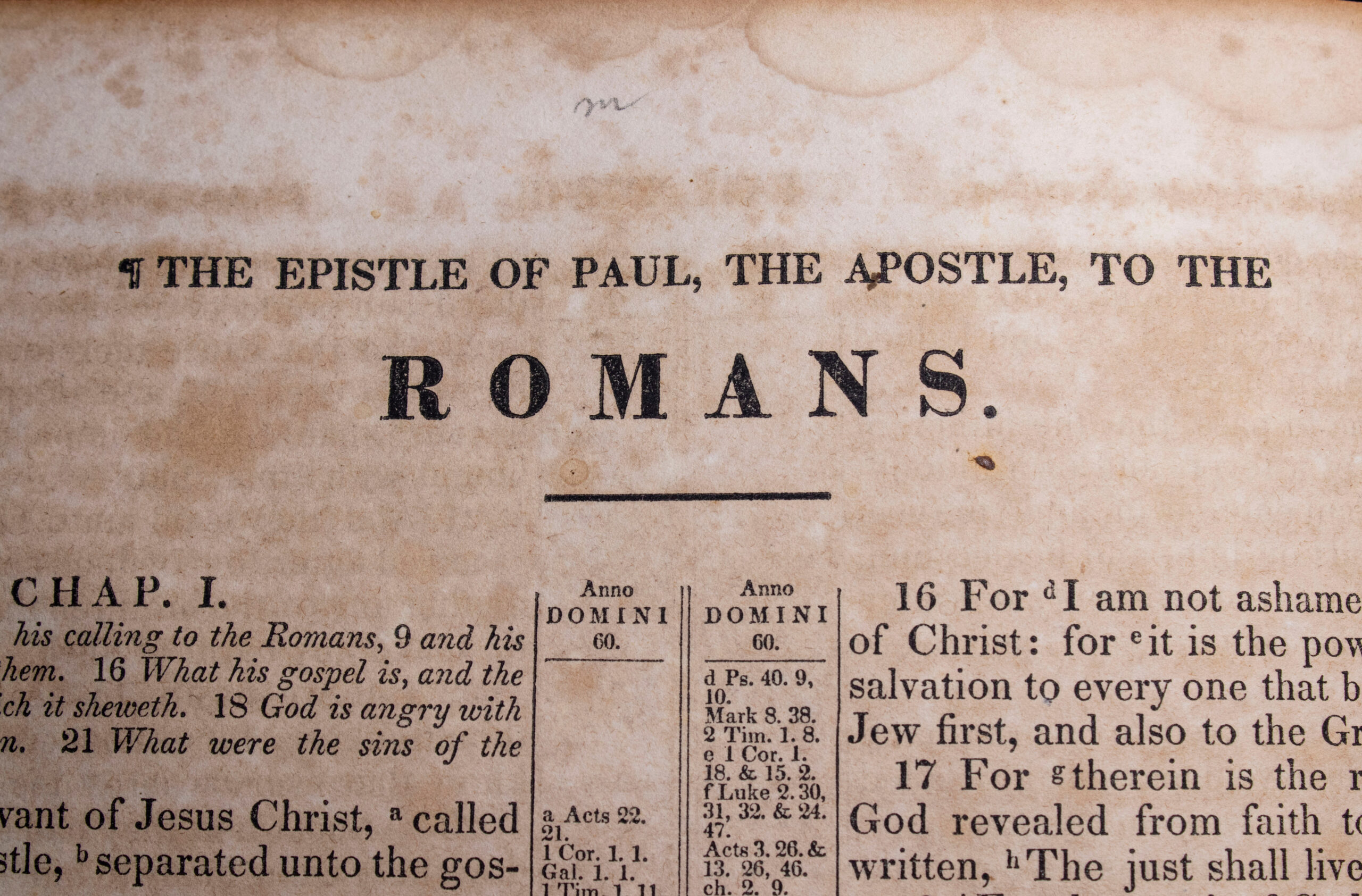


When I was a young pastor, I thought about and preached Romans the way most of us were taught. In doctrinal categories: sin (chapters 1-2), justification (3-5), sanctification (6-8), Israel (9–11) and practical duties (12-16). It was true. People were helped. But something always felt slightly disjointed. There was more to see and say about Romans.
Then one day, a key thread caught the light. Glory!
Glory is the personal, radiant, weighty, magnificent, shining splendor of all that God is in His infinite perfections. It is God’s holiness, beauty, and His sovereign infinite worth on display. Glory is not one of God’s attributes; it is the radiant sum of all and the destiny of the Church and the cosmos. In Romans, the word “glory” is mentioned 22 times.
When you read or preach straight through Romans, you cannot avoid the glory.
- Glory is stolen (1:23),
- Glory is fallen short of (3:23),
- Glory is hoped for (5:2),
- Glory is coming (8:18),
- Glory is prepared for us in Christ (9:23),
and finally, after 16 chapters of Gospel rescue,
- Glory is returned forever to the only wise God through Jesus Christ (16:27).
Romans is not merely a collection of theological topics; it is one relentless, glory-saturated Gospel argument. From Romans 1:1 to 16:27, the apostle is doing one main thing: showing how the righteousness of God rescues fallen image-bearers so that the glory that rightly belongs to God alone is restored to God alone, forevermore. Glory is not a decorative motif in Romans; it is the structural steel that undergirds the missionary letter.
Humanity was created to image forth God’s glory. We took the glory that belonged to the immortal God and “exchanged” it for images of mortal man and animals (1:23). In one damning verb, Paul summarizes the entire tragedy of the fall as glory-theft.
The wrath of God is therefore revealed against this cosmic glory-theft (1:18), because God will not be robbed; His glory is non-negotiable. Yet in the Gospel, a righteousness from God is revealed (1:17). The very righteousness that fallen humans lacked so that guilty glory-thieves can be justified “freely by his grace” (3:24).

Justification is the beginning of glory restoration. Paul points believers ahead to “rejoice in the hope of the glory of God” (5:2), and we learn that “the suffering of the present time are not worth comparing with the glory that is to be revealed in us” (8:18).
Paul explains that creation itself is groaning, waiting for the revealing of the sons of God, when it too will be liberated “into the freedom of the glory of the children of God” (8:21). The cosmos itself is part of God’s glory-project.
Because glory lost is being gloriously recovered, we are to present our bodies “as a living sacrifice (12:1) and “welcome one another as Christ welcomed you, for the glory of God” (15:7). A doxology (which means, glory-word) caps the letter of Romans, “To the only wise God be glory forevermore through Jesus Christ! Amen” (16:27).
Do you see it? Romans is not an abstract doctrinal manual with an ethical section tacked on. It is an arrow shot from Eden’s catastrophe (“they exchanged the glory”) to new creation’s consummation (“to him be glory forevermore”). Justification, sanctification, Israel, spiritual gifts, eating meat, weak and strong, every paragraph and topic in Romans serves the purpose of recovering worshipers who will freely and gladly give God the glory that sin eclipsed.
Glory, Glory lost. Glory pursued. Glory recovered. Glory forevermore.
That is the spine of Romans and the heartbeat of the Gospel.
At the birth of Jesus of Nazareth, there was a glorious angelic explosion over Bethlehem singing, “Glory to God in the highest, and on earth peace among those with whom he is pleased!” (Luke 2:14). Their message? Glory is here! His name is Jesus! Without the incarnation of Christ, glory remains distant, terrifying and unattainable. Because of the incarnation, glory has a human face, a wounded side, nail-scarred hands and an empty tomb.
One day, that same glorified Man will fill the earth with “the knowledge of the glory of the Lord as the waters cover the sea” (Habakkuk 2:14).
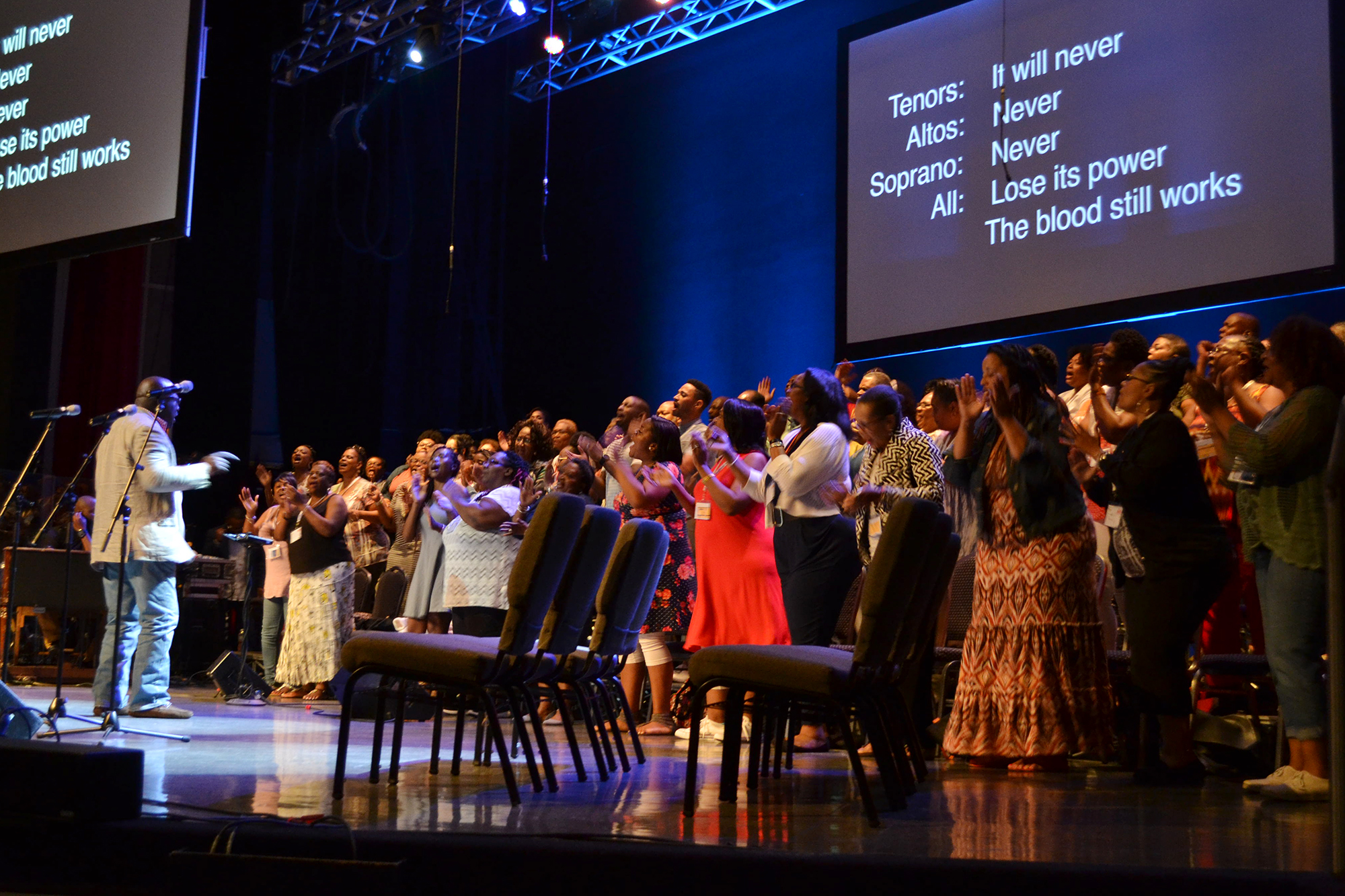
According to Romans, one day the song of the angelic heavenly host will merge with the song of the blood-bought saints of Christ from all nations singing the same truth in perfect and everlasting harmony— “Glory to God in the highest… to the only wise God be glory forevermore through Jesus Christ!”
Merry Christmas, glory forevermore, Amen!
Related posts:
 FIRST-PERSON: Doctrinal fidelity without methodological conformity
  The Authority of the Bible
  Sports betting ‘factors out God’ but pastoral help for gamblers waning
  FIRST-PERSON: Training for the souls of men
  ‘But seriously folks’: Humor’s role in pulpit assessed
  ETS regional meetings: ‘a joy’ for SBC seminaries The Church ~ Considering Congregational Polity
  FIRST-PERSON: Spiritual formation in the Age of the Algorithm