
Editor’s Note: The following is an adapted excerpt from “Making Friends with Darkness: Finding Spiritual Healing After Trauma or Loss.”
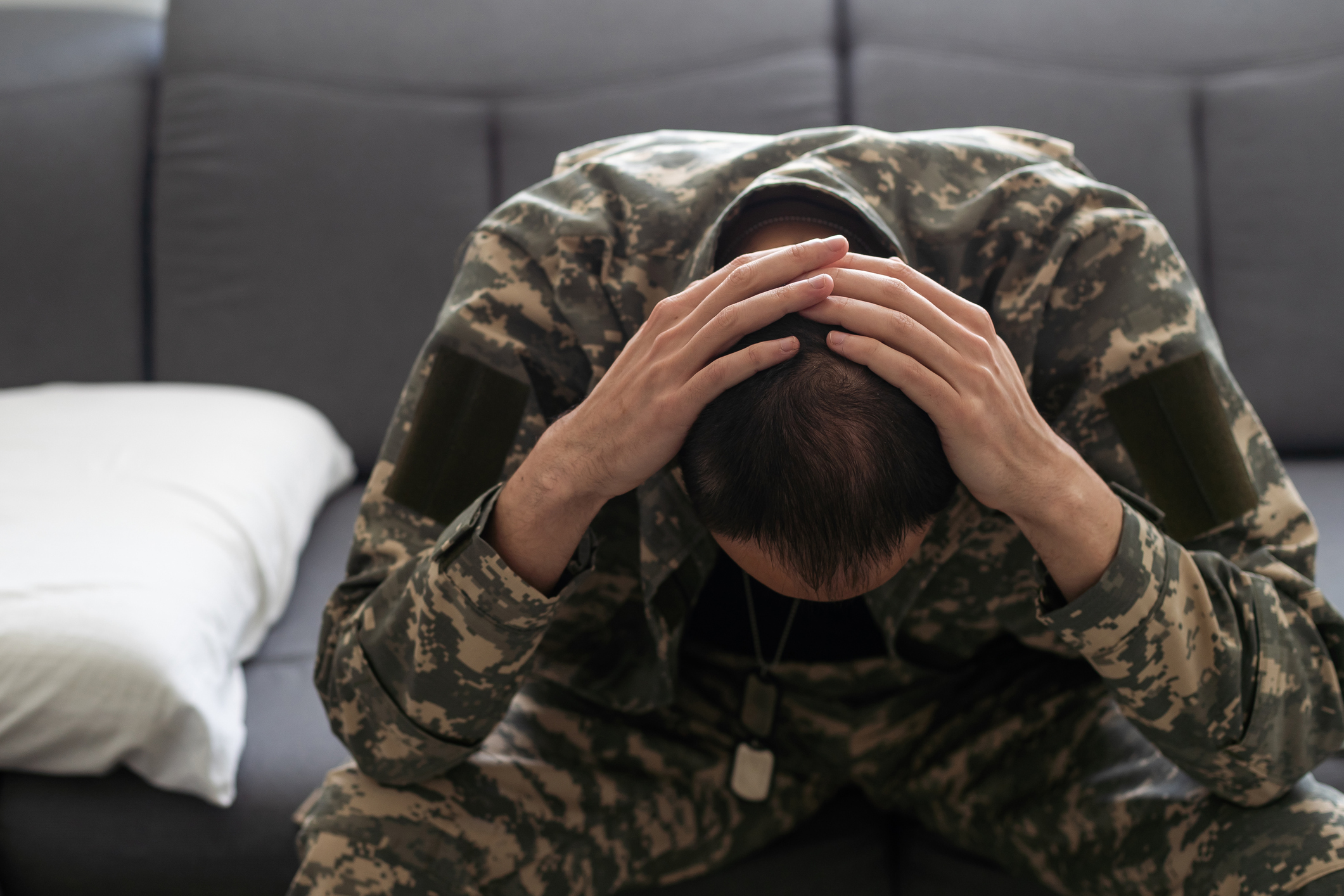
In a few short months, the United States will celebrate 250 years as a nation. Already in 2025, the Army (June 14), Navy (Oct. 13) and Marine Corps (Nov. 10) have celebrated 250 since their inception. Lesser known however is that the Army and Navy Chaplain Corps also celebrate 250 of ministry to those who serve, and bear the mental, physical, emotional and spiritual scars of war.
Every generation of veterans bears these scars. My work as a chaplain included countless conversations with men and women in life’s most difficult moments.
As a result, nearly everyone I have ever met asks some version of these questions when tragedy strikes: “God, why did this happen? God, where are You?” In fact, people have often said to me, “It feels like God is not there,” as they deal with the aftermath of trauma and traumatic loss.
Human beings have suffered through war, disease, abuse and natural disasters since the beginning of time. But the inevitable question that most people have, the one that has plagued humanity throughout its existence is: “How could this have happened if there really is a God who loves me and is as powerful as He claims to be?”
So, if you have ever struggled with questions like these, welcome to the human race. You are not alone.
In Psalm 22, David demands: “’My God, my God, why have you abandoned me? Why are you so far away when I groan for help? Every day I call to you, my God, but you do not answer. Every night I lift my voice, but I find no relief’ (vv. 1–2 NLT).
David describes feelings of abandonment and isolation. He finds no answers and no relief in his searching, and he wonders aloud why God feels so distant. We see that his emotions are raw; he groans for help. David’s questions are our questions; his emotions are our emotions.
People tend to react to such emotional questions in the aftermath of trauma in one of several ways. First, some people say, like David, “I find no relief.” But they go one step further and say something like, “There are no answers to my questions, so what use is religion? If there is a God, how could He allow all of this to happen? I cannot believe in God.”
For others, the questions seem to be too much. Like David, their questions are not answered, and they find difficulty in the constant groaning of their emotional state. So instead, they prefer not to think about their pain. They focus on distracting themselves so that they don’t have to think about their trauma.

Still others respond with what I call a “but God” mentality. They also cannot find answers to their questions, so they stop asking them. They too quickly move from the hurt and pain of the trauma to saying, “But God is good, and I trust Him.” While it is important to continue to trust God in the aftermath of trauma, some people can deny their own emotions in the process. This denial of very real human emotions, feelings that David freely expresses, often leads to religious and psychological dysfunction.
Finally, some people think that their emotional reactions to the grief of a traumatic experience represent a problem. This is actually very common in the Western world, where culture places extreme value on happiness and positive emotions. Trauma survivors don’t like how their emotions make them feel, so they tend to think that something is wrong because they are having normal emotional responses. Yet David freely expresses these more difficult emotions. He lets them out and engages with both the feelings and their sources. Modern culture should follow the example of his ancient wisdom.
Maybe part of the problem is that you have been taught not to question God. You think that somehow these questions are inappropriate, or even wrong, to ask. Yet if we are honest with ourselves, we have all had these questions at some point in our lives. The questions may be buried deep somewhere in your psyche, somewhere that you don’t like to go, but they are there nonetheless.
To be human is to experience pain and suffering. But it is also normal for humans to have emotional responses and to ask these types of questions. Some people bury the questions; others shout them defiantly. For those who have served our nation in the Armed Forces, and for all of us, in order to find healing in the aftermath of whatever traumatic loss has visited your life, you must acknowledge your humanity and give yourself permission to let the questions out, for to have such questions is to be human.
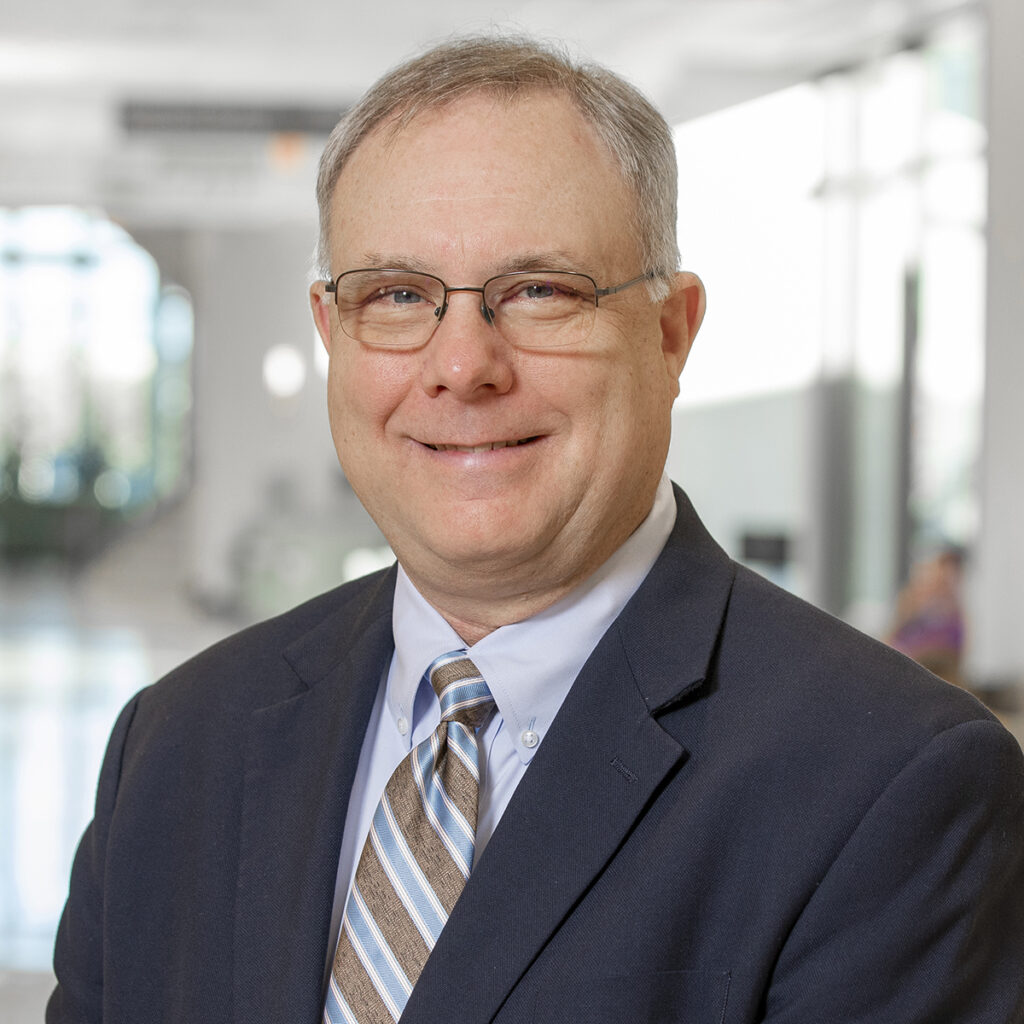
Nick Hamilton is the author of “Making Friends with Darkness,” released by B&H Publishing and served as a chaplain for 25 years, first in the military and after retirement from the Navy, in healthcare. As the Director of Spiritual Care for Baptist Health of Central Alabama, he led a team of 11 chaplains through the COVID-19 pandemic. As a Navy chaplain, he served on an aircraft carrier on 9/11, deployed to Iraq with Marine Corps ground forces and served as a chaplain inside Guantanamo Bay detention facility.