
ATLANTA — Gov. Brian Kemp signed legislation on Monday, May 11, adding clergy to Georgia’s improper sexual contact statute, creating a pathway for prosecutors to pursue charges when ministers use positions of spiritual authority to obtain sexual contact through counseling relationships.
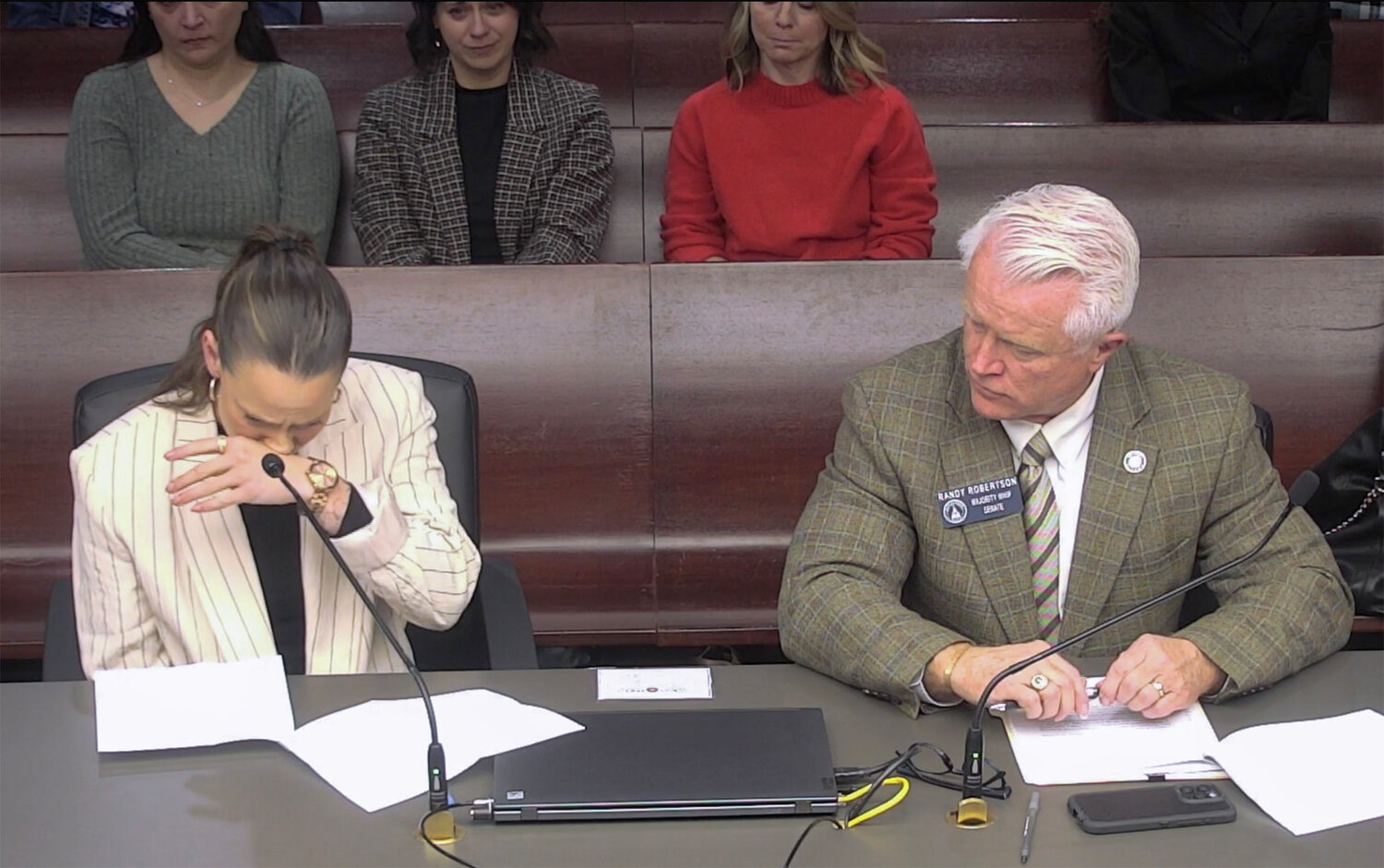
The legislation, authored by Sen. Randy Robertson, places clergy alongside other authority figures already covered under Georgia’s improper sexual contact statute. Advocates said the law recognizes the unique power imbalance that can exist when spiritual authority is used for exploitation.
Supporters of Senate Bill 542, which was passed unanimously in both the Senate and the House, said the measure closes a longstanding gap in Georgia law.
During debate on the House floor, House Majority Leader Chuck Efstration said the bill addresses the misuse of influence within counseling and ministry relationships.
“Spiritual authority creates an imbalance of power between clergy members and congregants,” Efstration said, explaining that the legislation is intended to protect vulnerable people seeking counseling, guidance, and healing.
Rep. Stacey Evans, D-Atlanta, described the measure as an opportunity to close “a hole in the law that’s really hurting real people.”

Georgia Baptists publicly supported the legislation throughout the session, describing it as an important accountability measure for churches and ministry leaders.
Mike Griffin, public affairs representative for the Georgia Baptist Mission Board, previously told lawmakers the bill could also serve as a teaching and accountability tool for churches and ministry leaders statewide.
“This bill, I believe, can be used as an educational tool,” Griffin said during committee testimony earlier this year. “I think it reminds people of the responsibility we have to protect others, and accountability and criminal charges are needed.”
Robertson told lawmakers the bill is not aimed at religious liberty or legitimate ministry activity, but rather at situations in which spiritual trust and authority are manipulated for sexual exploitation.
“I intend for it to apply to anyone in a leadership position within a church, from the chief pastor all the way down,” Robertson said during legislative debate.
The legislation drew emotional testimony from survivors who urged lawmakers to recognize that clergy sexual abuse often occurs through coercion, manipulation, and spiritual pressure rather than physical force.

Among those speaking in favor of the bill was survivor Hayle Swinson, who was victimized while a student and employee at Truett McConnell University. She told senators that abuse by clergy frequently begins with trust and spiritual influence.
“Adult clergy sexual abuse is real,” Swinson testified during a Senate committee hearing earlier this year. “It does not begin with force. It begins with trust, a pastor, a mentor, a person with spiritual authority who’s saying you can trust me, this is God’s will, all while violating you at the same time.”
She said survivors frequently seek “faith, guidance, belonging, or healing,” and described how authority can be used to groom and coerce.
“Scripture is twisted to justify,” Swinson said. “Isolation is normalized, and boundaries are slowly eroded. … This is not consent. This is coercion through power.”
She argued that the absence of a clear legal pathway in Georgia discouraged reporting and allowed abuse to continue unchecked.
“This is why the law must change,” Swinson said. “Silence protects systems, but the law is supposed to protect people.”
Supporters repeatedly emphasized that the legislation is intended to strengthen trust and accountability within churches rather than undermine them.
“SB 542 is not about targeting the faith community,” Rep. Scott Hilton, R-Peachtree Corners, said during House debate. “It’s about protecting it.”
The legislation places Georgia among a growing number of states adopting laws specifically addressing clergy sexual abuse and spiritual coercion.
This story originally appeared at The Christian Index.

Related posts:
 EC workgroup’s sex abuse report draws varied responses
  NEWS DIGEST: NAMB terminates agreement with Future Church; Former Illinois pastor arrested for grooming minor
  Pastor’s second-grade teacher’s impact drives his educational outreach
  Georgia Baptists back bill that would criminalize ‘improper sexual conduct’ from clergy
  FIRST-PERSON: Bart Barber’s opening comments in the presidential press conference
  Georgia church uses tiny houses to build neighborhood of hope
  LaVergne Community Church unites nations in onsite worship in five languages
  Former SC youth leader charged with two counts of sexual abuse