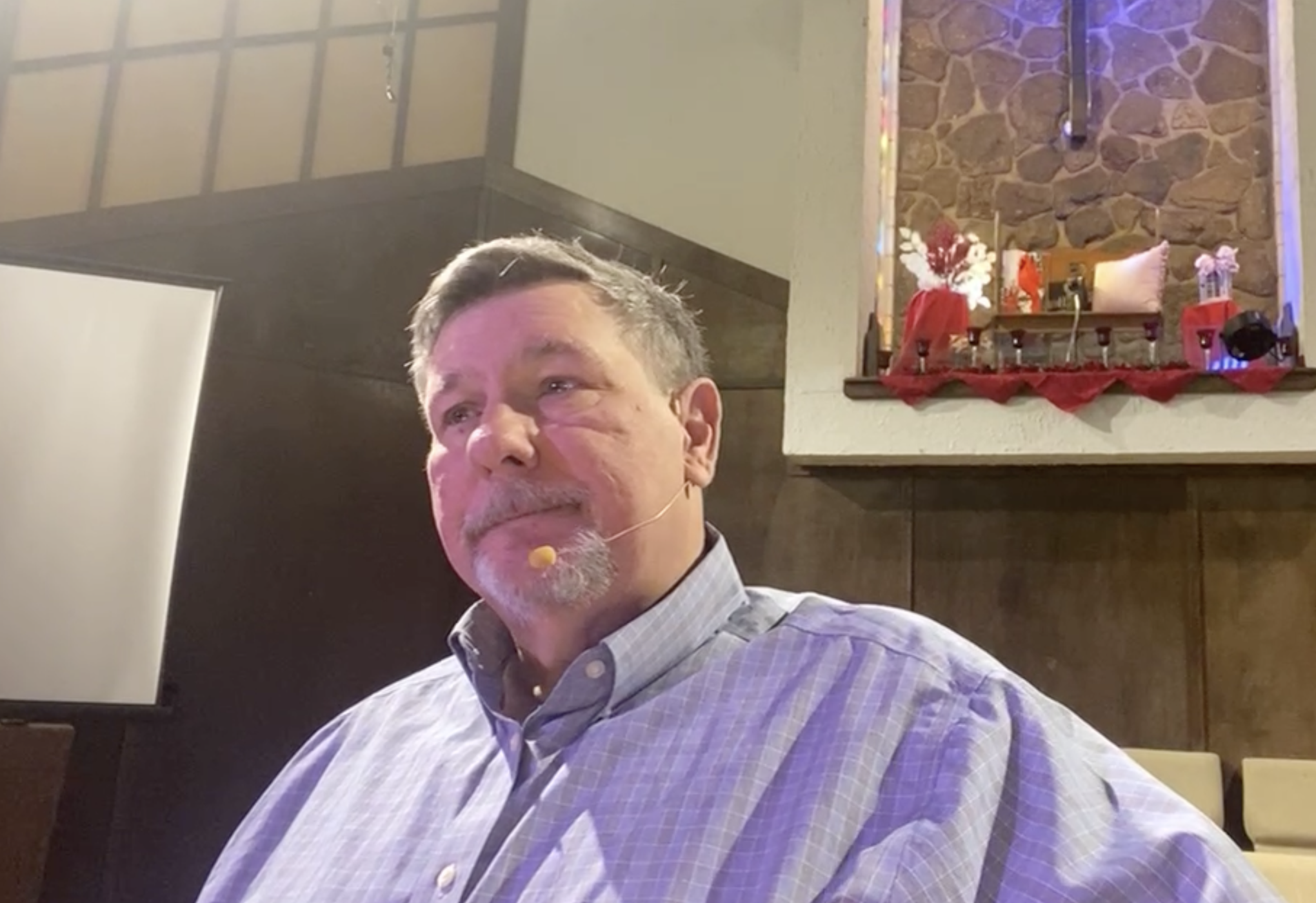

WAGONER, Okla. (BP) – Rick Boyne was in choir practice on Feb. 8 at Immanuel Southern Baptist Church when the church treasurer pulled him out and said something less than encouraging.
“Pastor, we’ve got a problem.”
“I’d heard that before, but nothing like this was going to be,” Boyne, pastor at the church since 2007, told BP.
The church’s bank account was practically empty, he learned. The building fund, savings account, the youth and children’s account – all had been drained. They attempted to call the bank’s fraud department but didn’t get an answer on a Sunday. So, they sent an email and made a report with the police department.
The church also changed its password, but that didn’t prevent the remaining $20,000 in the account from being swiped before the bank’s fraud department could intervene. Altogether, $85,907.27 was taken from the account.
“I never thought this would happen to us,” said Boyne.
The last $20,000 was added back to the church’s account Monday evening, but stolen again. The investigation is ongoing, but one possibility is that a keylogger program was secretly installed. Boyne spent much of his time at the bank on Monday and Tuesday sorting things out and creating new accounts.
“I also took our laptops in to get them completely wiped,” he said.
FBI statistics say account takeovers resulted in more than $262 million in losses across more than 5,100 complaints last year.
Brandon Waldeck, GuideStone Financial Resources director of enterprise risk management, pointed out that most hacks include a human element that opens the door to a bad actor accessing a computer system and/or financial account. Steps can be taken to lessen the possibility.
“Utilize multi-factor authentication whenever possible, especially on email and financial accounts,” he said. “Also, avoid allowing employees to access sensitive accounts through unprotected or public internet connections, such as coffee shop Wi-Fi or networks without a password.”
Training is crucial. Educate employees on recognizing suspicious emails. Emphasize not clicking on unexpected links or files.
“Set up alerts with your bank for transactions over a certain amount or logins from a new device,” said Waldeck. “Text alerts are preferable, as they are likely to be seen more quickly.”
Boyne says Immanuel will tighten protocols. On Feb. 8, the treasurer was doing a monthly check-up on the account. Since the last time he had done so, 16 suspicious withdrawals had occurred in previous weeks. They ranged from $87 to over $15,000 and were tagged to a fictitious gutter company in Indiana. He’s unsure why they never received a fraud alert.
If a breach has occurred, Waldeck encouraged three actions (that Immanuel has already taken).
“Contact your bank immediately to report the fraud and request a recall or reversal,” he said. “Update all compromised login credentials without delay. And file a complaint with the Internet Crime Complaint Center.
It’s important to remember that Boyne heard about the theft during the first hour of church. He still had a sermon to preach. It was based on Revelation 2:1-7 and titled “Rekindle the Flame,” leading into revival services that start tomorrow night (Feb. 11).
“I was pretty distracted until I got ready to preach,” said Boyne, who told the church news of the theft before video of the services began. “But then I started, and I got focused. God gave me a peace about how Satan takes things away, but the Lord restores.
“Some goobers stole from us, but we’re privileged to suffer for the Lord in this. What Satan meant for evil, God will use for good.”