NASHVILLE (BP) – States that have approved or are pursuing legislation protecting houses of worship from would-be protestors deserve accolades for protecting a foundational right, said incoming Ethics & Religious Liberty Commission president.
“The First Amendment right to free exercise of religion is a bedrock principle of our American society,” said Evan Lenow, who will officially begin his role June 1. “It is both a constitutional duty and a God-given responsibility of the government to maintain peace and order. One application is protecting the right of churches to gather in worship without fear of disturbance or harm. This year’s jarring events in St. Paul revealed that some seek to threaten this basic right.”
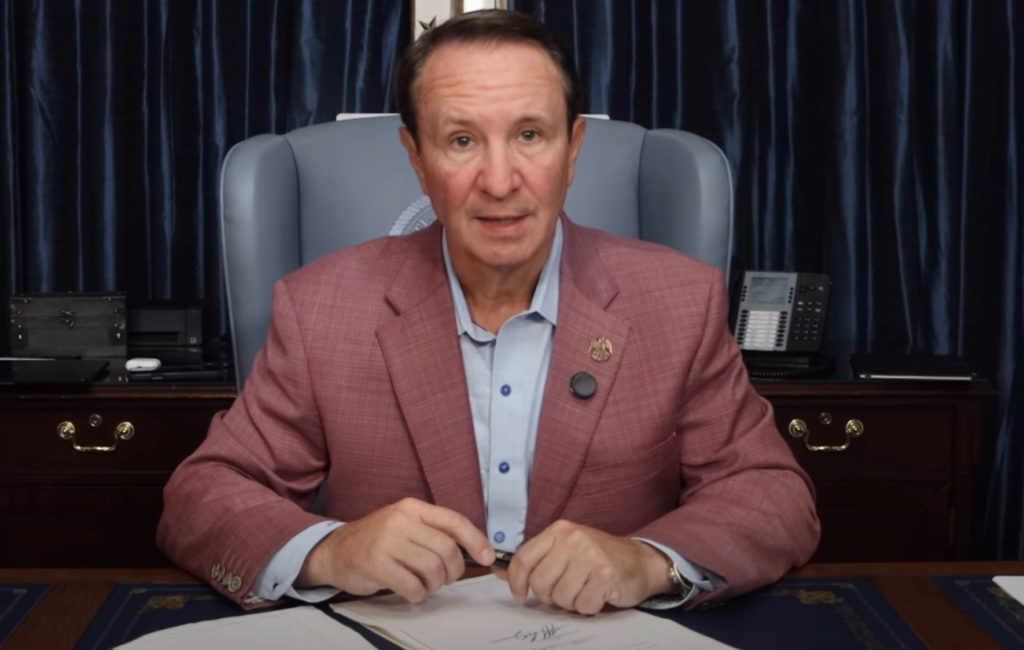
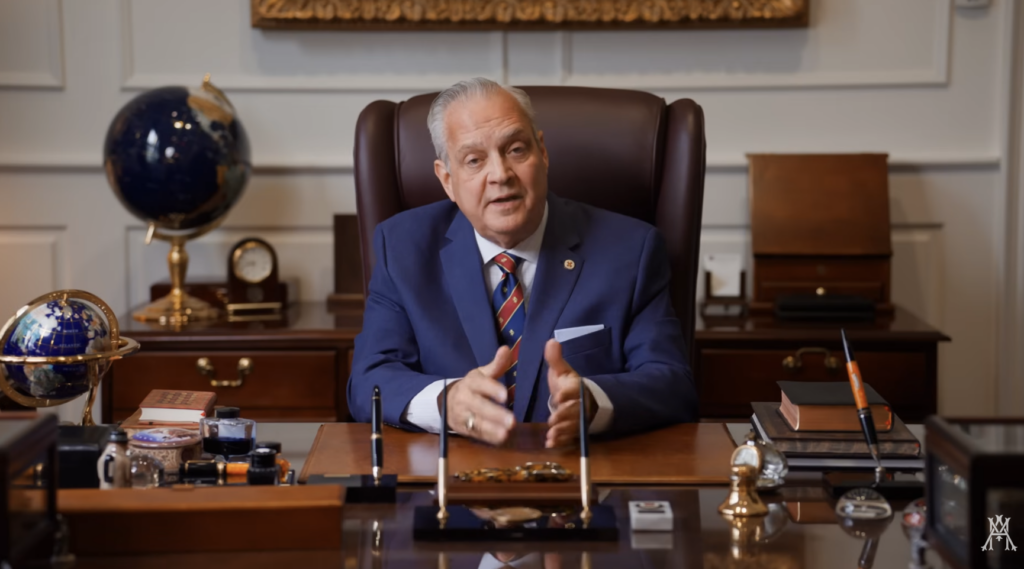
In a video posted on social media Louisiana Gov. Jeff Landry explains his support for two bills he's just signed that protect the right to worship free from intimidation.
In January, a group entered Cities Church, a Southern Baptist congregation in St. Paul, Minn., and proceeded to stand up at a coordinated time in the worship service to protest a pastor’s alleged connection to Immigration and Customs Enforcement (ICE). An affidavit later explained how the protestors “intimidated, harassed, oppressed, and terrorized the parishioners, including young children.”
Several states fast-tracked bills to protect houses of worship from similar occurrences. Oklahoma was the first, with a first offense punishable by a fine of up to $500 and a year in county jail. Subsequent offenses double the fine, plus two years in state prison. The law also establishes a buffer zone of 100 feet from a house of worship and at least 8 feet from anyone entering or exiting the property.
Governors in South Dakota and Idaho have signed bills, the former going into law upon its signature on March 10. Idaho’s law goes into effect July 1, also the date one in Kansas becomes part of the state code. That came about although Kansas’ Democratic governor didn’t sign the bill, but she didn’t veto it either.
South Dakota’s law raises the law from a misdemeanor to a felony, with punishments going from one year in county jail and up to a $2,000 fine to two years in state prison and a $4,000 fine. An even stricter house bill failed to pass that would’ve delivered a Class 5 felony to anyone who entered a church or even came within 5,000 feet of one with the intent to disrupt or intimidate.
“The preeminent thing on Christians’ minds at church should be worshipping Jesus, not fearing for their safety or worrying about interruptions – and the government has a fundamental responsibility to support this purpose,” said Lenow.
Two bills in Louisiana address the issue. One allows protestors to be forcibly removed by church congregants, though it doesn’t protect the latter from being sued should the force be “grossly disproportionate to the force” of the trespasser. The other makes it a crime to intentionally disrupt church services or religious ceremonies. Gov. Jeff Landry signed both.
Minnesota lawmakers have also introduced a bill that is currently in committee. The parameters to be guilty are narrower than the versions in conservative states, though, as someone must enter a religious establishment with the explicit intent to disrupt a worship service and actually commit a crime while there. First offense would be a gross misdemeanor, with subsequent offenses becoming a felony.
A bill in Ohio – whose General Assembly runs year-round – remains in committee. Another introduced in Alabama made it to a Senate subcommittee, but did not make it to the floor for a vote.
National Foster Care Month: engage with healing, availability
NASHVILLE (BP) – Churches and communities provide a strong hand in helping those in the foster care system, says author Mary Ann McMillan. Whether it’s through counseling services, respite care or long-term care for families and children, they are important for closing the gap between the number of available homes and foster children in the system.
There are more than 365,000 children and youth in foster care, up from nearly 329,000 after a six-year decline. The need for homes hasn’t kept pace, to say the least.
The Imprint, a nonprofit, independent news outlet covering child welfare, created the Who Cares Project to track foster care capacity across all 50 states. The project is a key measurement for the federal government’s “A Home for Every Child” goal of a 1:1 ratio of foster homes to a child needing one.
The group’s data recorded 178,026 homes in 2025, a 2:1 ratio.
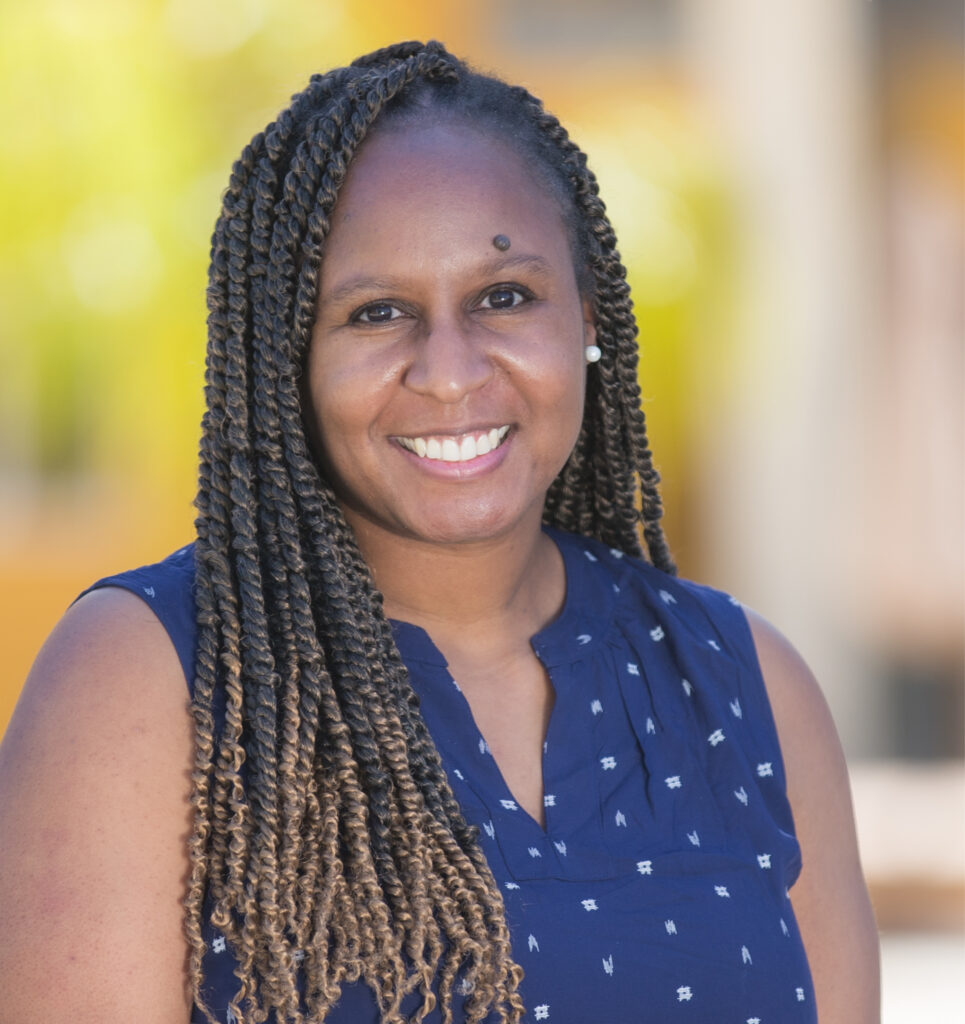
Mary Ann McMillan
McMillan is an assistant professor in the Department of Criminal Justice at Azusa Pacific University whose doctoral work focused on orphan care in Rwanda. She is also a former foster youth and adoptee. She writes about those experiences in “Bridging Resilience: A Guide to Healing for Adoptees and Former Foster Youth, Families and the Leaders Who Walk with Them,” to be released this summer.
It is her third book. She has also contributed to numerous academic articles and blog posts as well as spoken at churches, conferences, universities and nonprofit events. Her humanitarian and faith-based work has taken her to more than 30 countries.
In foster care, she stressed, patience is a gold standard virtue.
“Healing is possible, but it cannot be forced,” said McMillan. “Every adoptee and former foster youth processes their story differently and on their own timeline.
“My hope is that people learn from my book to be more informed, more compassionate and more willing to listen. Not every story fits a simple narrative, but every child deserves to be seen in their full humanity.”
McMillan, who has shared her story before, entered foster care at five months old. She was adopted at 6 years old. By then, she had been in at least four different foster homes.
Though she was young, memories of loss remained with her even as she and her sister were adopted by their last foster mother. It wasn’t until she was in college that she began to truly process the emotions, sense of loss and connecting her story to God.
The death of a brother she barely knew nevertheless impacted her deeply.
“That experience led me into therapy for the first time,” she said. “Later, while working overseas in ministry and repeatedly sharing my story, I began processing even more deeply what adoption and foster care had meant in my life.
“As an adult, I now understand the complexity more clearly. My birth family carried their own pain and limitations. My adoptive mother did the best she could with the resources that she had during that time. And at the same time, foster care and adoption carry lifelong layers of grief, identity questions and belonging that are often not fully understood.”
McMillan became a Christian while attending the University of North Georgia, where her experience through the Baptist Collegiate Ministries became foundational for her future work.
“I started my missions journey through the BCM, and every spring and summer, I went overseas or locally to do missions,” she said. “Ken Jones was an incredible campus minister.”
Before then, she had struggled with feelings of being unwanted. Her faith, though, became the first place where she began to understand that even if she didn’t have the earthly family she wanted, she had a Heavenly Father who loved her and wouldn’t abandon her.
“That truth became foundational for me,” she told BP.
People came and went early in her life, making trust a difficult concept to accept.
“I learned early to rely on myself, and I still struggle with abandonment and rejection patterns today,” she said. “My faith has not removed those struggles, but it has grounded me through them.”
Those new to foster care or thinking about engaging may be prone to some misconceptions, she added.
One of them is thinking adoptees should simply be grateful. Being welcomed into a home doesn’t erase the damage brought by trauma, separation and loss. However, that doesn’t mean adoptees can’t be thankful for opportunities later in life.
“Both realities can co-exist,” she said.
Another is the idea of a “broken” foster youth. “While many of us carry trauma, we are not defined by it. Many former foster youth go on to live stable, meaningful, and successful lives, though healing is often ongoing,” McMillan said.
She also warned against the perception that achievement overcomes internal struggles. College degrees and a successful career do not make trauma disappear. Former foster youth continue dealing with anxiety, grief and emotional complexities into adulthood.
A healthy foster family relationship is nurtured through the little things, she said. Speak respectfully about the biological family and be clear that reunification is the goal, when possible. Allow children to express grief. Include them in family traditions. Protect them from harmful dynamics and comments. Make them feel included, not different.
Language is also important. Like other adoptees, McMillan struggled with the term “Gotcha Day.” She suggests something like “Family Day,” celebrating everyone and not just the adopted child.
“One of the most important things I want foster and adoptive parents to understand is that children will always have another family,” she said. “That reality does not go away in adoption or foster care.”
She feels her book can address those complex issues.
“My hope is that people learn to be more informed, more compassionate, and more willing to listen. Not every story fits a simple narrative, but every child deserves to be seen in their full humanity.”
ORLANDO (BP) – Two candidates have announced their willingness to be nominated for the office of president of the Southern Baptist Convention– Florida pastor Willy Rice and South Carolina pastor Josh Powell. Powell will be nominated by Tennessee pastor Jay Hardwick. Rice announced his candidacy in an online video; it is unknown who his nominator will be.
The candidates sat down with Baptist Press for interviews covering the current state of the SBC and the issues or priorities that would define their term as SBC president.
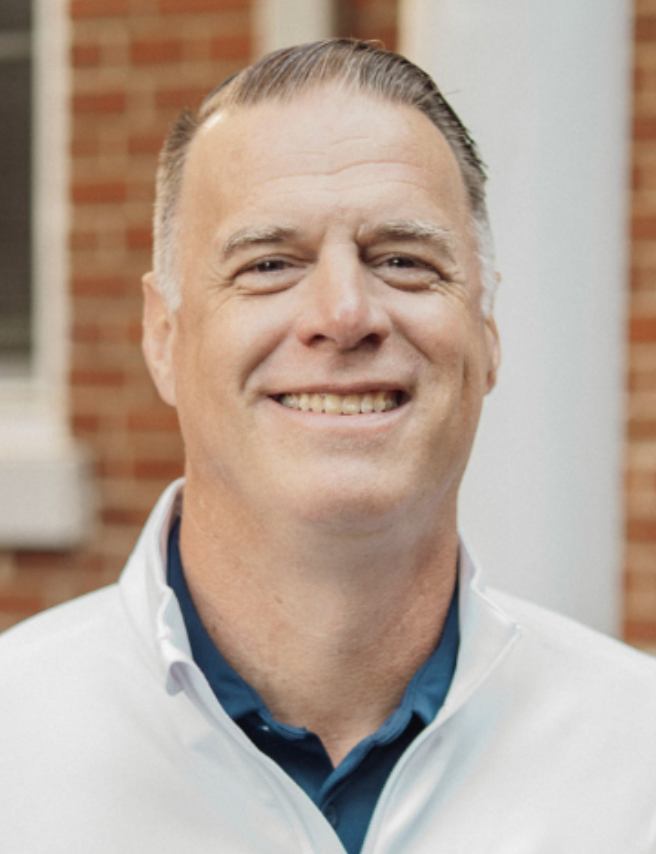
Willy Rice
Rice contends that recent debates in the SBC have damaged trust and diminished support of the Cooperative Program. (Read his BP interview here. See the video here.)
Pastor for the last 22 years of Calvary Baptist Church in Clearwater, Fla., Rice put forward his thoughts on what’s needed in the SBC at his own website. There, he lists seven “pillars” for renewal, the first of which is convictional clarity.
Willy Rice
“We’re living in an age where I just think that is so important,” he said. “I’m looking for people who really have that kind of convictional grounding … people who are willing to lean in and engage. We need people who are willing to speak up, ask tough questions and are excited about … the opportunity to serve … [to] see it as an opportunity to be engaged in the process.”
Rice said he has supported recent proposed amendments to the SBC Constitution regarding the role and function of a pastor, but he also proposes a task force that would study the issue and bring a report to more clearly define terms.
“I really believe the overwhelming majority of Baptist people would be united [through] a clearly written report that says, this is what Baptist people think, this is what we believe, this is what the New Testament says, and these are appropriate recommendations coming out of that,” he said.
As the annual meeting’s presiding officer, Rice said he would leave plenty of time for business. While he appreciates times of singing and inspiration, he believes “there’s sometimes a frustration of messengers. … You get to important matters of debate, and you seem to run out of time,” he said.
Josh Powell
Powell acknowledges that the SBC has had its problems and challenges. “Cooperation is hard,” he said. (Read his BP interview here. See the video here.)
“[But] there are two options we can take. There are those in the convention [who] want to focus on our problems … to talk about them all the time. I would rather focus on the priorities, because I believe that … you cannot focus on the priorities and the problems at the same time.”
Josh Powell
Powell also supported the failed attempts to amend the SBC Constitution in recent years, but also believes other avenues for solving the issue are available.
He recommends a reevaluation of the SBC Credentials Committee. One of the recommendations by 2024 Cooperation Group was to decouple the Credentials Committee from the SBC Executive Committee and have it report directly to the messengers, for instance.
“The Convention approved those recommendations, and then they weren’t put into place,” Powell said. “I still think that’s the best way to handle it.”
As for a meeting over which he would preside, Powell said, “I just want to create a meeting that is God-glorifying, Christ-exalting and mission-focused to who we are,” he said. “So let’s address the things we need to address. Let’s deal with those things. I want to create that kind of atmosphere for our messengers.”
Other candidates announced thus far include:
First and second vice president
Craig Carlisle, current SBC second vice president, will be nominated for first vice president. He is the only known candidate so far. Carlisle is associational mission strategist for the Etowah Baptist Association in Alabama and a member of First Baptist Church in Gadsden, Ala. He will be nominated by Charles W. Smith, member of Redemption Church near Mobile and president of the University of Mobile.
Two pastors have announced their willingness to be nominated for SBC second vice president – Kentucky pastor Austin Rouse and North Carolina pastor Allen Murray.
Rouse, pastor of families and students at Southern Heights Baptist Church in Russellville, Ky., will be nominated by Michael Schultz, senior pastor of Antioch Baptist Church in Lewisburg, Ky.
Murray, Mt. Pisgah Baptist Church in Supply, N.C., will be nominated by Chris Griggs, lead pastor of First Baptist Church Welcome, N.C.
Recording secretary
Jonathan Greer, pastor of Franklin Creek Baptist Church in Moss Point, Miss., will be nominated by Tyler Armstrong, pastor of Woodward Avenue Baptist Church in Muscle Shoals, Ala.
Travis Kearns, associational mission strategist for the Three Rivers Baptist Association in Taylors, S.C., will be nominated by Denny Burk, Southern Baptist Theological Seminary professor and an associate pastor at Kenwood Baptist Church in Louisville, Ky.
George Schroeder, pastor of First Baptist Church in Fairfield, Texas, will be nominated by Dean Inserra, pastor of City Church in Tallahassee, Fla.
Registration secretary
Current SBC Registration Secretary Don Currence is the only announced candidate for the position for the next year. Currence, administrative pastor of First Baptist Church Ozark, Mo., and mayor of Ozark, will be nominated by Jay Adkins, pastor of First Baptist Church Westwego, La.
Pastors’ Conference president
Wayne Bray, pastor of Upstate Church, a multi-site church in South Carolina, is the only announced candidate for president of the 2027 SBC Pastors’ Conference, to be held in Indianapolis. Bray will be nominated by Ted Traylor, pastor of Olive Baptist Church in Pensacola, Fla. The election for pastors’ conference president will take place during this year’s conference, June 7-8.
Elections for SBC officers will be held during the 2026 SBC Annual Meeting, June 9-10 at the Orange County Convention Center in Orlando.
Canadians see split between religious beliefs and truth, State of Theology finds
BRENTWOOD, Tenn. — Canadians don’t think religious belief is about objective truth, and their religious beliefs demonstrate that reality.
The new State of Theology in Canada Study surveyed more than 3,000 Canadians on 35 questions. Conducted by Lifeway Research and sponsored by Ligonier Ministries, the study sought to gauge the theological and cultural beliefs prominent in Canada.
“With the State of Theology survey, we want to reveal what people really believe about God and His Word – both outside the church and inside the church,” said Chris Larson, chairman of the board for Ligonier Ministries Canada.
“We hope these survey results can highlight key areas where people more broadly, and churches specifically, may be influenced by cultural ideas that contradict the truth of Scripture. And the aim in all this is to equip Christians for intentional discipleship, to bring a biblical corrective to widespread, false and destructive ideas.”
Scott McConnell, executive director of Lifeway Research, agreed and noted that “most Canadians may not relish their views being compared to the Bible, as fewer than 2 in 5 say it has authority or is completely accurate.”
Canadians aren’t looking to religion or the Bible for conviction and expertise. Half (51 percent) agree religious belief is not about objective truth, 23 percent disagree and 25 percent aren’t sure. Additionally, only a third (34 percent) believe the Bible has the authority to tell us what we must do. Most (56 percent) disagree, with 38 percent strongly disagreeing, and 10 percent aren’t sure.
“Across theological questions, Canadians have diverse views, and the places where the most Canadians share the same theological views reflect pluralistic thinking,” McConnell said. “Yet, it is interesting to see some beliefs where a majority agrees with the Bible and others where a clear majority has other views.”
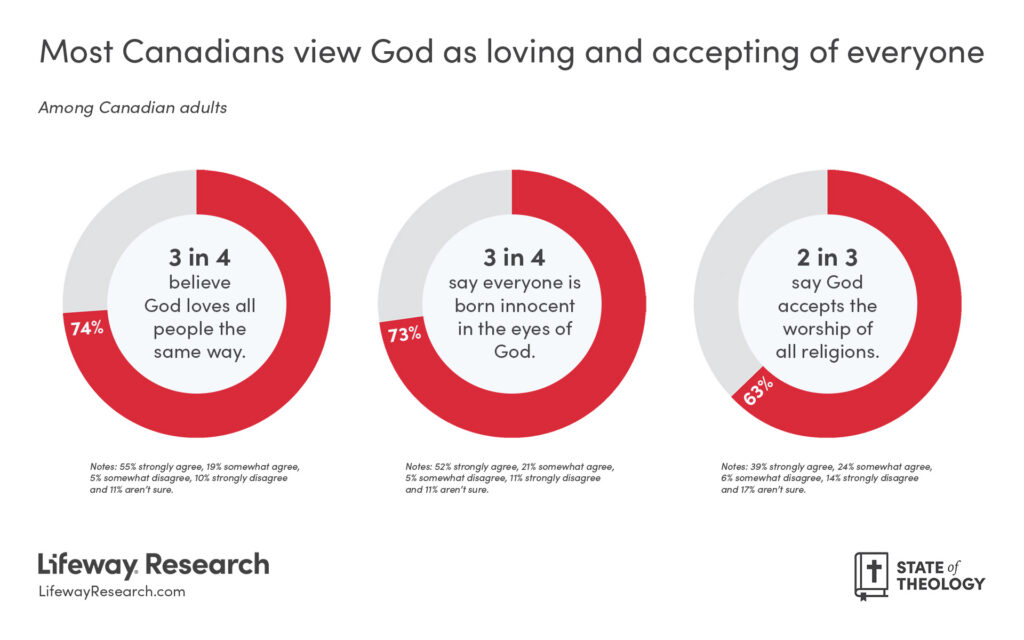
Canadians are more sure about God’s love and acceptance of everyone than other issues in the State of Theology. Three in 4 (74 percent) say God loves all people the same way, and 73 percent believe everyone is born innocent in the eyes of God. Almost 2 in 3 Canadians (63 percent) believe God accepts the worship of all religions. One in 5 (20 percent) disagrees.
Close to 3 in 5 (59 percent) believe God is unchanging, while 20 percent disagree. Most (52 percent) say God is a perfect being and can’t make a mistake. A third (33 percent) disagree.
Canadians are split over God’s concern about their daily lives. Two in 5 (41 percent) believe God is unconcerned with their day-to-day decisions, while 42 percent disagree.
Most Canadians (56 percent) believe there is one true God in three persons: God the Father, God the Son and God the Holy Spirit, but they aren’t clear about the specifics. The same percentage (56 percent) say Jesus was a great teacher, but He was not God. Similarly, 58 percent agree the Holy Spirit is a force and not a personal being.
Half of Canadians (48 percent) agree the biblical accounts of Jesus’ physical resurrection are completely accurate. The rest are split between those who disbelieve that the resurrection actually occurred (28 percent) and those who aren’t sure (24 percent).
“About half of Canadians are Catholic or Protestant Christians, and there are few biblical beliefs that more than half of Canadians embrace,” McConnell said. “There isn’t any social desirability drawing Canadians to agree with biblical beliefs. Either they believe the Bible and the God of the Bible or they don’t.”
Eternity and salvation
Canadians aren’t sure about eternal destinations or how to secure salvation.
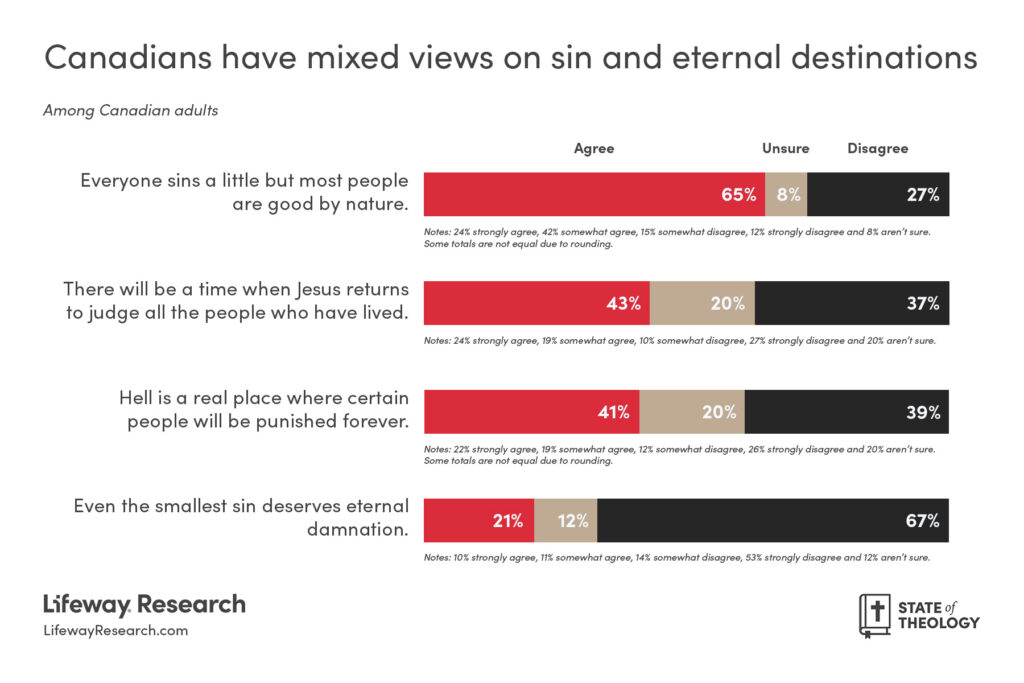
They are split over the existence of hell. Two in 5 (41 percent) believe hell is a real place where certain people will be punished forever. Slightly fewer (39 percent) disagree, and 20 percent aren’t sure.
Most Canadians believe eternal punishment would require major sins. Around 1 in 5 (21 percent) believe that even the smallest sin deserves eternal damnation. Two in 3 (67 percent) disagree, with 53 percent strongly disagreeing.
More than 2 in 5 Canadians (43 percent) say there will be a time when Jesus returns to judge all the people who have lived, while 37 percent disagree and 20 percent aren’t sure.
Canadians aren’t sure there’ll be a lot of people to judge harshly. Two in 3 (65 percent) say everyone sins a little but most people are good by nature.
As far as how to avoid hell and judgment, 40 percent believe only those who trust in Jesus alone as their Savior receive God’s gift of eternal salvation. Three in 5 (60 percent) disagree.
Similarly, 43 percent agree God counts a person as righteous not because of their works but only because of their faith in Jesus. More than 1 in 3 (36 percent) disagree.
“With only a small majority believing in a perfect or unchanging God, it is noteworthy that even fewer Canadians agree with the Bible’s teaching on how to become right with God and avert eternal punishment,” McConnell said.
The Bible and church
Canadians are unsure of the Bible’s truthfulness and the value of church attendance and membership, even for Christians.
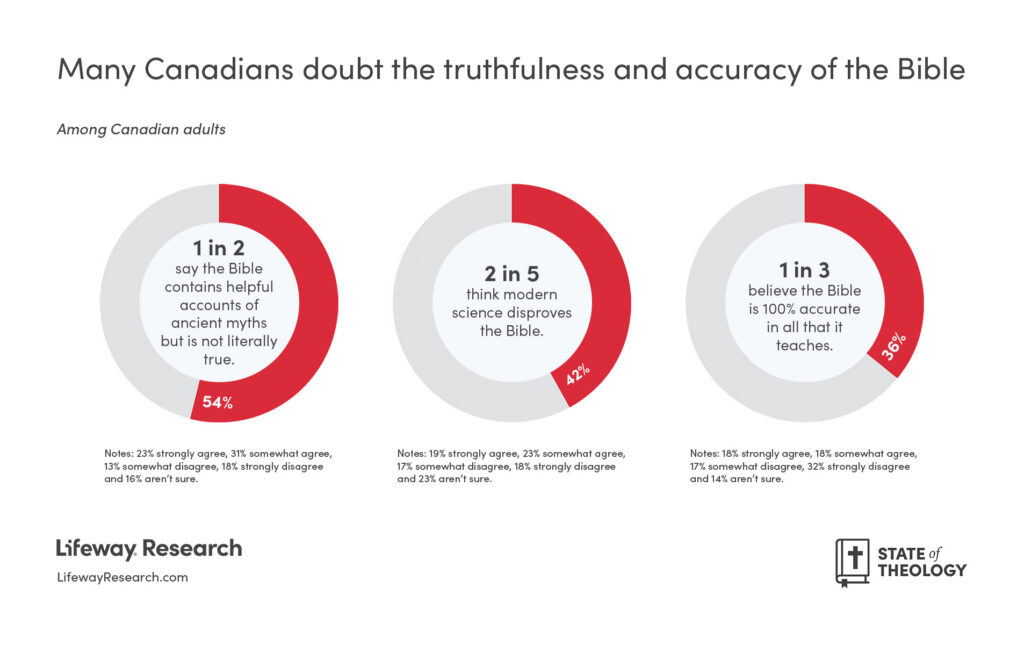
Most (54 percent) believe the Bible, like all sacred writings, contains helpful accounts of ancient myths but is not literally true, while 30 percent disagree. Two in 5 (42 percent) think modern science disproves the Bible. A third (35 percent) disagree.
On the other side, a third of Canadians (36 percent) say that the Bible is 100 percent accurate in all it teaches, while half (50 percent) disagree.
Most Canadians are fine with going alone in their worship practices. Three in 5 (61 percent) believe worshiping alone or with one’s family is a valid replacement for regularly attending church. Just 1 in 5 (21 percent) disagree.
Additionally, only 28 percent agree every Christian has an obligation to join a local church. Almost 3 in 5 (59 percent) disagree, with 37 percent strongly disagreeing.
“While more may be positive toward the Bible, around a third of Canadians defend the Bible by disagreeing with common criticisms of it. Even fewer stand up for the necessity of worshiping and finding community in a local Christian church,” said McConnell. “The general adult population in Canada has not heard a convincing explanation for why the Bible and the church are worth being devoted to.”
Cultural convictions
Canadians are split across varied cultural issues, including marriage, sex and gender.
Most (55 percent) believe God created marriage to be between one man and one woman, including 37 percent who strongly agree. Almost a third (32 percent) disagree, with 23 percent strongly disagreeing.
A third of Canadians (34 percent) agree that sex outside of traditional marriage is a sin. Most (57 percent) disagree, including 40 percent who strongly disagree. Similarly, 34 percent say abortion is a sin, while 55 percent disagree, with 39 percent who do so strongly.
Half (50 percent) believe the Bible’s condemnation of homosexual behavior doesn’t apply today, and 30 percent disagree. Also, 46 percent say people should be able to choose their gender regardless of their biological sex, while 42 percent disagree, including 29 percent who strongly disagree.
Compared to these cultural issues, Canadians are more united that Christians should leave their faith behind when they enter the political realm. Two in 3 (64 percent) believe Christians should not allow their religious beliefs to influence their political decisions.
“For most Canadians, the Bible’s teaching on how to live is only as convincing as the Bible itself. When half openly doubt the Bible, it is not surprising that the majority disagree with the Bible on how it says to live,” McConnell said.
A demographically balanced online panel was used for interviewing Canadian adults, with 3,005 surveys completed October 16-30, 2025. The sample provides 95 percent confidence that the sampling error from the online panel does not exceed plus or minus 1.9 percent. Margins of error are higher in sub-groups. Slight weights were used to balance gender, age, ethnicity, income, region and religion.
Evangelical beliefsare defined using the National Association of Evangelicals and Lifeway Research evangelical beliefs research definition based on respondents’ beliefs. Respondents are asked their level of agreement with four statements using a four-point, forced-choice scale (strongly agree, somewhat agree, somewhat disagree, strongly disagree). Those who strongly agree with all four statements are categorized as having evangelical beliefs:
The Bible is the highest authority for what I believe.
It is very important for me personally to encourage non-Christians to trust Jesus Christ as their Savior.
Jesus Christ’s death on the cross is the only sacrifice that could remove the penalty of my sin.
Only those who trust in Jesus Christ alone as their Savior receive God’s free gift of eternal salvation.
Holy Spirit reemphasis could change churches, rejuvenate evangelism, theologians say
NASHVILLE (BP) – After theology professor Gregg Allison taught about the Holy Spirit to a group of Southern Baptists, an older man approached him. The man said he had been a Southern Baptist 40 years and had not heard a single sermon or lesson on the Holy Spirit until that day. His conclusion: “I feel cheated.”
“I don’t know how common that kind of sentiment is,” said Allison, professor of Christian theology at Southern Baptist Theological Seminary. “But even as I teach at the seminary, it appears the students are not getting a lot on the Holy Spirit from their churches.”
That is a tragedy, Allison says. He wants Southern Baptists “to become more excited about and dependent on the Holy Spirit.”
Gregg Allison
Al Jackson, a retired Alabama pastor who emphasized the Holy Spirit in his ministry, agrees. “If I had one sermon to preach to Christians,” he said, “I’m probably going to preach from Ephesians 5:18-21 on how to be filled with the Spirit. It was such a radical life change for me.”
High church traditions like Eastern Orthodoxy, Anglicanism and Lutheranism spotlight the Holy Spirit annually on Pentecost Sunday—May 24 this year among churches in the western world. The observance falls 50 days after Easter and commemorates the Spirit’s descent on the church in Acts 2.
Southern Baptists should take note of Pentecost Sunday too, Allison says. It can remind ministers to preach and teach more on the Holy Spirit.
‘A divine person’
Christians have worshiped the third Person of the Trinity, along with the Father and the Son, since the church’s earliest days. In A.D. 381, the Council of Constantinople confessed belief “in the Holy Ghost, the Lord and Giver-of-Life, who proceeds from the Father, who with the Father and the Son together is worshipped and glorified, who spoke by the prophets.” Followers of Jesus maintained that belief through the medieval, Reformation and modern periods.
Al Jackson
Theology of the Holy Spirit took a new turn with the advent of Pentecostalism in the early 20th century. Pentecostals and some charismatics believe Christians can experience a “baptism of the Holy Spirit” subsequent to salvation that elevates them to new levels of spiritual power and faithfulness.
Southern Baptists reject that notion, along with many other evangelicals. Article II of The Baptist Faith and Message states, “At the moment of regeneration [the Holy Spirit] baptizes every believer into the Body of Christ.”
Yet “fear of being lumped together with charismatics and Pentecostals” has provoked some Southern Baptists to steer clear of teaching the full complement of blessings the Spirit desires to confer on all believers, said Jackson, retired pastor of Lakeview Baptist Church in Auburn, Ala.
Most Americans misunderstand biblical teaching on the Holy Spirit, according to Lifeway Research’s 2025 State of Theology report. More than half (57 percent) say the Holy Spirit is a force, not a personal being.
Despite the apparent dearth of teaching on the Spirit, there is much that Southern Baptists get right on this topic, said Allison and New Orleans Baptist Theological Seminary theology professor Adam Harwood. Churches stress the Spirit’s deity, His role in new spiritual birth and sanctification, His ministry of comfort to believers and His production of spiritual fruit in believers’ lives.
Biblical teachings about the Spirit that need more emphasis include:
Adam Harwood
The Spirit “is a divine person,” Allison said. “He is not a power. He is not an influence. He is not an it.”
The Spirit guides believers. As Paul did in Acts 16, contemporary believers should “depend on the Holy Spirit to move us around according to His will,” Allison said, noting the Spirit’s guidance occurs through Scripture, prayer and the wise counsel of others. The Spirit’s guidance always is consistent with the Bible.
The Holy Spirit illuminates Scripture, helping “us to understand and apply the truth of Scripture,” Allison said.
The Spirit “disturbs unbelievers, driving home that they are undone, they are not in a good place before God, they are in dire straits before God,” Allison said. “And that readies them to accept the Gospel through repentance and faith.”
The Spirit helps believers pray “by interceding before the Father according to His will,” Harwood said. “The truth that God’s Spirit helps us when we pray should bring us great comfort.”
“The same Holy Spirit who empowered Jesus also empowers us to live the Christian life,” Harwood said.
The Spirit “does not empower believers for their own benefit,” Harwood said. Rather, He empowers Christians “to be faithful witnesses of Jesus through God’s Word to all people.”
‘Fullness of the Spirit’
“The consequences of neglecting these biblical truths are that believers will fail to experience the Spirit-empowered and fruitful lives God intends for His children,” Harwood said. “Pastors and Christian leaders would do well to study and teach biblical truths about the person and work of the Holy Spirit.”
A more robust theology of the Holy Spirit would lead to practical differences in churches. It did for Jackson. He preached often at Lakeview on the person and work of the Holy Spirit, including a 20-part series on the gifts of the Holy Spirit. He recommends other pastors preach more on the Holy Spirit, which can occur naturally in a sermon series on Acts.
Allison suggested preaching through John to cover several major Bible passages on the Spirit. Worship services should include prayers for the Spirit to illumine the Word He inspired, and evangelism should be preceded by prayers for the Holy Spirit to convict nonbelievers and prepare them for the Gospel message.
A reemphasis on the Holy Spirit could rejuvenate evangelism among Southern Baptists, Jackson said, replacing mere pragmatism with spiritual power.
“The fullness of the Spirit results in a boldness in Gospel witness that often is not going to take place” otherwise, he said. A “gregarious, extroverted person” might talk about Jesus apart from the Spirit’s empowerment. But an introvert will not talk about Jesus unless he or she “is walking in the Spirit.”
Jackson knows firsthand that depending on the Holy Spirit works. He first asked the Holy Spirit to fill him as a college student more than 50 years ago, influenced by the teaching of Campus Crusade for Christ (now Cru). Since then, part of his daily confession of faith has been, “O Lord, I ask you to fill me with your Spirit. I do not ask because I am deserving but because I am weak and helpless and apart from you I can do nothing.”
“I began to walk in the Spirit in March 1967,” he said. “That’s been almost 60 years, and my life hasn’t been the same.”
Two micro-conferences at SBC Pastors’ Conference full, others filling up
ORLANDO (BP) – Judging by the response, a new feature to the Pastors’ Conference preceding the SBC Annual Meeting may become permanent.
President Aaron Burgner introduced micro-conferences with the intent of creating areas for ministry staff serving outside of the lead pastor. By all indications, he was on to something.
As of today (May 21), the micro-conferences for kids ministry and discipleship are full. Another for student ministers is at 80 percent capacity. More than 1,000 have signed up to attend the worship micro-conference.
“The response … has been overwhelming, and honestly, it confirms what we believed from the beginning – pastors don’t want to come alone,” Burgner said. “They want to bring their worship leaders, their discipleship teams, their student ministers and experience something together.
“The fact that the kids and discipleship breakouts are already sold out tells me the church is hungry to be equipped, and that is a beautiful thing.”
Chad Higgins, senior manager of Church Equipping for Lifeway Christian Resources, which is hosting the kids and discipleship micro-conferences, said the events “reflect the heart and mission of Southern Baptists.”
“Our prayer is that the information and inspiration shared during these sessions would spark lasting fruit in our churches for years to come – more people coming to know Christ and growing as His disciples,” Higgins said.
The Pastors’ Conference begins at 6:30 p.m. Sunday, June 7, ending at 9 p.m. The micro-conferences take place during the Monday morning and afternoon sessions as preaching continues in the main hall. A final session from 6:30-9 p.m. Monday night brings everyone back together.
Links to register for the worship and student ministry micro-conferences are available at SBCPC.net.
The worship micro-conference has the most space remaining, though that is expected to fill up quickly with main sessions featuring Robbie Seay, Matt Boswell and Shane & Shane. A reading for the interest in such a gathering could be seen at First Baptist Church in Jacksonville last month, when over 1,500 attended the Southern Baptist Church Music Conference.
“We take seriously what Southern Baptists tell us they need, and what they've told us consistently is that they want to leave the Annual Meeting better equipped for ministry,” said Jonathan Howe, SBC Executive Committee vice president for Convention Administration. “The micro-conferences were built around that request, and the response has been remarkable, with more than 2,000 total people registered across the four conferences.
“You don't generate numbers like that unless you've hit on something real. Southern Baptists are showing up for this because it is what they have been asking for.”
Burgner, senior pastor of Lakes Church in Lakeland, anticipates a great response to the planning put toward the Pastor’s Conference.
“I cannot wait to be in a room with pastors from across this country who love Jesus, love the church and love the lost,” he said. “We are going to preach the Word, worship together and walk out of Orlando reminded of why God called us. June 7-8 cannot get here fast enough.”
PLAINVIEW -- During its May meeting, the Baptist General Convention of Texas Executive Board heard reports concerning the relationship between Baylor University and the convention, as well as budgetary concerns expected to have a significant impact within the next couple of years.
Wayland Baptist University in Plainview hosted the meeting.
BGCT Executive Director Julio Guarneri called Texas Baptists to a “convictional commitment in challenging times,” framing his scheduled remarks within Isaiah’s call recorded in Isaiah 6:1-13. God called Isaiah during challenging and uncertain times, just as God is calling Texas Baptists now, Guarneri said.
Baylor relationship
“Speaking of challenging times, there has been much … said about the BGCT’s relationship with Baylor University recently.Two student-led events on the Baylor campus April 22 caused much controversy and have brought to the forefront the relationship between the BGCT and Baylor,” Guarneri said.
In an April 17 advisory, Guarneri stated, “I will ask the directors attending our upcoming May Executive Board meeting to initiate a study of our relationship with Baylor through our Institutional Relations Committee.”
Though a motion during the 2025 BGCT annual meeting to evaluate the relationship between Baylor and the BGCT narrowly failed, “the BGCT Executive Board and Baylor leadership have the freedom to have voluntary conversations that may result in future changes and recommendations to the respective governing bodies” of the two entities, Guarneri said.
The Institutional Relations Committee took up this request in an executive session during its meeting Monday afternoon, May 18. Dustin Slaton, chair of the Institutional Relations Committee and pastor of First Baptist Church in Round Rock, gave a brief report to the full Executive Board Tuesday morning, May 19.
“The committee reviewed a list of items that are being considered in regard to a potential change in the relationship between BGCT and Baylor,” Guarneri said. Stating changes may include funding and regent election, “it is too early now to share details, but we will keep you informed as the conversations advance,” he added.
Institutional Relations Committee report
“Many of us have been in conversation for a while about the relationship with Baylor,” Slaton said, noting the Institutional Relations Committee discussed the relationship in an executive session during the Executive Board’s February meeting in Dallas, “long before the Turning Point and All Are Neighbors events on [the Baylor] campus on April 22.”
“It’s important for all Texas Baptists to know this look at the relationship with Baylor is not reactionary to the April events or any specific event, but something that we have already been considering,” Slaton said.
Institutional Relations Committee members heard from Baylor President Linda Livingstone during the May 18 executive session, Slaton reported.
“I believe she clarified, and those of us representing our convention also clarified for ourselves, that Baylor and Texas Baptists both share a foundational biblical commitment to Gospel mission,” he said.
Unlike the churches making up the BGCT, “Baylor is not a church,” Slaton continued. “It is a top-tier university, and there will be times when, in their commitment to creating an atmosphere of open dialogue and learning, they are going to have events that would not be appropriate for a Baptist church setting. And that creates a tension point between Baylor, the BGCT, and our member churches.”
Guarneri and Slaton pointed out Baylor holds its position on sexuality and other issues within the framework of academic freedom. As such, Livingstone told the committee Baylor’s positions were applied consistently to both the TPUSA and All Are Neighbors events.
During its executive session, the Institutional Relations Committee voted “to ask Dr. Guarneri to work with Dr. Livingstone and others to conduct a nonbinding review of the relationship agreement between Baylor and the BGCT.”
Guarneri and Livingstone were asked to share their progress with the committee at the September Executive Board meeting, though there is not “a hard deadline” for completing this review, Slaton said. “Our hope is that we can bring something to the board in September and the messengers in November,” he added.
“I want to thank Dr. Guarneri and Dr. Livingstone for being proactive in this conversation. They were already discussing this before April. The events on Baylor’s campus merely demonstrated why this is needed at this time,” Slaton concluded.
When asked for clarification on any intent by Baylor to change its position on human sexuality, which “affirms the biblical understanding of sexuality as a gift from God,” Slaton stated Livingstone confirmed Baylor’s “view on gender and sexuality is not changing, has not changed, and does not plan to be changed.”
Budget concerns
Guarneri and BGCT Treasurer and CFO Ward Hayes discussed the need to right-size the BGCT’s budget in response to the long-term downward trend in Cooperative Program giving.
“Though this trend of church giving decline has been true for about 20 years, its cumulative effect on our ability to do ministry needs to be addressed now,” Guarneri said.
“BGCT is not in financial trouble today. Good stewardship has been exercised to date. However, if we don’t take the necessary measures, we could potentially be in financial trouble in the future,” Guarneri continued.
Hayes reported the BGCT is in a strong financial position, with Cooperative Program receipts at 98 percent of prior year as of the end of April, down slightly from 99 percent in March.
Repeating what he reported to the Executive Board in February, Hayes pointed to a steady decline in Cooperative Program receipts from 2015 through 2025. The average year-over-year decline has been about 2 percent, or $500,000. The total decline over the 10-year period is 17 percent, or about $5 million – $30.2 million in 2015 to $25.3 million in 2025.
Cooperative Program receipts increased slightly in 2022, leading the BGCT to adopt an increased budget. However, the downward trend in Cooperative Program giving returned in 2023 and continued through 2025, creating a gap between budget and receipts and a need to right-size the budget.
The BGCT’s 2025 Cooperative Program budget was $27,795,750. Receipts were $25,306,588, a gap of $2,489,162. Investment income in excess of budget and expenses under budget brought the net deficit to $842,888 in 2025. By contrast, the net deficit in 2026 could be as much as $3.6 million to $4.1 million, Hayes reported.
Hayes attributed Cooperative Program declines in part to “attrition” of churches, or churches that have stopped or suspended their Cooperative Program giving to the BGCT, saying this has had a significant impact.
While some churches have decreased their Cooperative Program giving, other churches have increased their giving, Hayes said. Additionally, endowment income and designated giving have increased. The bulk of designated giving supports Baptist Student Ministry staff. In 2015, there were 75 BSM staff; in 2025, there were 160 serving more than 135 campuses across Texas.
LOUISVILLE, Ky. (BP) – Southern Baptist Theological Seminary President Albert Mohler announced his intention today (May 18) to propose an amendment to Article III of the SBC Constitution that, he said, “would make clear” how cooperating Southern Baptist churches will view the role of women in the office of pastor/elder/overseer.
Such churches, Mohler said, would not “act to affirm, appoint or endorse a woman serving in the office or function of a pastor/elder/overseer, such as preaching to the assembled congregation.” He further announced his intention to move that Standing Rule 6 be suspended so that the Committee on Order of Business would schedule discussion for the motion at next month’s meeting in Orlando.
Standing Rule 6 states that all motions to amend the SBC’s governing documents shall be automatically referred to the Executive Committee for review and reported back to the following convention. Suspending the rule essentially moves up debate by a year.
“I believe the need for this is made abundantly clear,” Mohler said. “Frankly, that need has been building in recent years, and the Southern Baptist Convention has always risen to the occasion and met the need of this kind of challenge with a statement of conviction.”
The announcement comes amid continuing debate over churches’ placement of women with titles or in roles that include actions and/or responsibilities typically associated with a pastor/elder/overseer.
Both announced SBC presidential candidates endorsed Mohler’s proposal.
“Southern Baptists have been clear: ‘the office of pastor/elder/overseer is limited to men as qualified by Scripture,’” wrote South Carolina pastor Josh Powell in a re-post of Mohler’s announcement on X. “I have supported & continued to support any effort to make our Constitution equally clear.”
Florida pastor Willy Rice issued a nearly three-minute-long video of his thoughts in support of Mohler as well. At the same time, he continued supporting his call for a task force to study the issue and bring recommendations.
“Baptist people can, and should, do two things at once – two things that are not inconsistent at all,” he said. “We should affirm the unique biblical office of pastor/elder/overseer and the qualifications given in Scripture for that office and … affirm the work of women in vocational ministry in ways that are not inconsistent with that understanding of pastoral office.”
Rice also cited the “high threshold” for a constitutional amendment – two-thirds affirmative vote in two consecutive years – versus the single majority vote to approve a task force. Previous attempts to amend the constitution, informally known as the Law Amendment, reached the two-thirds mark in New Orleans in 2023, but failed to do so the following year in Indianapolis. Another vote last year in Dallas came after Standing Rule 6 was suspended, but the amendment once again did not reach the two-thirds threshold.
Numerous Southern Baptist leaders, including SBC President Clint Pressley, voiced support for Mohler’s amendment announcement.
To make his point, Mohler referred to actions the SBC took over another previous debate among churches, and the continued impact of those steps.
“A generation ago, the SBC took this kind of action in the Constitution by making very clear that our cooperation is not extended to those who would endorse or affirm LGBTQ lifestyles and activities,” he said. “That has clarified the SBC’s conviction. It has created even deeper unity in the truth. And that kind of language in the Constitution has served the SBC very, very well.
“One of the greatest testimonies to that is this is not an issue of open debate at the SBC year by year, and it hasn’t been for a generation. That’s exactly what we need on the issue of the office of pastor.”
The business portion of the SBC Annual Meeting takes place on June 9-10. Opportunities to present new motions are scheduled for 9:35 a.m. and 3:45 p.m. on Tuesday, with the Committee on Order of Business delivering its report regarding those motions at 5:15 p.m. on Tuesday and 8:15 a.m. Wednesday. Should Standing Rule 6 be suspended and Mohler’s amendment be received, debate would take place on Wednesday, either at 8:45 a.m. or 4 p.m.
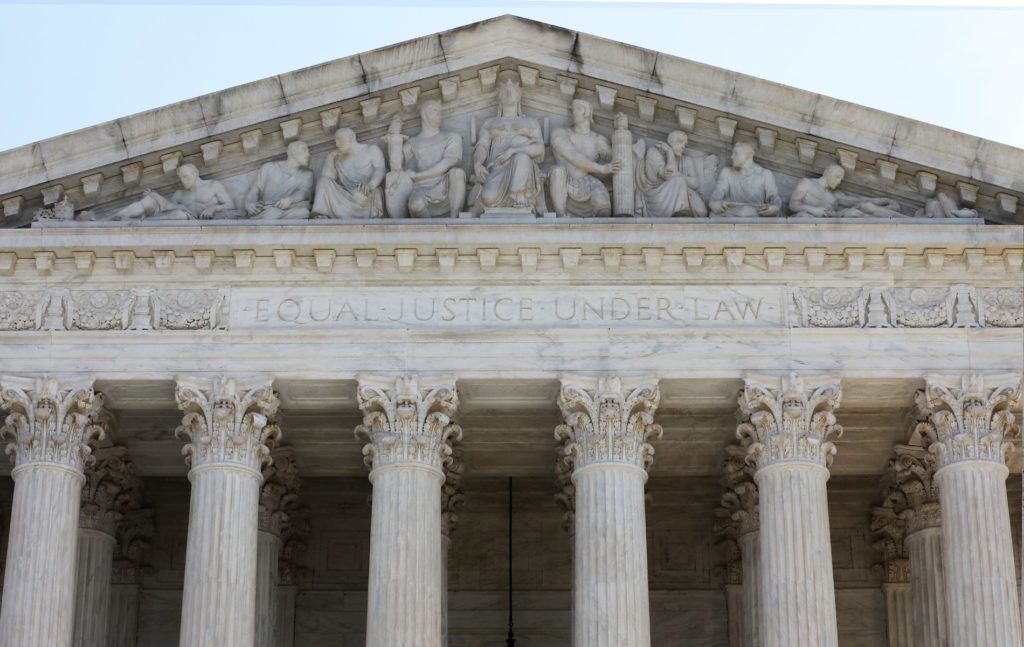
WASHINGTON (BP) – Telehealth and mail-order abortion pill prescriptions remain accessible as a case challenging the medication works its way through lower courts, the U.S. Supreme Court ruled May 14th.
The high court extended its earlier stay of a Fifth Circuit Court of Appeals ruling that had required in-person doctor’s appointments expressly in Louisiana and Texas – but effectively nationwide – for mifepristone prescriptions.
The Southern Baptist Ethics & Religious Liberty Commission, which has advocated extensively for protections of unborn life, expressed sadness upon the high court’s announcement Thursday evening.
"We are heartbroken by the immediate ramifications of this decision, which will result in direct harm to women and countless preborn lives lost nationwide,” the ERLC said in response to the ruling. “In Louisiana alone, the state estimates 1,000 preborn lives are lost each month to these pills. In the U.S., 1 in 10 women taking mifepristone each year experience serious, often life-threatening, adverse complications, harming women at a rate of over 22 times the reported rate for mifepristone.”
Medication abortion is the most prevalent mode of ending unborn life in the nation since the high court overturned Roe v. Wade.
“This unfortunate decision means that while legal proceedings are underway in the Fifth Circuit, the lower court’s decision does not hold,” ERLC lamented. “Abortion drug providers can continue sending mifepristone into pro-life states, defying the laws of those states, circumventing an in-person consultation with a provider, and putting thousands of women and babies at risk.”
Associate justices Samuel Alito and Clarence Thomas dissented in the ruling issued at the close of the court’s day without explanation, granting the request from drug manufacturers who challenged the Fifth Circuit ruling.
“The May 1, 2026 order of the United States Court of Appeals for the Fifth Circuit, case No. 26–30203, is stayed pending disposition of the appeal in the United States Court of Appeals for the Fifth Circuit and disposition of a petition for a writ of certiorari, if such a writ is timely sought,” the high court wrote. “Should certiorari be denied, this stay shall terminate automatically. In the event certiorari is granted, the stay shall terminate upon the sending down of the judgment of this Court.”
In his dissent, Alito said the stay undermines states’ rights to protect unborn life.
“The Court’s unreasoned order granting stays in this case is remarkable. What is at stake is the perpetration of a scheme to undermine our decision in Dobbs v. Jackson Women’s Health Organization, 597 U. S. 215 (2022), which restored the right of each State to decide how to regulate abortions within its borders,” Alito wrote. “Some States responded to Dobbs by making it even easier to obtain an abortion than it was before, and that is their prerogative. Other States, including Louisiana, made abortion illegal except in narrow circumstances. … But Louisiana’s efforts have been thwarted by certain medical providers, private organizations, and States that abhor laws like Louisiana’s and seek to undermine their enforcement.”
Louisiana and Texas are among 17 states where abortion is illegal in most circumstances. In the case at hand, the states are challenging the 2023 loosened guidelines for mifepristone prescriptions that allow virtual office visits and mail order delivery. In states where unborn life is protected, telehealth provision for abortion pills increased from 74,000 in 2024 to 91,000 in 2025, the Guttmacher Institute said in an annual report.
Among states continuing to curtail mifepristone use, Oklahoma Gov. Kevin Stitt signed a bill May 7th making it a felony to provide abortion pills without a prescription, carrying 10-year prison terms and fines of up to $100,000, according to House Bill 1168. The new law, set to take effect in mid-August, does not restrict pharmacists, drug manufacturers, or legal distributors from dispensing the pills for lawful medical purposes.
IMB trustees appoint 71 missionaries, look toward deep investment in Great Commission task
RICHMOND, Va. – International Mission Board trustees appointed 71 fully supported missionaries during their May 13-14 meeting near Richmond. Missionaries approved for appointment will be recognized during a Sending Celebration Tuesday, June 9, at 10:30 a.m. EDT during the 2026 SBC Annual Meeting in Orlando. The event will be livestreamed on sbcannualmeeting.net.
John McCullough, trustee from Texas, called Thursday’s plenary session to order and opened in prayer.
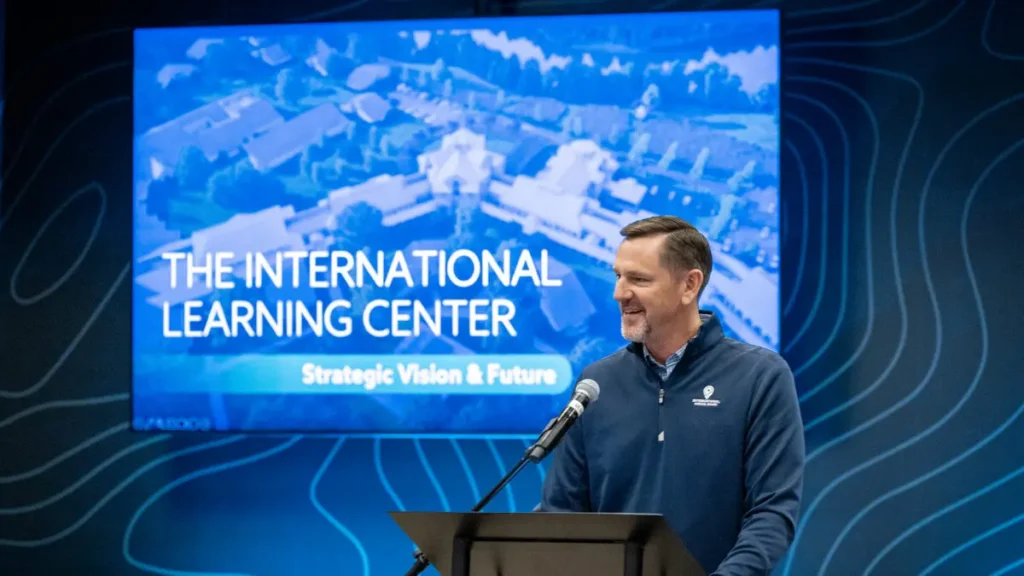
McCullough recognized guests Tony Wolfe, executive director-treasurer of the South Carolina Baptist Convention, and Jon Jeffries of Woman’s Missionary Union. Wolfe presented a check for $1 million to IMB President Paul Chitwood to be used for renovation of missionary housing at the International Learning Center, the IMB’s campus in Rockville, Va., where new missionaries are trained and where missionaries return during stateside assignments.
“The decision is one of the easiest we’ve made,” Wolfe said of the vote to give the large gift to the IMB.
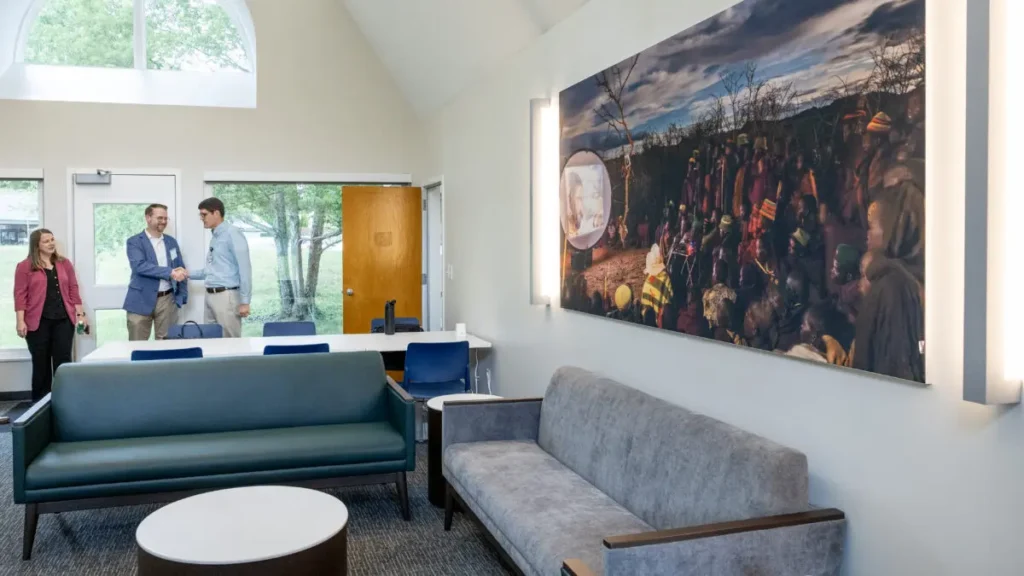
Tony Wolfe, executive director-treasurer of the South Carolina Baptist Convention, tours a missionary housing unit with his wife Vanessa. Allen Hawkins (right), former missionary from South Carolina, is leading upcoming renovations at the International Learning Center. On behalf of South Carolina Baptists, Wolfe presented a check for $1 million to the IMB to be used for upgrades to missionary housing at ILC. IMB Photo
“South Carolina is a sending state,” he continued. “We have full confidence in the IMB’s vision, leadership and missional strategies. We’re honored to invest in future Southern Baptist missionaries and their families in this way.”
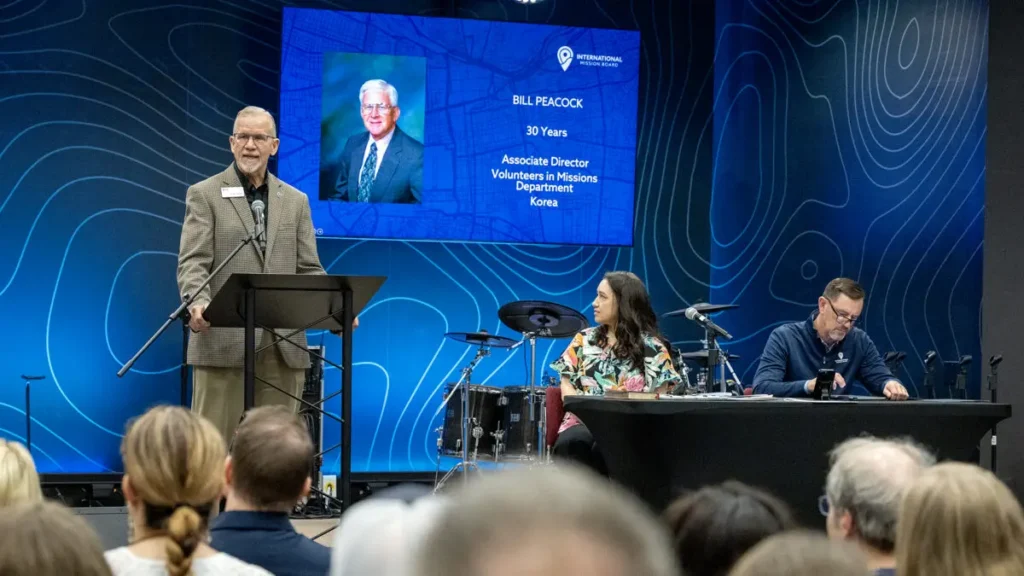
Thursday’s plenary session concluded the two-day gathering of trustees during which the board elected officers, met in standing committees, recognized trustees completing terms of service, and honored retired staff and missionaries who died in 2025.
President’s report
IMB President Paul Chitwood drew attention to celebrations and highlights as he recognized the 181-year legacy of the IMB. Chitwood celebrated points of impact presented to the trustees in the newly released Annual Statistical Report.
“With the public release today of IMB’s Annual Statistical Report,” Chitwood said, “we celebrate the reach of every Southern Baptist church that partners with IMB in praying, giving, sending and going.”
For the ministry year 2025, the overseas missionary work of Southern Baptists resulted in the following:
Gospel witness to more than 2 million people spread across 1,815 people groups.
More than 1.3 million of those Gospel shares were among unreached people groups.
196,497 professed faith in Christ.
31 people groups moved from unengaged to engaged.
7,697 new churches were planted, the biblical faithfulness of which is being measured against the 12 Characteristics of a Healthy Church, described in IMB’s Foundations document.
More than 88,000 people were trained in evangelism.
68,000 disciples received leadership training.
The full 2025 ASR is available on the IMB website.
“Work as expansive and impactful as the work that Southern Baptists steward through their IMB takes resources,” Chitwood said. “While we still have a long way to go in meeting our annual revenue goals, we celebrate that Southern Baptists’ generosity this year is keeping us just ahead of last year’s giving.”
The 2026-27 slate of IMB trustee officers includes Glenn Steen, first vice chair, Carol Pfeiffer, chair, Sacha Hasenyager, recording secretary, and Willie Smith, second vice chair (not pictured). IMB Photo
While acknowledging the financial health of the IMB, Chitwood noted the ongoing impact of inflation and the decline of Cooperative Program giving that keeps the company looking at greater efficiency and more effective ways to communicate opportunities for churches and individuals to offer financial support.
“Regarding efficiency, I’m pleased to report that since I began as IMB president in 2018, we have increased spending on the U.S. side of our operations only 0.6 percent,” Chitwood told the board.
“When accounting for the impact of inflation, that means we have reduced administrative support spending by 30 percent over the past seven years. During that same time period, we have increased overseas spending by 30.5 percent, which means we have protected our overseas work from the impact of inflation.”
Chitwood referred to a report given to trustees by Don Barger, IMB director of innovation and artificial intelligence. Barger’s report included how the IMB is building AI tools to extend the reach and impact of missionaries.
Four tools available to the public include:
FaithBot.io – a Gospel sharing tool available in more than 40 languages;
Engage Lostness – a tool for sharing personal faith with people who hold a different worldview;
Bible Pics – which illustrates Bible passages and Bible studies;
Missions Games – a teaching tool to help people of all ages learn about missions.
Chitwood emphasized that AI tools are not a replacement for missionaries. “Our AI tools are built on a theological framework consistent with the Baptist Faith and Message and are designed to be used ethically and responsibly,” he said.
During the May 2026 trustee meeting, Todd Lafferty, IMB executive vice president, recognized retired missionaries and staff who passed away in 2025. IMB Photo
The president also highlighted estate giving, a topic explained to trustees by Chris Kennedy, IMB’s chief advancement officer. Chitwood said the IMB encourages every Southern Baptist to consider estate planning.
“Thoughtful and timely estate planning can set in motion one final act of stewardship that extends our Gospel witness beyond our lifetime and helps sustain a missionary presence among the nations,” Chitwood said. “When you choose to remember the IMB in your estate plans, you ensure that the most important work in the universe, the work of getting the Gospel to those who have yet to hear, can continue on even after your race has been run.”
Anyone with interest in discussing gift planning options can contact IMB team members at [email protected].
Chitwood turned attention to global engagement strategies and the continuing growth and shifts needed to reach the lost amidst current world trends.
“We began a process two years ago of our field leaders examining the global harvest fields to find any gaps in our work or any opportunities for greater effectiveness,” Chitwood reported. “That process now has us surveying more than 1,000 of our overseas missionaries to get their perspective. We’re simply asking the question: Are our structures and strategies keeping up with growing lostness around the world?”
Chitwood participated in a similar effort nearly 20 years ago, when he served as IMB trustee chair. Since that time, world population has grown by close to 2 billion people and seen increasing migration of people groups. The IMB has significantly increased a focus on the remaining unengaged, unreached people groups.
Chitwood said, “A review of our structures, to ensure we are best positioned to have the maximum impact possible upon the global harvest fields, is in order. To be clear, this process is ultimately about one thing – getting the Gospel to the lost.”
Foundational commitments, theology and missiology that guides IMB’s work remains firmly in place, according to Chitwood. These commitments are detailed in IMB’s Foundations document.
“The Core Missionary Task remains IMB’s core task,” Chitwood said.
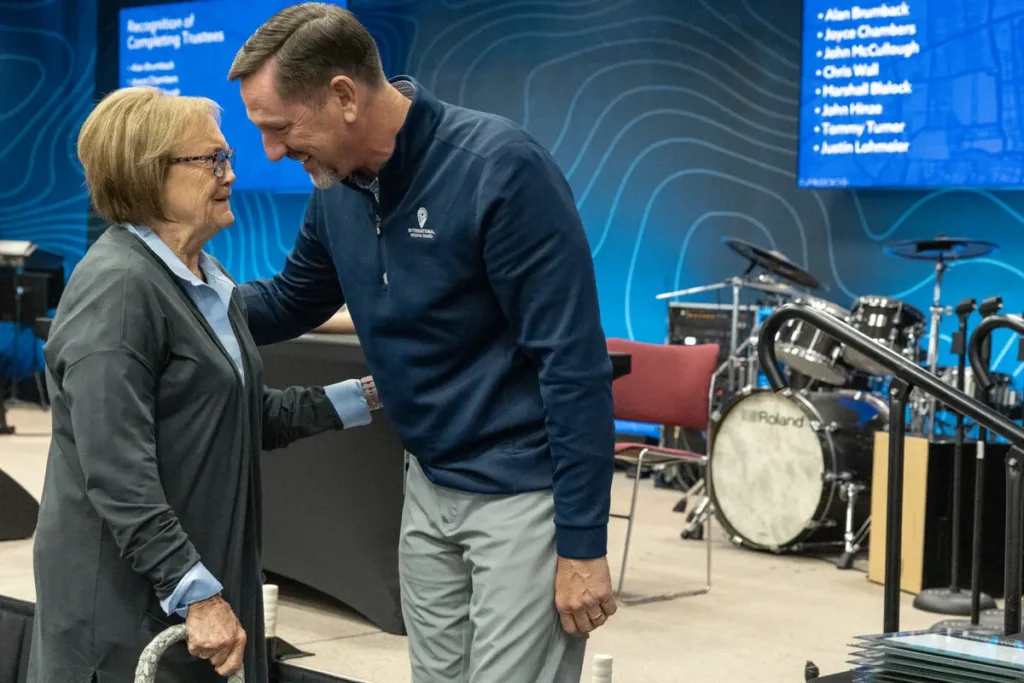
Paul Chitwood, IMB president, thanks Joyce Chambers for her commitment to missions. Chambers, from Georgia, concluded her service as IMB trustee with the May 2026 meeting. IMB Photo
He concluded his report with an overview of upcoming renovations at the International Learning Center, affirmed by trustees.
“For nearly half a century, this campus has been a tremendous resource for preparing missionaries heading to their overseas fields of service and receiving them back upon their return,” Chitwood said. “For Southern Baptists, this is holy ground. And it is ours to steward. That stewardship demands a renewed investment, and we have the privilege of making it.”
Phase 1 of the investment will include renovations and updates to missionary housing, as well as the construction of a pavilion in each of three housing villages. Phase 2 will be an updated and expanded child education center and the construction and relocation of IMB's warehouse operations from Richmond to the ILC campus.
Chitwood reported that the combined estimated cost of the two phases is $23.8 million.
“Already, many of our state convention partners have committed to assist with the funding of missionary housing renovation, pledging gifts of more than $4 million with several more states considering the opportunity,” he said. “With today’s gift, Tony Wolfe and the South Carolina Baptist Convention is leading the way with the most generous gift to date. I look forward to seeing how others will be inspired by the generosity of South Carolina Baptists.”
Continued business
Chitwood and trustee chair Carol Pfeiffer thanked trustees completing their terms of service. Trustees recognized included: Marshall Blalock, South Carolina; Alan Brumback, Florida; Joyce Chambers, Georgia; John Hinze, New Mexico; Justin Lohmeier, Mississippi; John McCullough, Texas; Tommy Turner, Texas; and Chris Wall, Oklahoma.
Three trustee officers were elected for a second term, with one new officer joining the slate. Glenn Steen of South Carolina was elected as first vice chair. Returning officers, voted to a second term, include Carol Pfeiffer of Texas as chair, Willie Smith of Oklahoma as second vice chair, and Sacha Hasenyager of Montana as recording secretary.
Thursday’s meeting included reports from standing committees: Administration, Global Engagement, Human Resources, Global Business Services and U.S Engagement.
In memoriam
IMB Executive Vice President Todd Lafferty led a time of remembrance for the lives of emeritus and active colleagues who died in 2025. Two field personnel and one missionary kid passed away last year. For security reasons, they were not publicly named.
Seventy-five retired missionaries were remembered in the tribute. Their years of service totaled 2,093, with an average of 28 years. The average age at time of death was 88 years.
Among others who served faithfully, the following were recognized as having served for 35 or more years: Joyce Wyatt, age 97, served in Colombia, Chile and Spain for 40 years; Ruth Harris, age 101, served in Bermuda for 39 years; Rose Mary Register, age 86, served in Israel for 38 years; Will and Frances Marie Roberts, both age 90, served in Tanzania for 38 years; Evelyn Moss, age 93, served in Kenya, Zimbabwe, Zambia, and Malawi for 37 years; Les Hill, age 93, served in the Philippines and Singapore for 37 years; Sharon Peddicord, age 75, served in Brazil for 37 years; Nettie Gammage, age 96, served 36 years in Korea and the Philippines for 36 years; Jerry Stanley Key, age 92, served in Brazil for 36 years; Pratt Dean, age 91, served in Japan for 36 years; Hubert Fox, age 92, served in Thailand for 35 years; Sistie Givens Riley, age 93, served in Brazil for 35 years; Mary Swedenburg, age 82, served in Japan for 35 years; Ed Jolley, age 95, served in Argentina for 35 years; and Joyce Watson, age 91, served in the Philippines for 35 years.
Twelve retired staff whose lives were remembered included: Keith Parks, who served for 38 years in Indonesia and as IMB president; Lloyd Atkinson, who served for 31 years in Chile and as vice president for the office of mission personnel; Bob Shoemake, who served for 33 years as associate vice president for stateside logistics; Robert Ethridge who served for 11 years as associate vice president for communications strategy and marketing; Ritchie Lipscomb, who served for 47 years in receipts and disbursements; Judi Bell, who served for 33 years in event coordination; Bill Peacock, who served for 30 years in Korea and in volunteers in missions; Pat Moneymaker, who served for 27 years in development; Ann Markey, who served for 25 years in personnel selection; Shirley Norris, who served for 23 years in the IMB resource center; Carolyn Price, who served 19 years in global research; and Jeannette Stone, who served for 16 years in student and candidate guidance.
Chris Wall closed the meeting in prayer. The next trustee meeting will be Sept. 16-17 in Virginia.